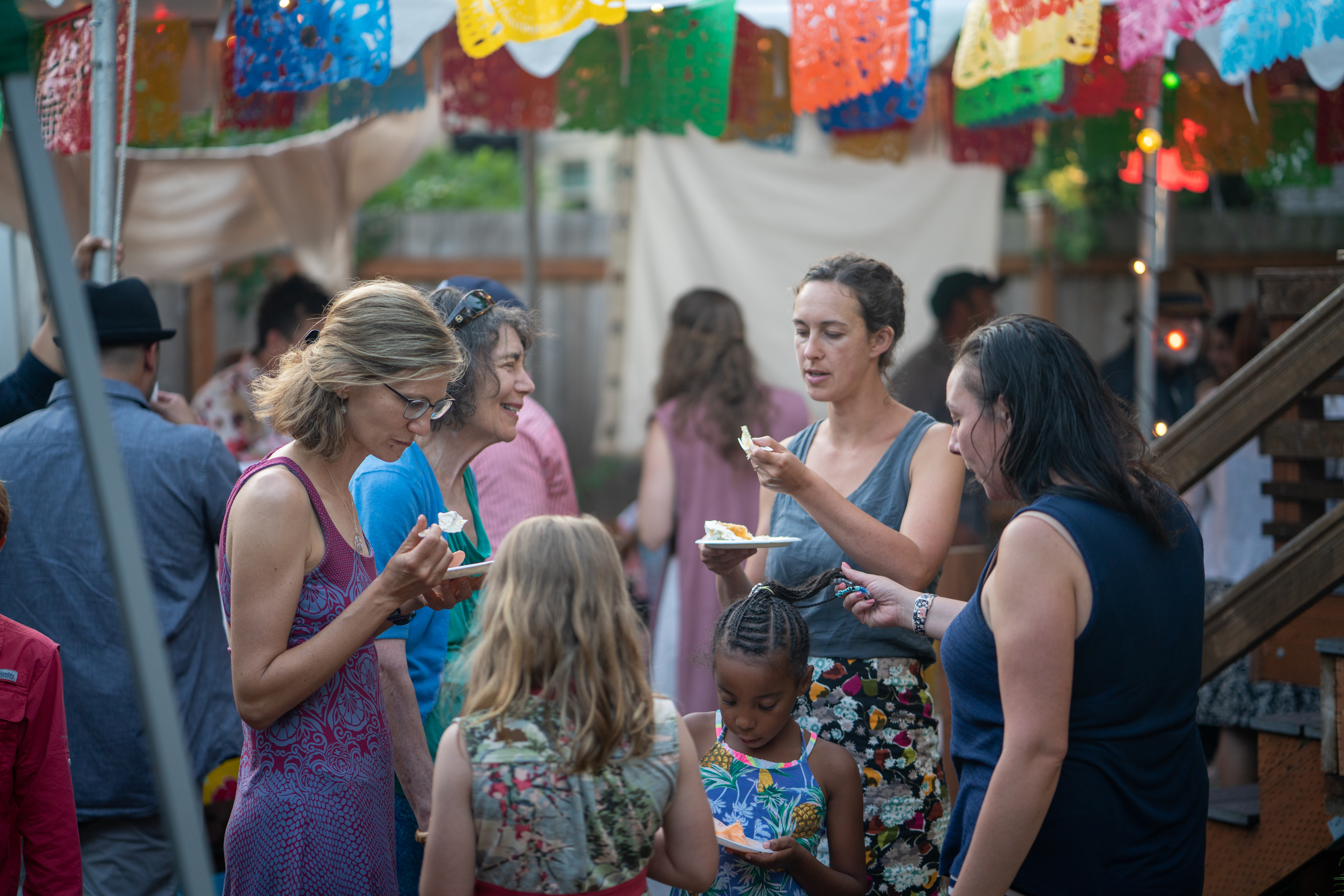
It’s time. Time to pack some bags. To head West. To have a moment to breath. Time for family. Time for fun.
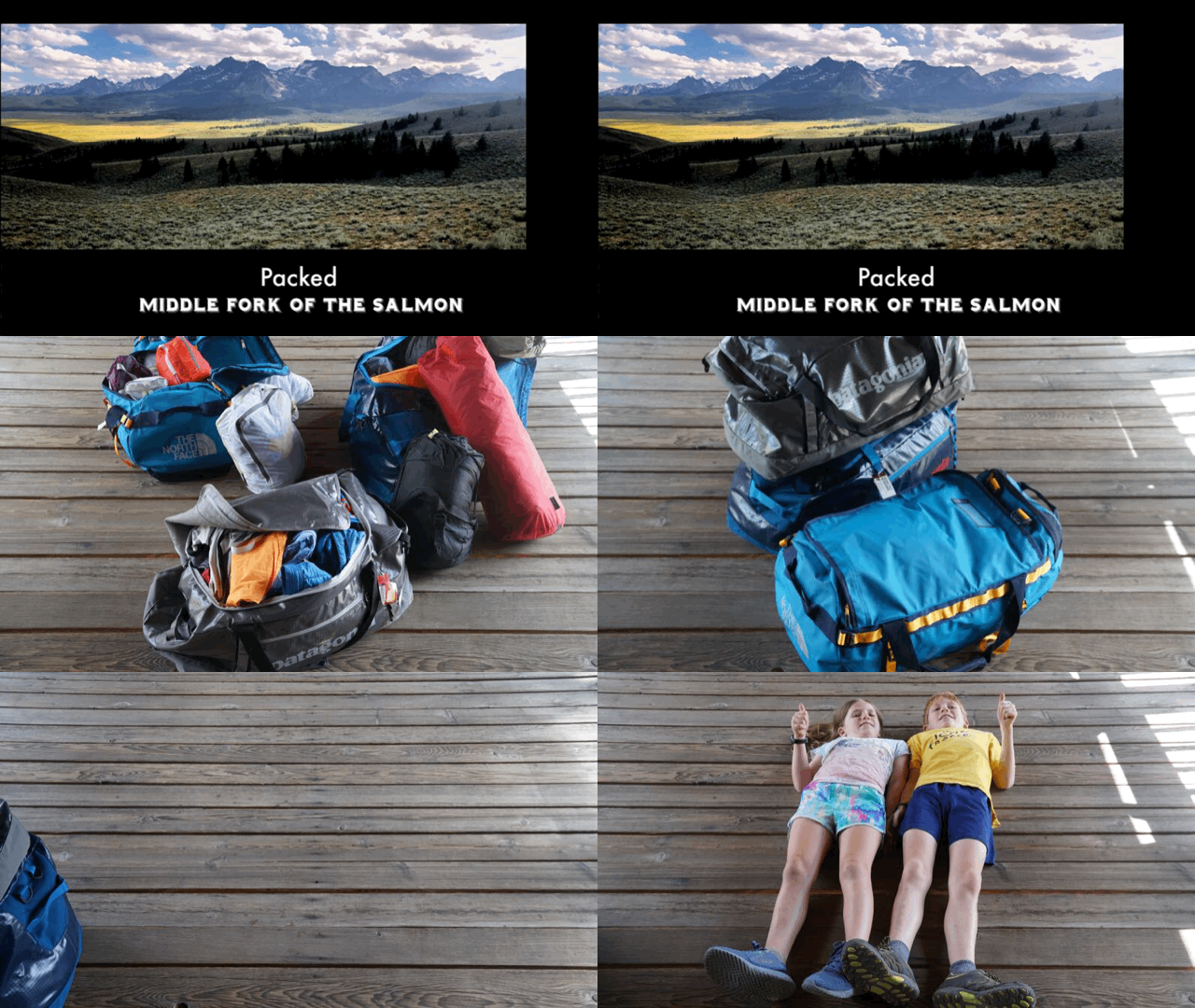
This is our second adventure on the Middle Fork of the Salmon River with ARTA. Three years later which seems a lifetime when half our family has only been around for a decade.
1. Anticipation
Some say that anticipation of a trip can exceed in enjoyment the actual experience. Who knows if this is true, but certainly getting ready for a trip is a part of the overall fun.
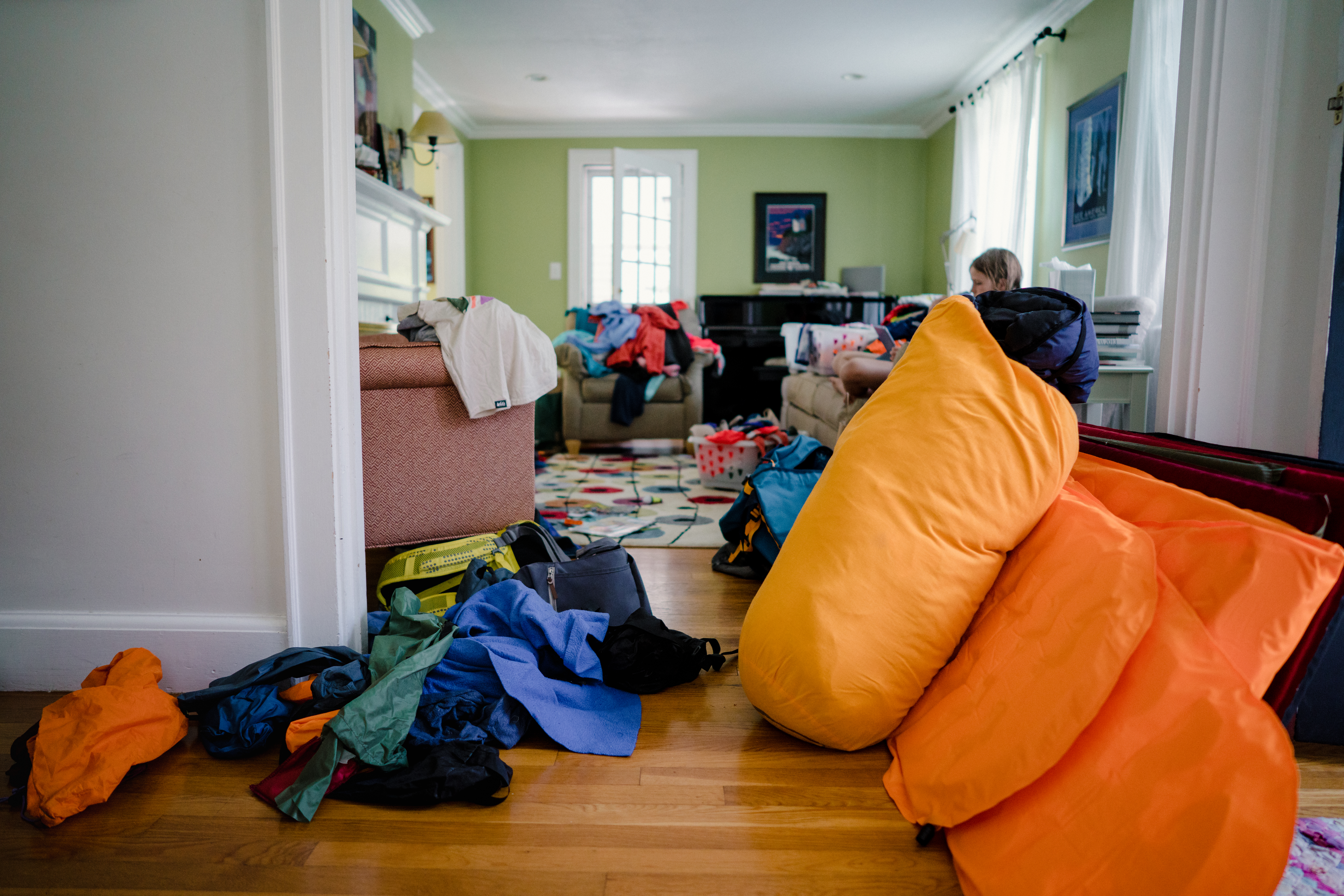
Packing means reacquainting ourselves with the sleeping bags, air mattresses, tent and stuff sacks. We camp infrequently enough that it takes a mild effort to ensure we’re bringing the right things and everything still works. More challenging is trying to get clothing right. We’re packing for being wet and cold (will the weather really be in the 40s at night?) and for being hot (last time we were on this trip it was 90+ in the shade). Our packing technique involves various packing cubes, a lot of laundry baskets and the whole house.
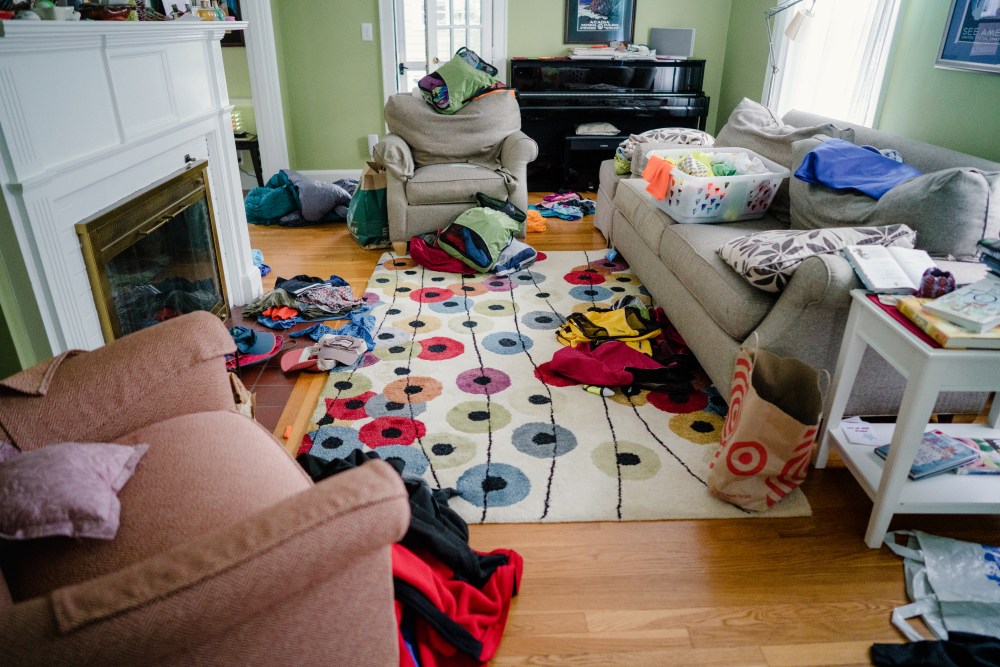
Packing perfection is the goal given the flights and planned post-river adventures and means every article will be needed at least once. It ends up becoming a bit of the hokey pokey as you put one shirt in, you take one shirt out, add another swimsuit and turn yourself around. And eventually, it all has to fit in as few bags as possible.
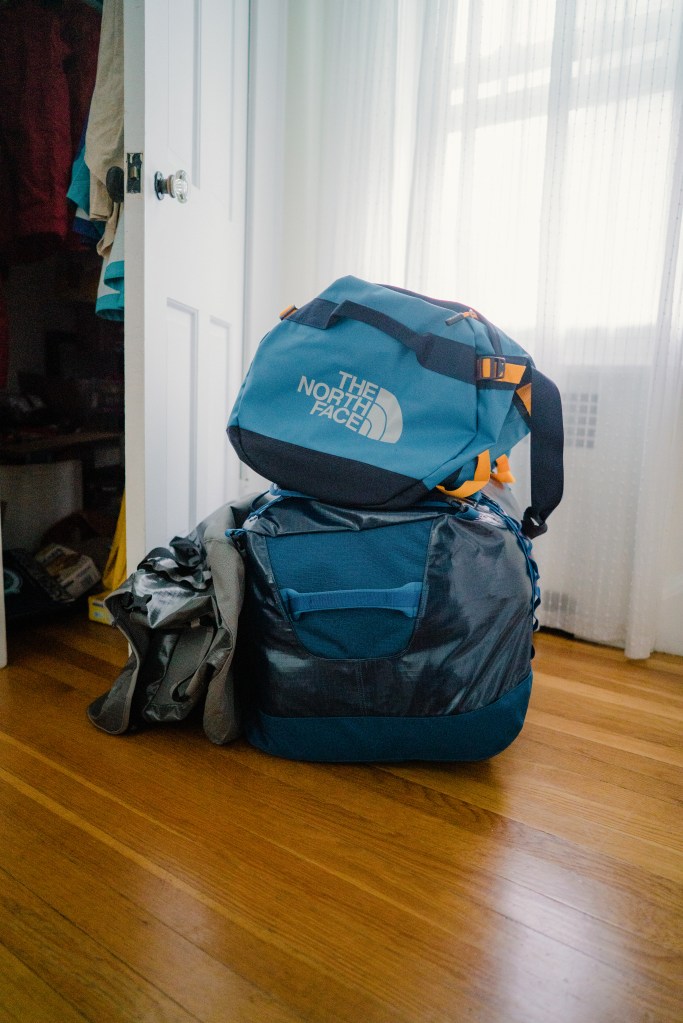
As usual, we end up with lots of sun protection clothing, hats, fleece and swimwear. Kindles solve the problem of books for all. Card games are in this year. We know what river trips are like – and even what this river trip is like – but there is a certain feeling of free fall as you zip that last duffel and head to the airport.
2. Getting There
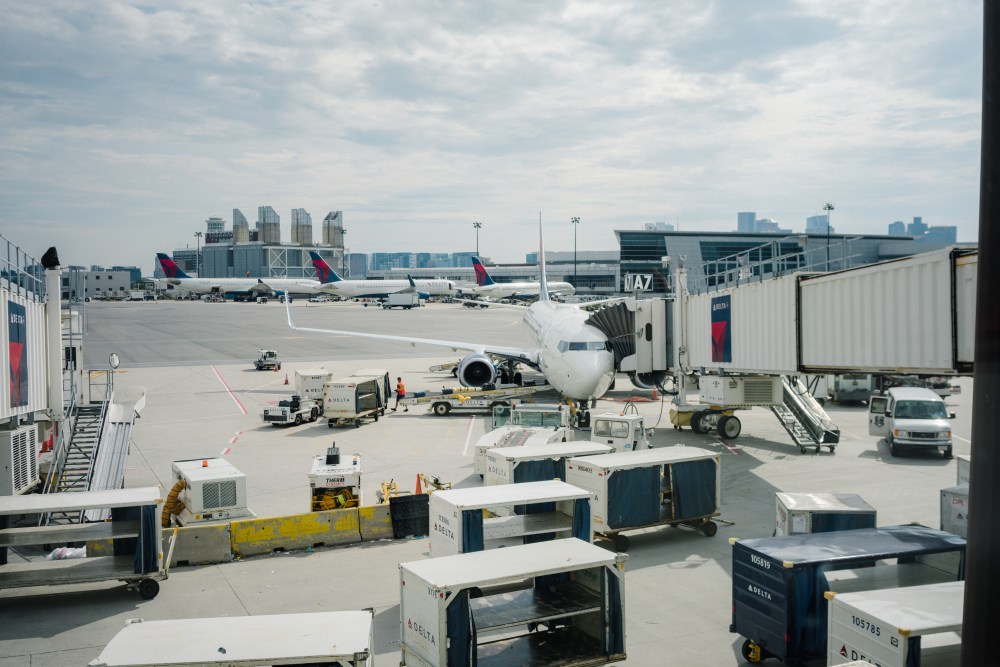
Lyft. Airport. Bag drop. Security. Wendy’s fries. Salt Lake City. Boise.
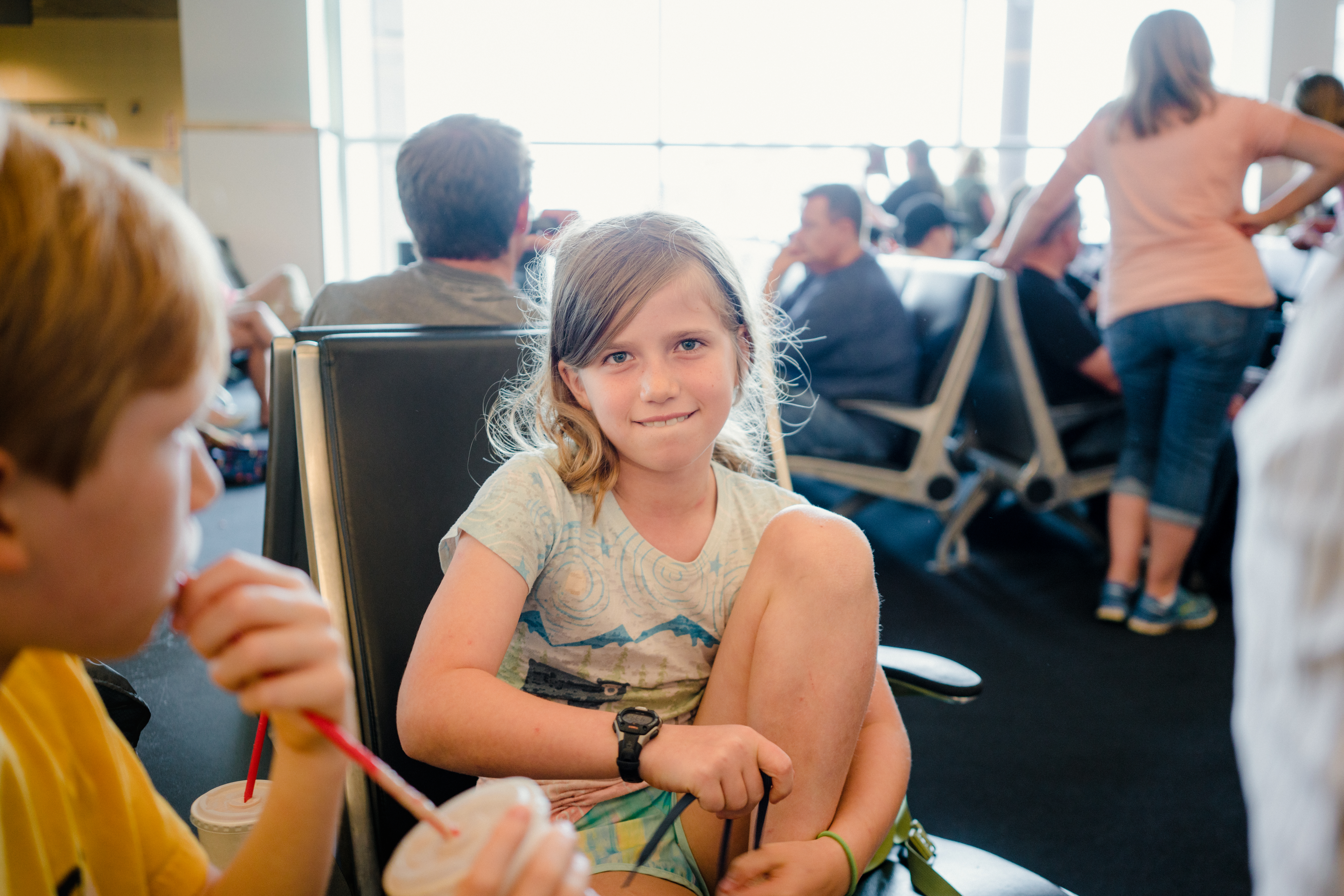
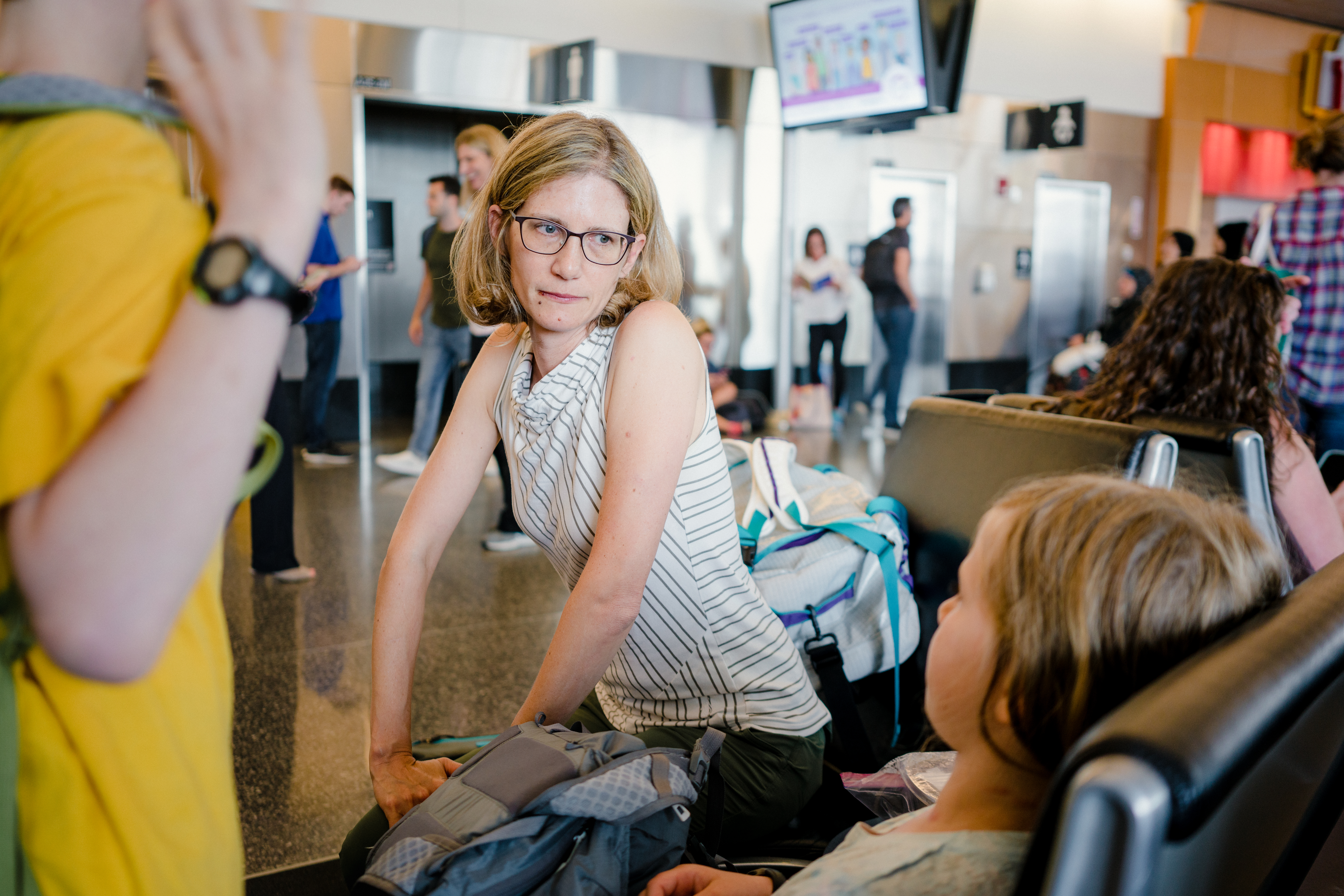
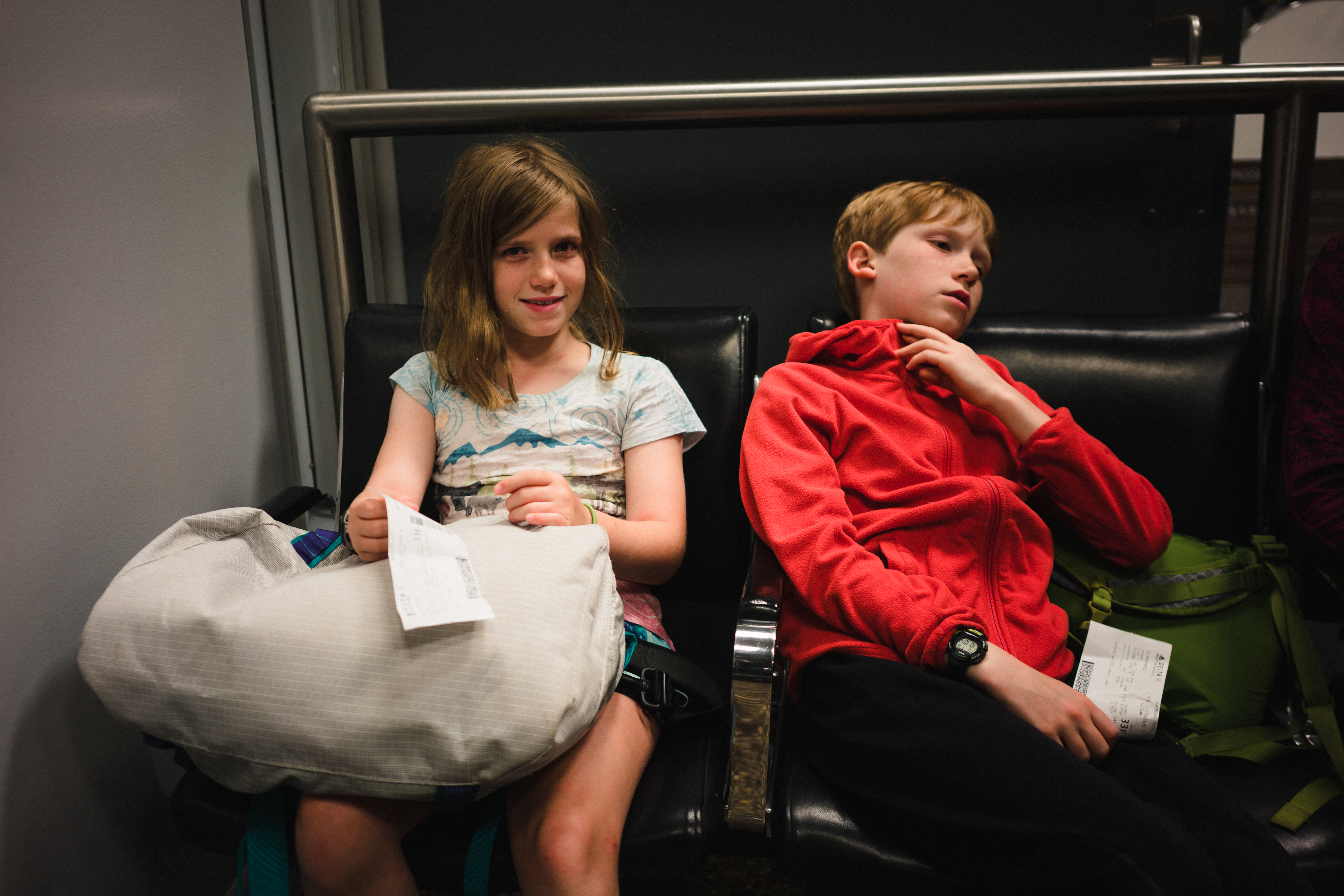
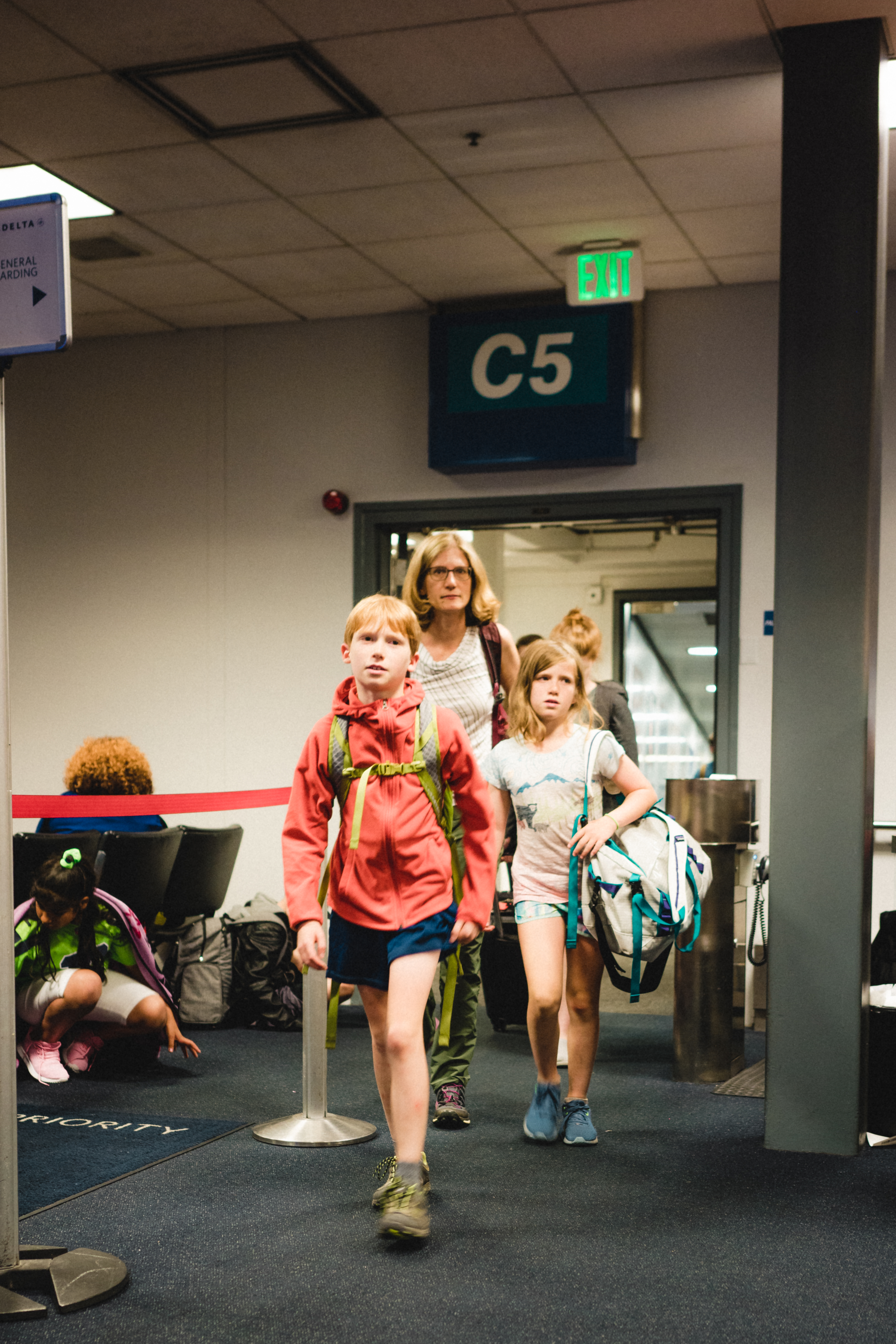
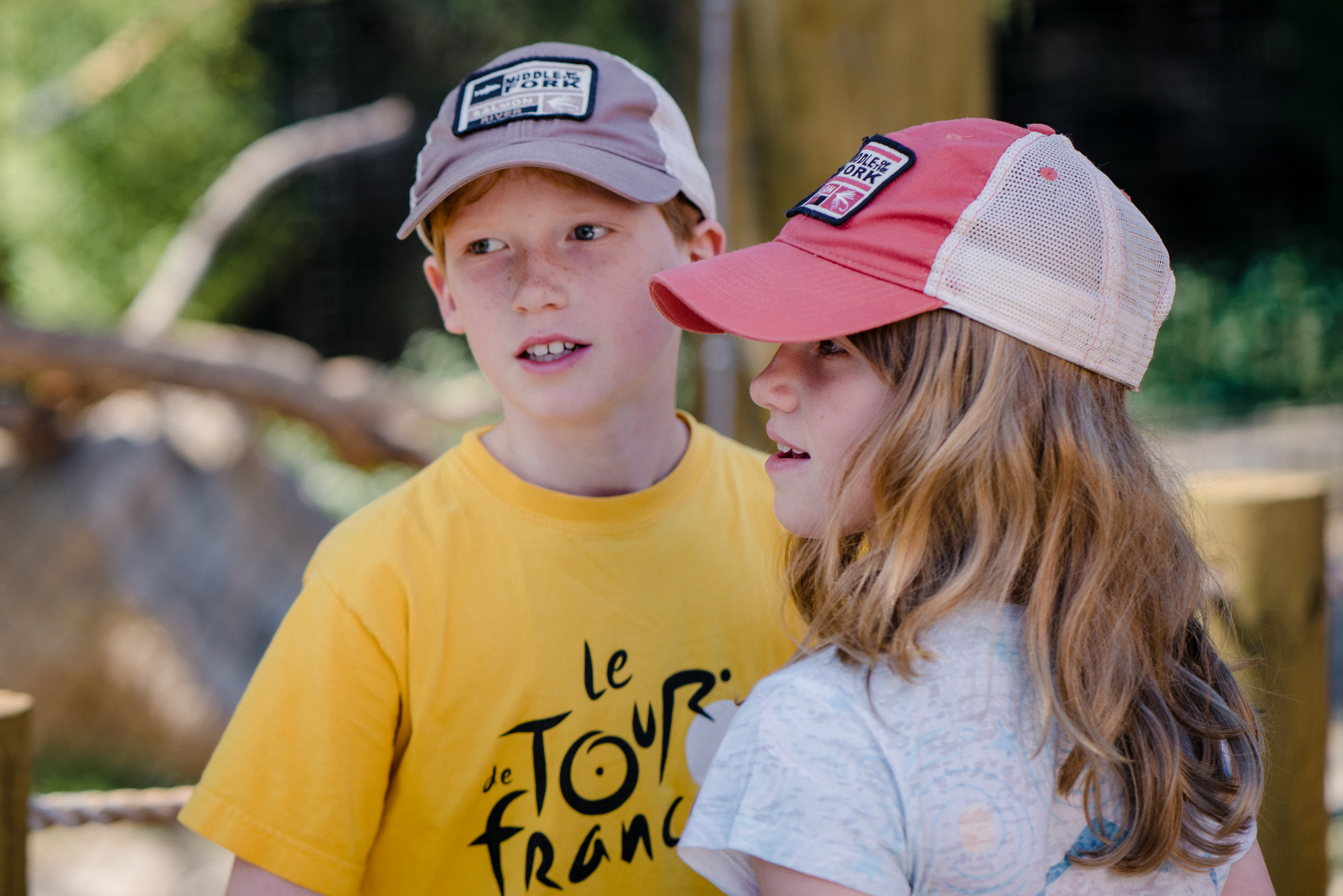
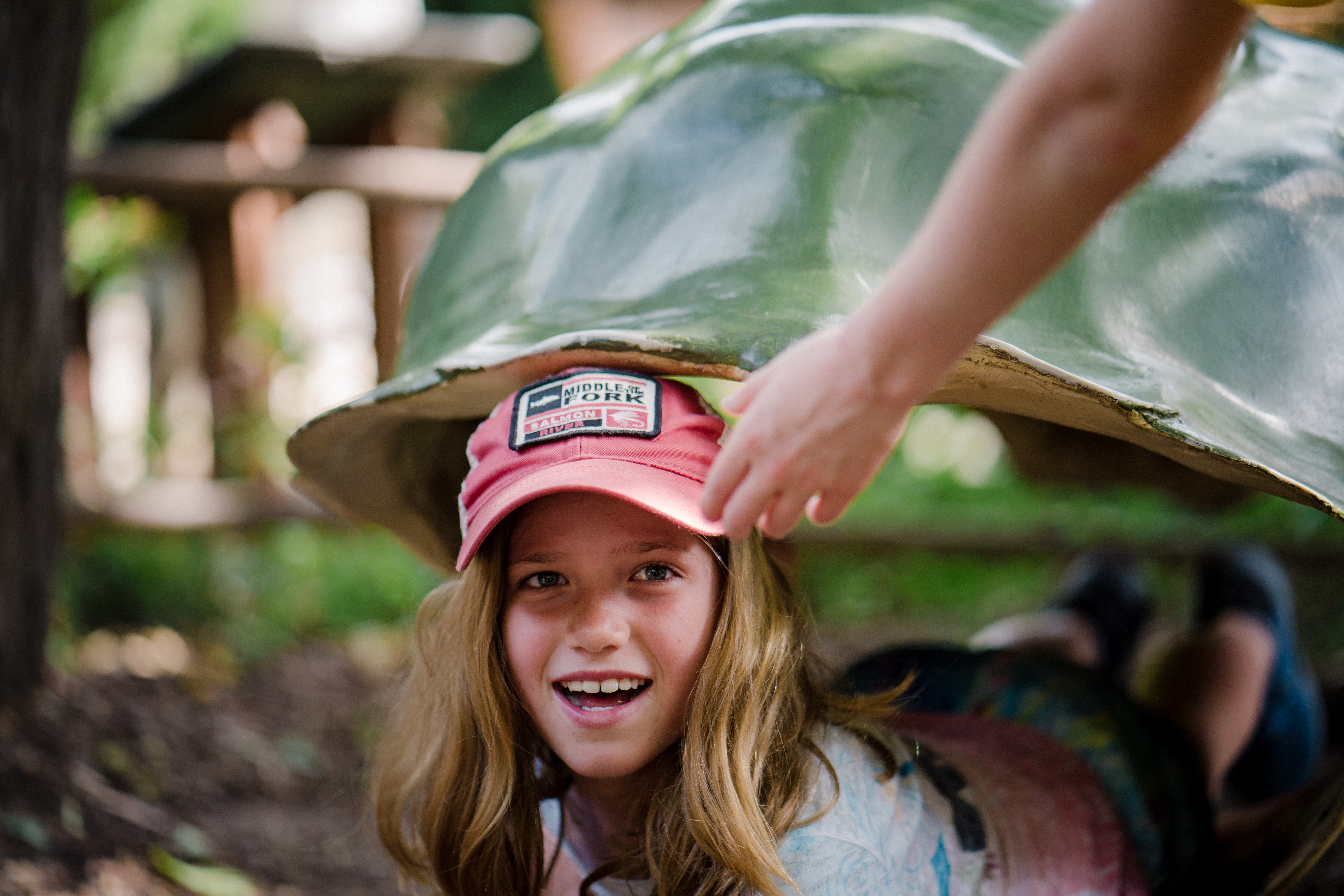
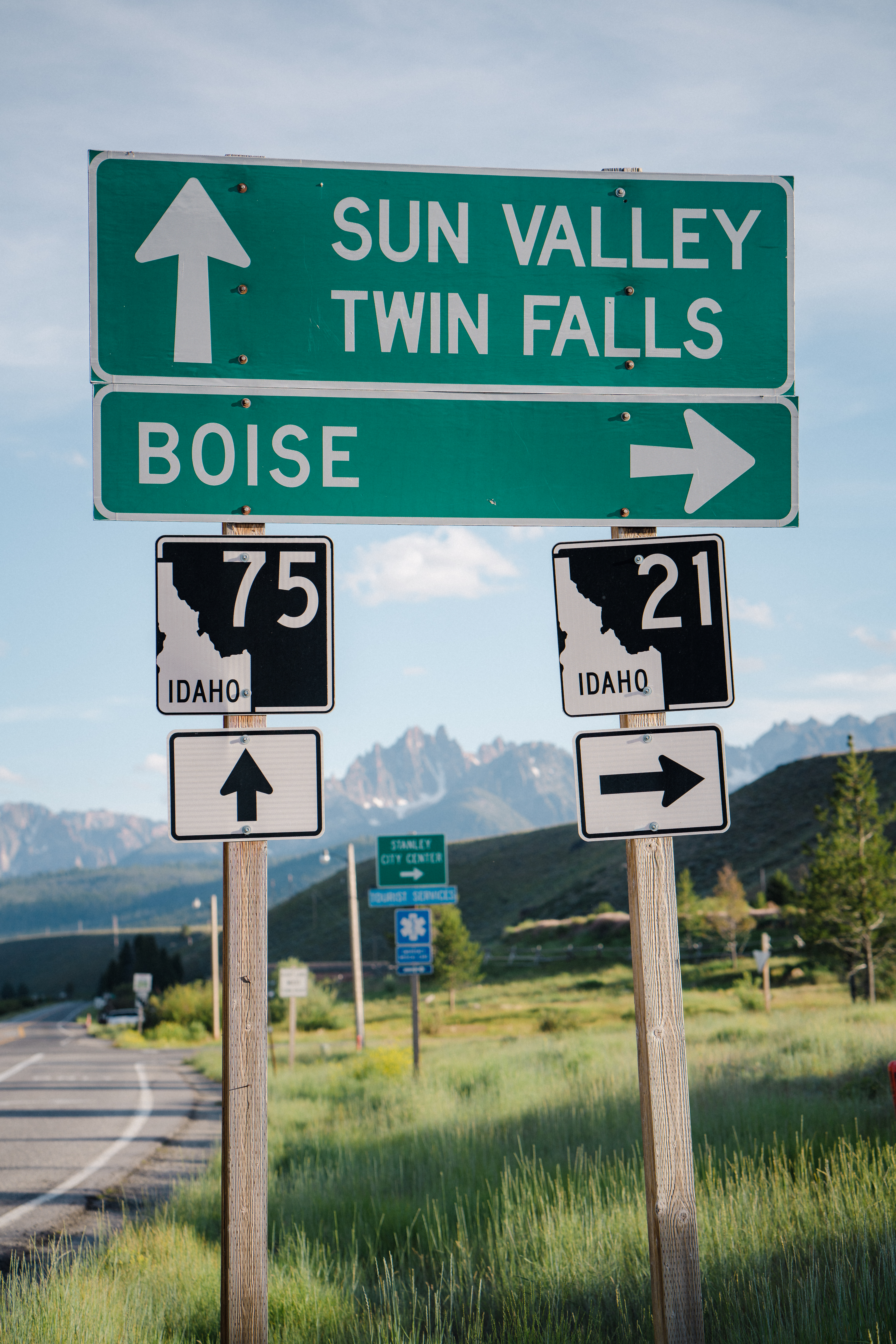
Basically everything is easy other than the midnight arrival. The upside of arriving even one day early is that there is time to explore a bit. Absent the forest fires that slowed our trip three years ago – getting to Stanley can be a real adventure – we decided to check out the Boise Zoo.
Then the quick drive up to Stanley. Repacking, one last run on roads, a pizza and we are ready for the ARTA briefing and dry bag distribution and meeting the other guests.
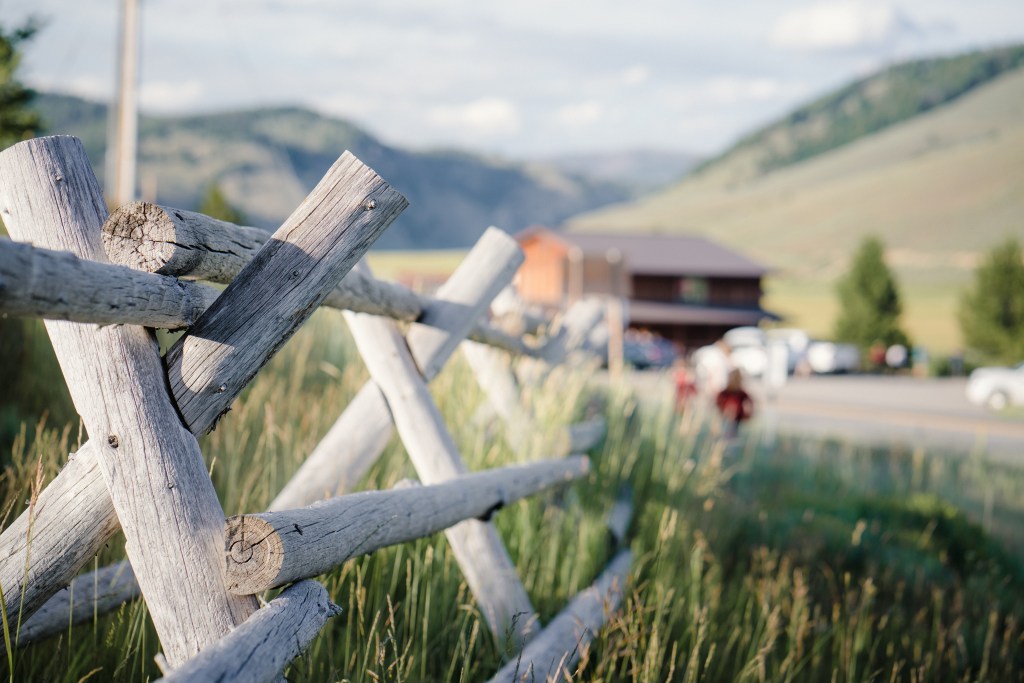
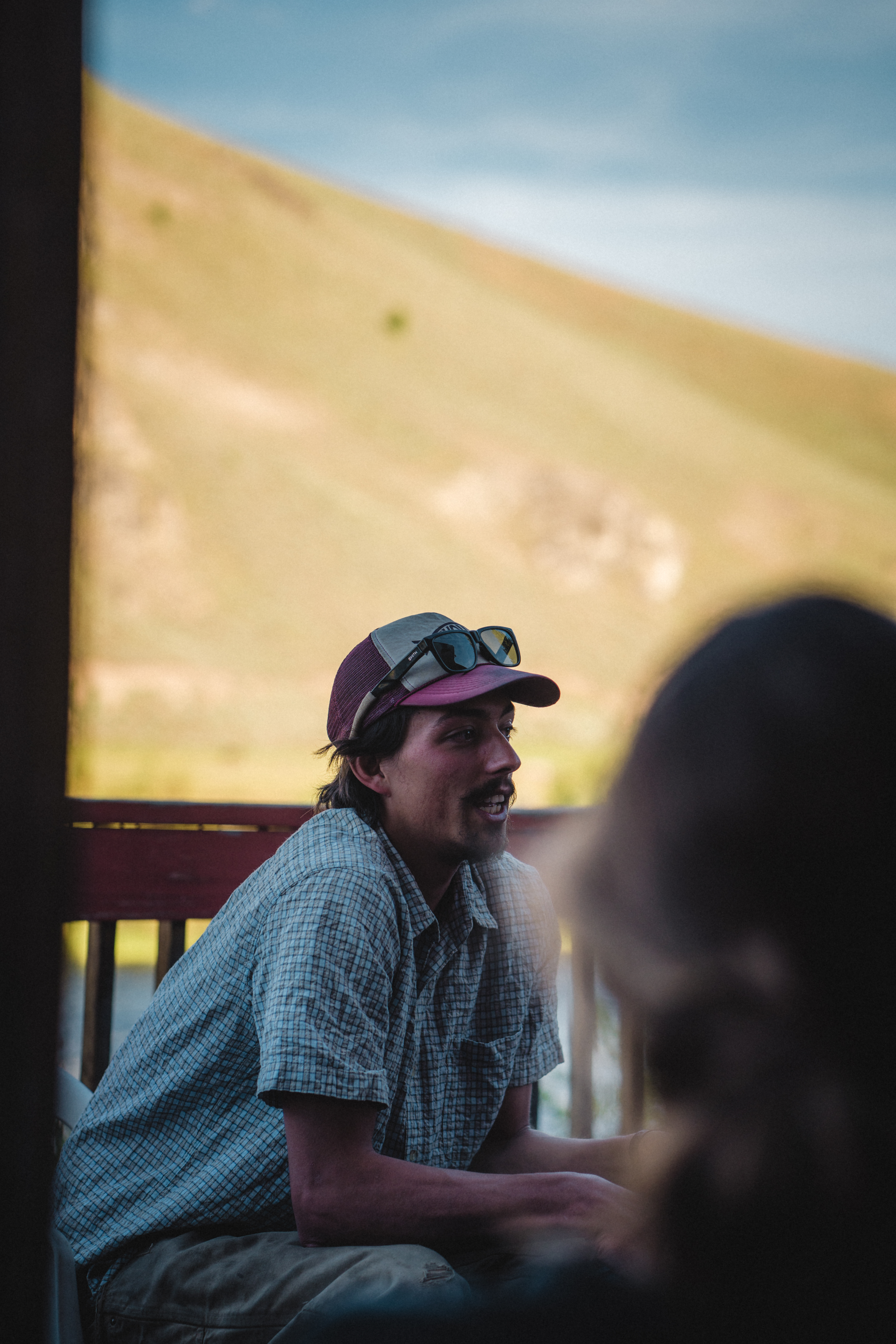
It’s always exciting to see who will lead the trip and whether we know any of the guides [SPOILER: we know most of them!].
3. Launch Day
Going from the possible to the actual is always exciting. From duffels to dry bags there is a final chance to whittle down the stuff. What’s left behind stays in the car or gets locked in a basement storage area for safe keeping. ARTA has lovely new big blue dry bags which close easily – a big upgrade for us compared to prior years.
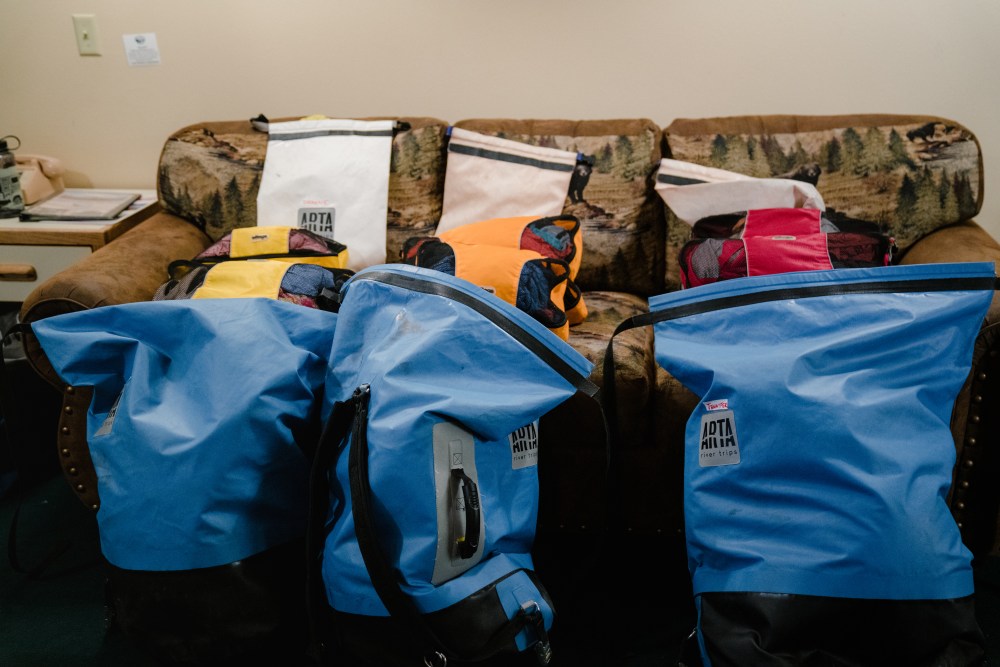
Cold pizza, hummus and cream cheese for breakfast – the last meal on our own for 6 days. The school bus fills. Drinks are stashed. Day bags hugged.
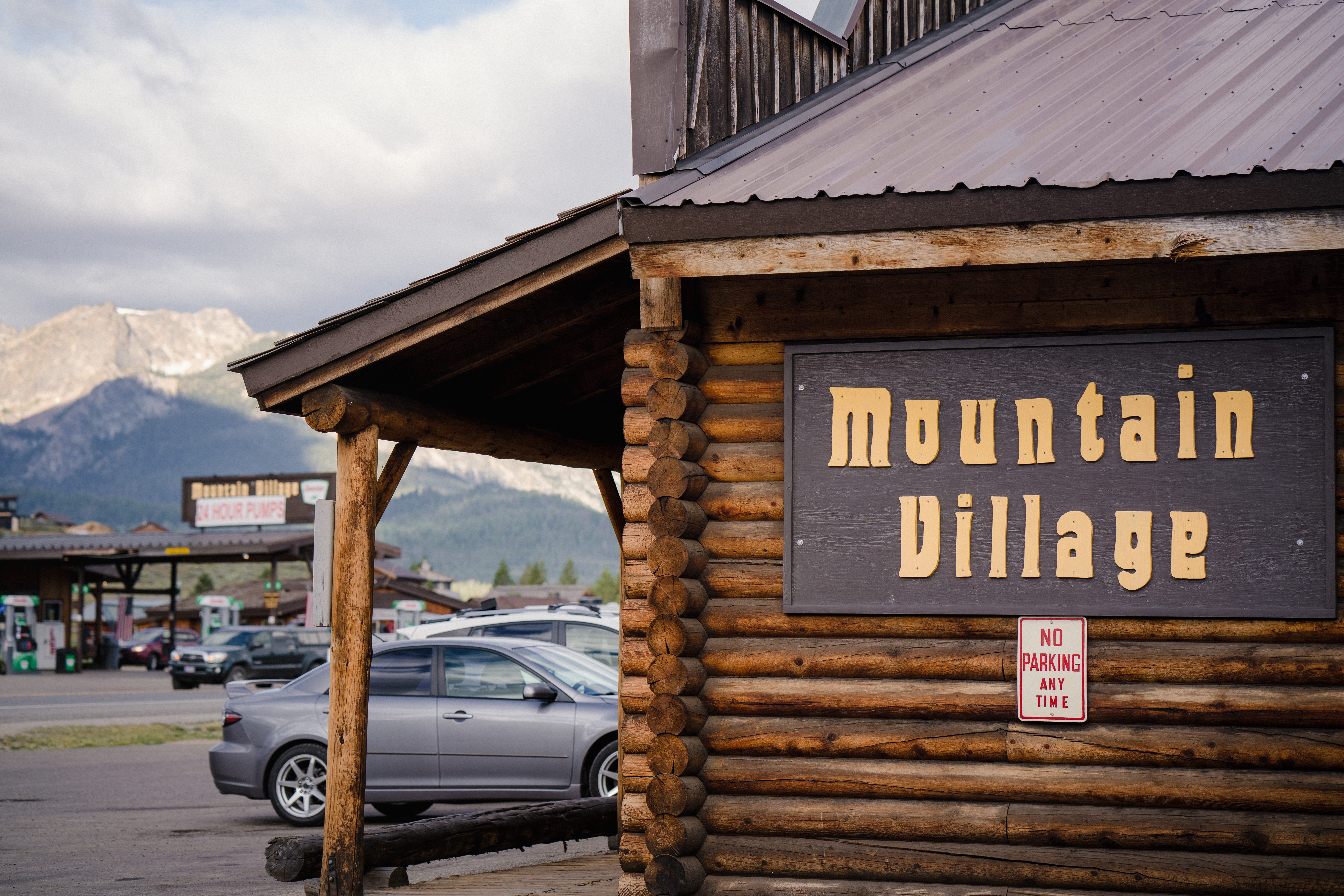
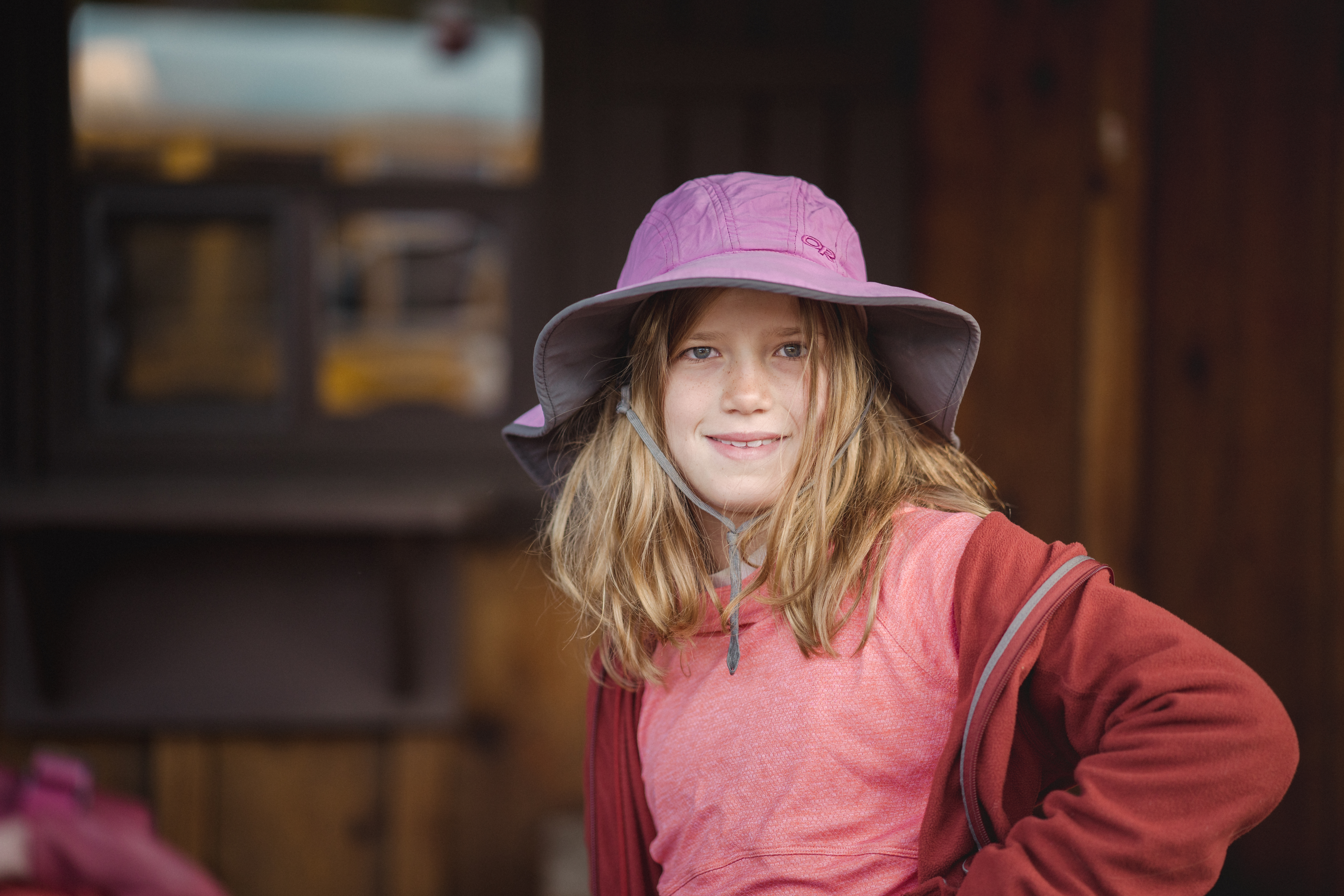
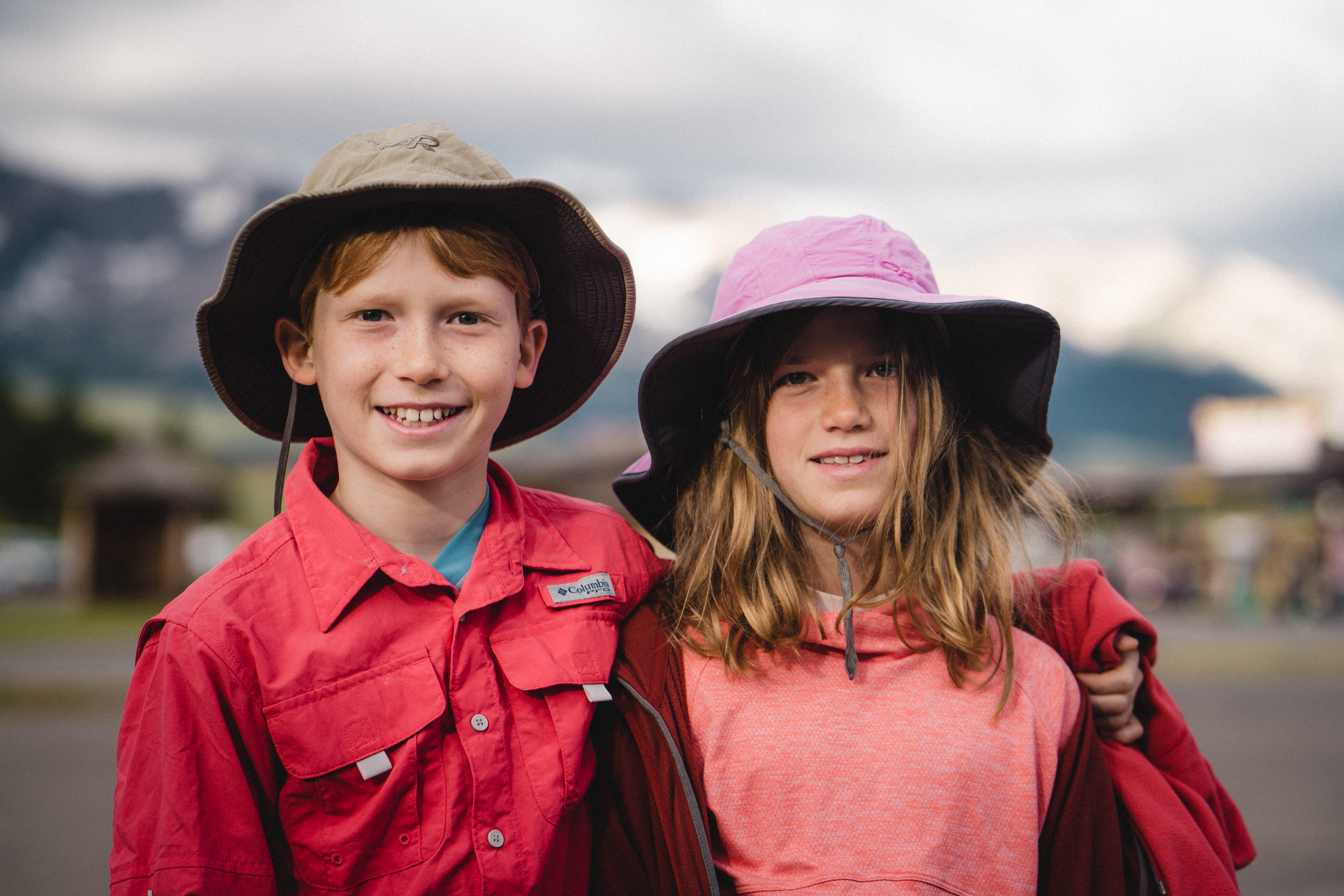
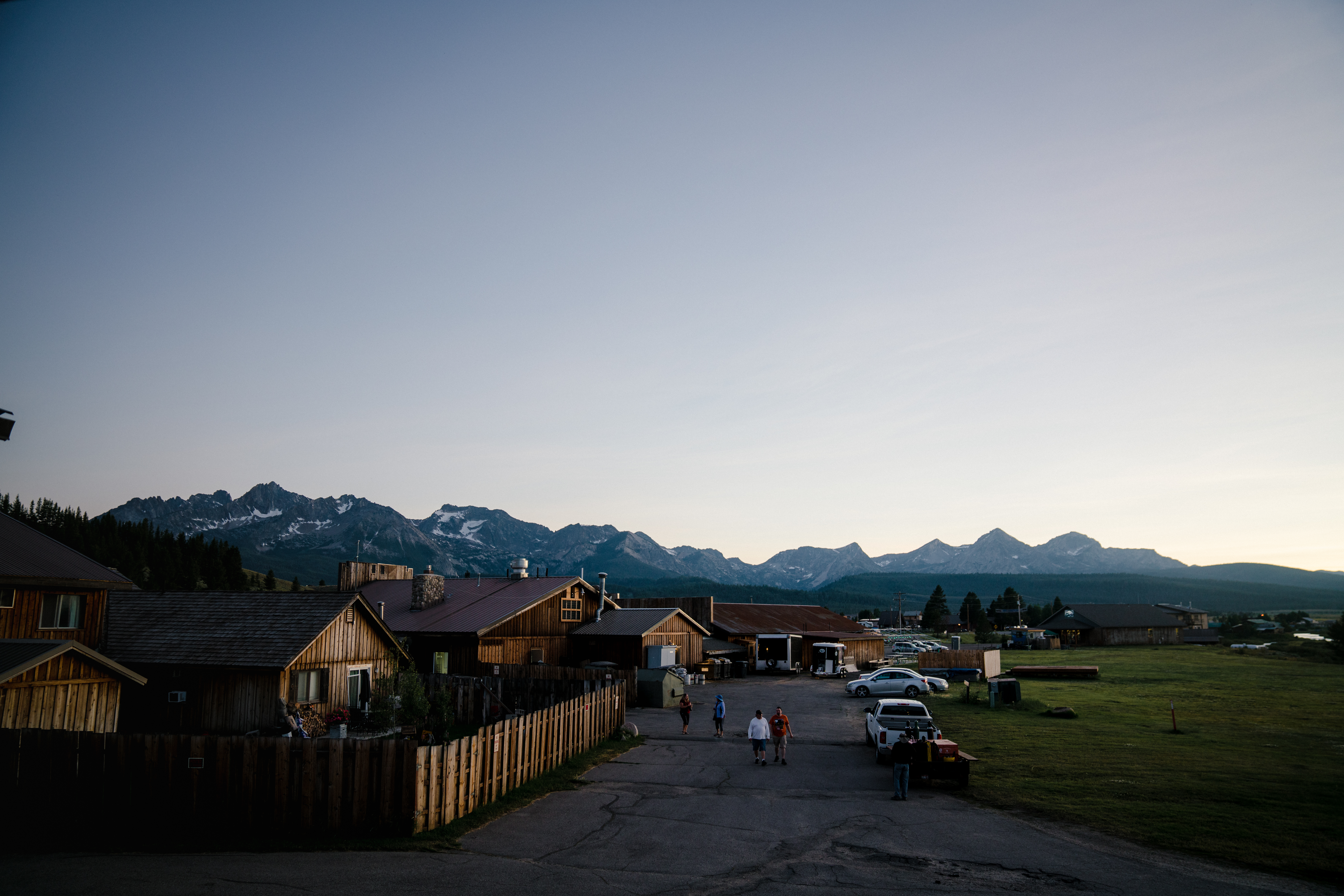
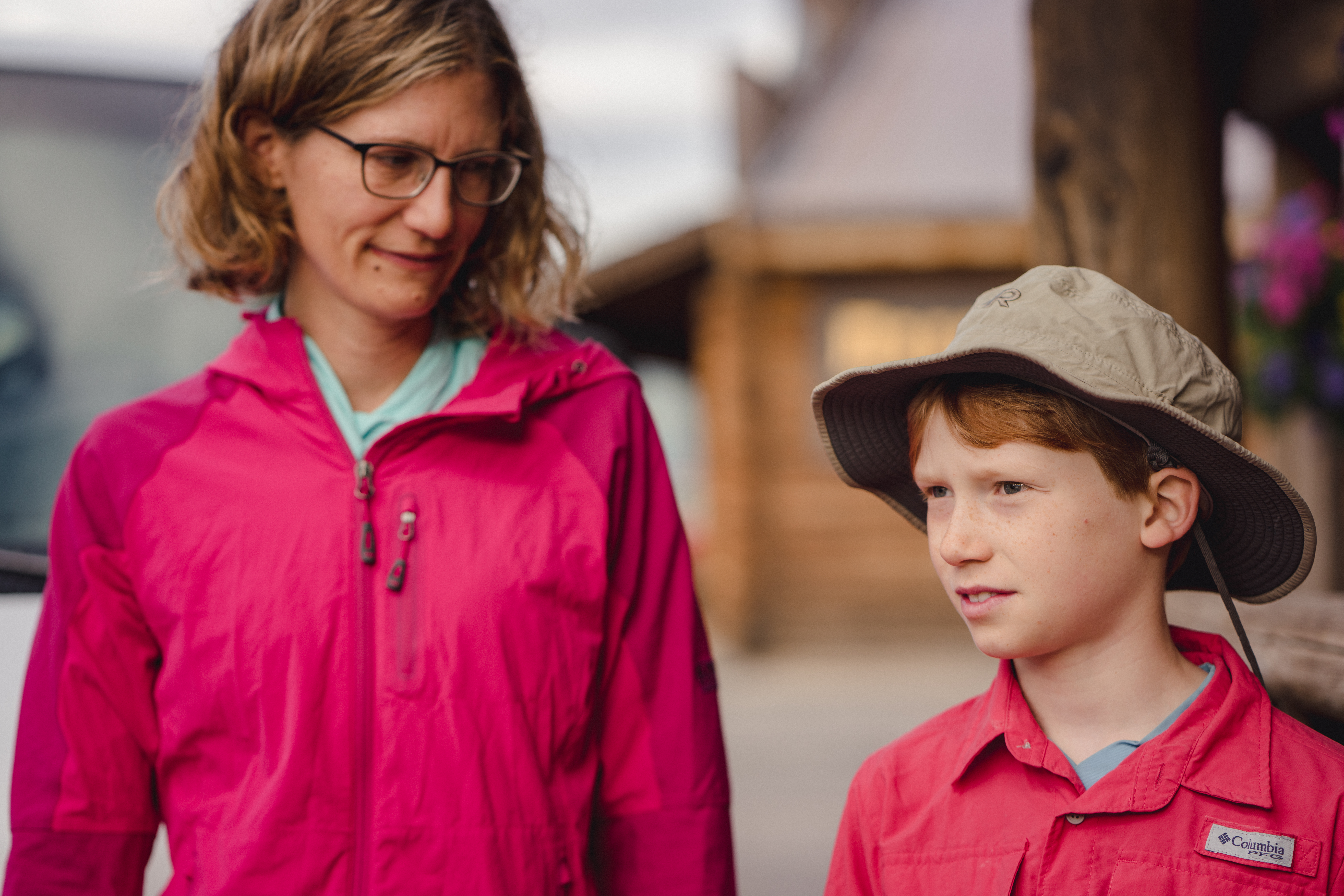
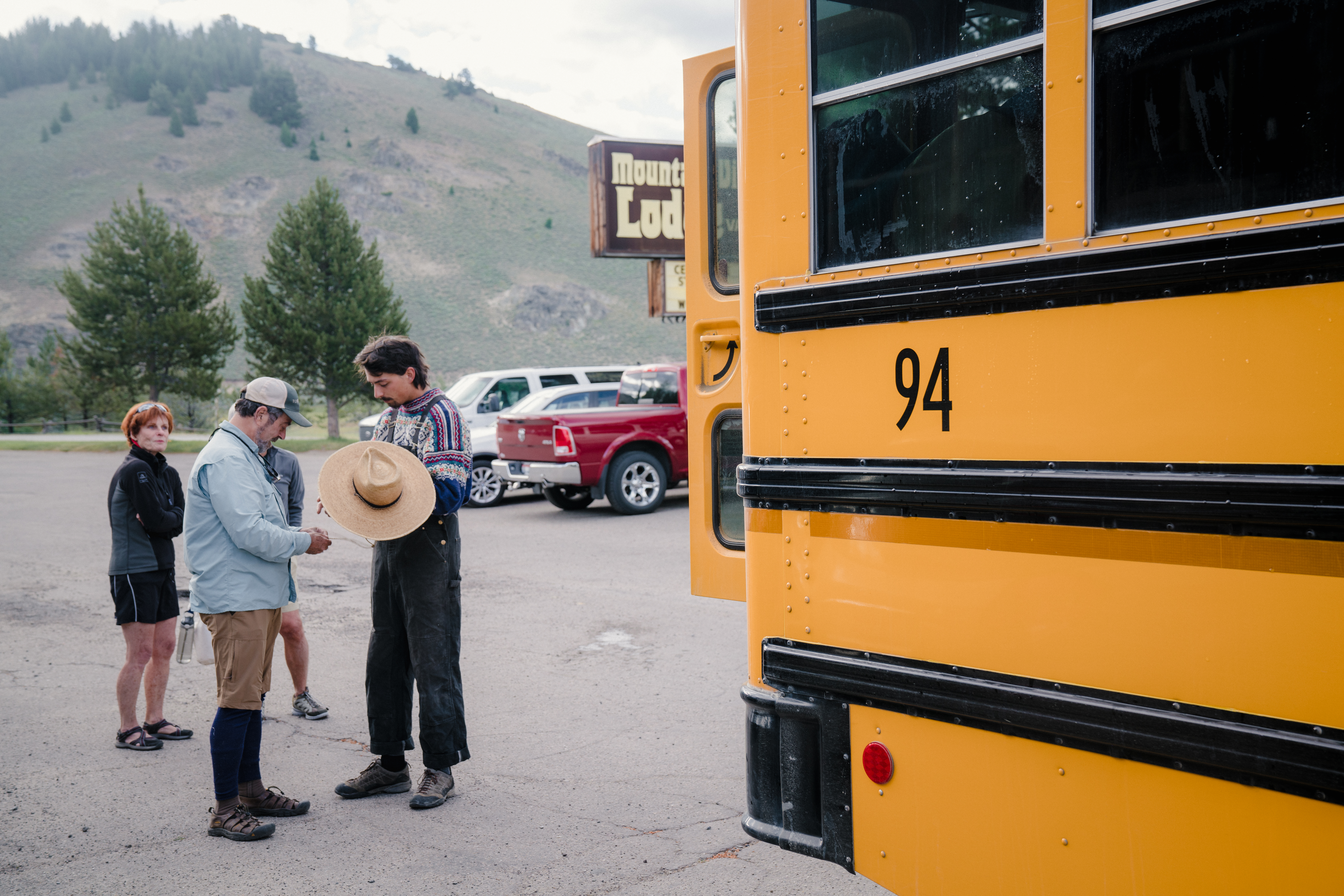
Every trip starts in its own way but there is a sense of coalescing around a common purpose. We are individual groups becoming part of a whole.
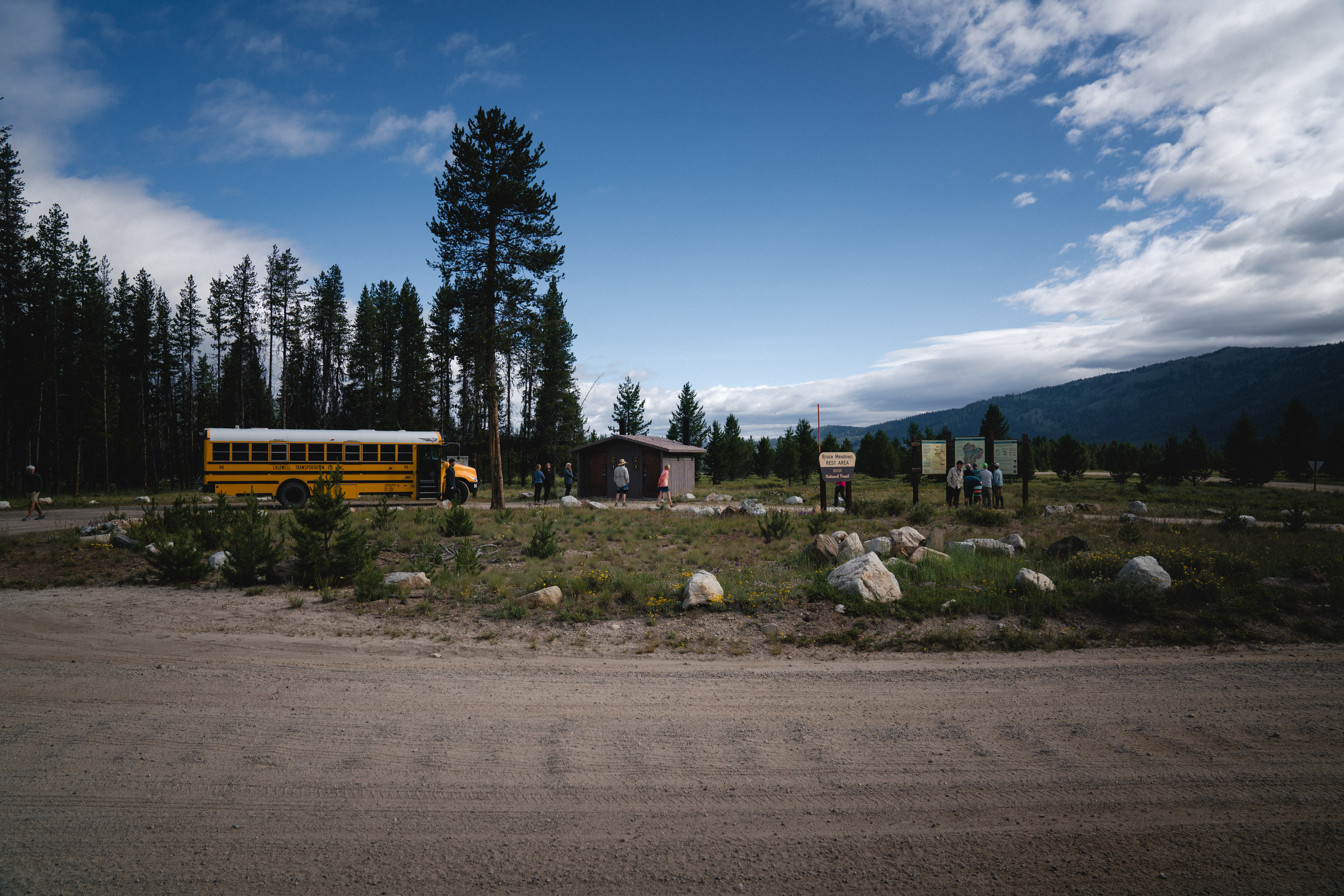
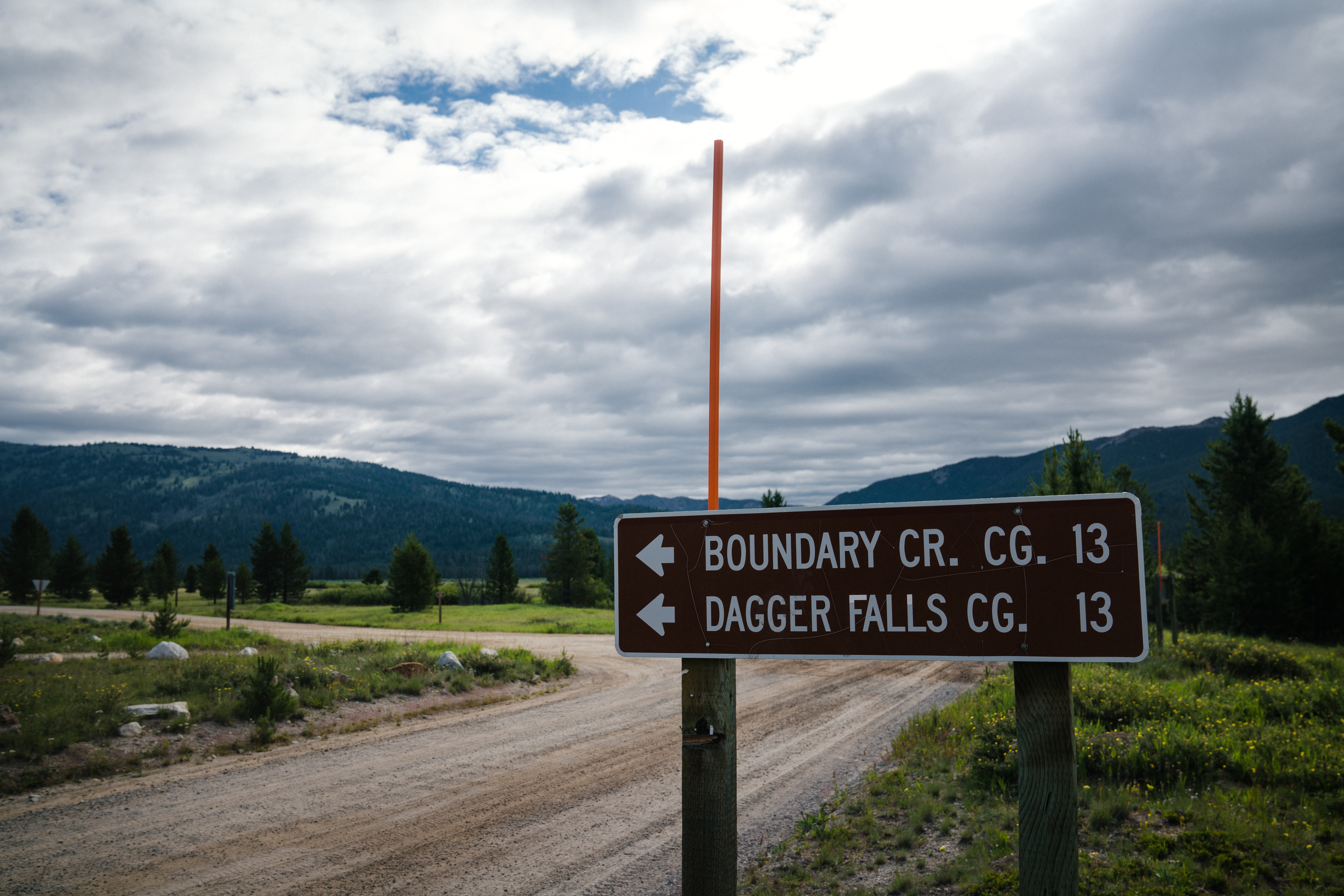
Finally the out of office message is true – no cell service. In 2016 we came later in the season when the river was lower so had to fly in for this same trip, cutting off the first 25 miles. That was certainly exhilarating, but this earlier season, longer trip merits a more traditional bus ride in. Boundary Creek and the put in appear suddenly as you crest the final ridge.
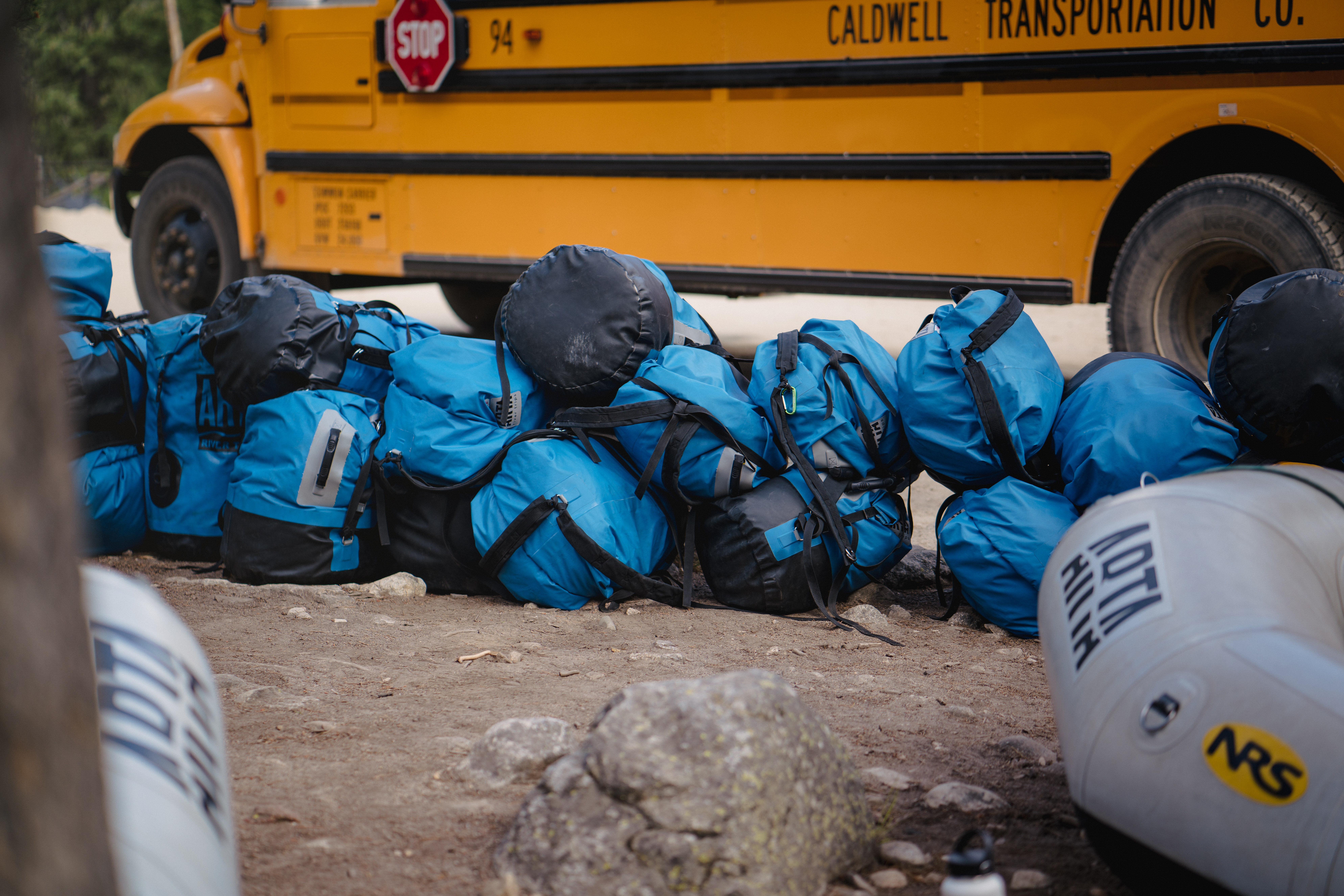
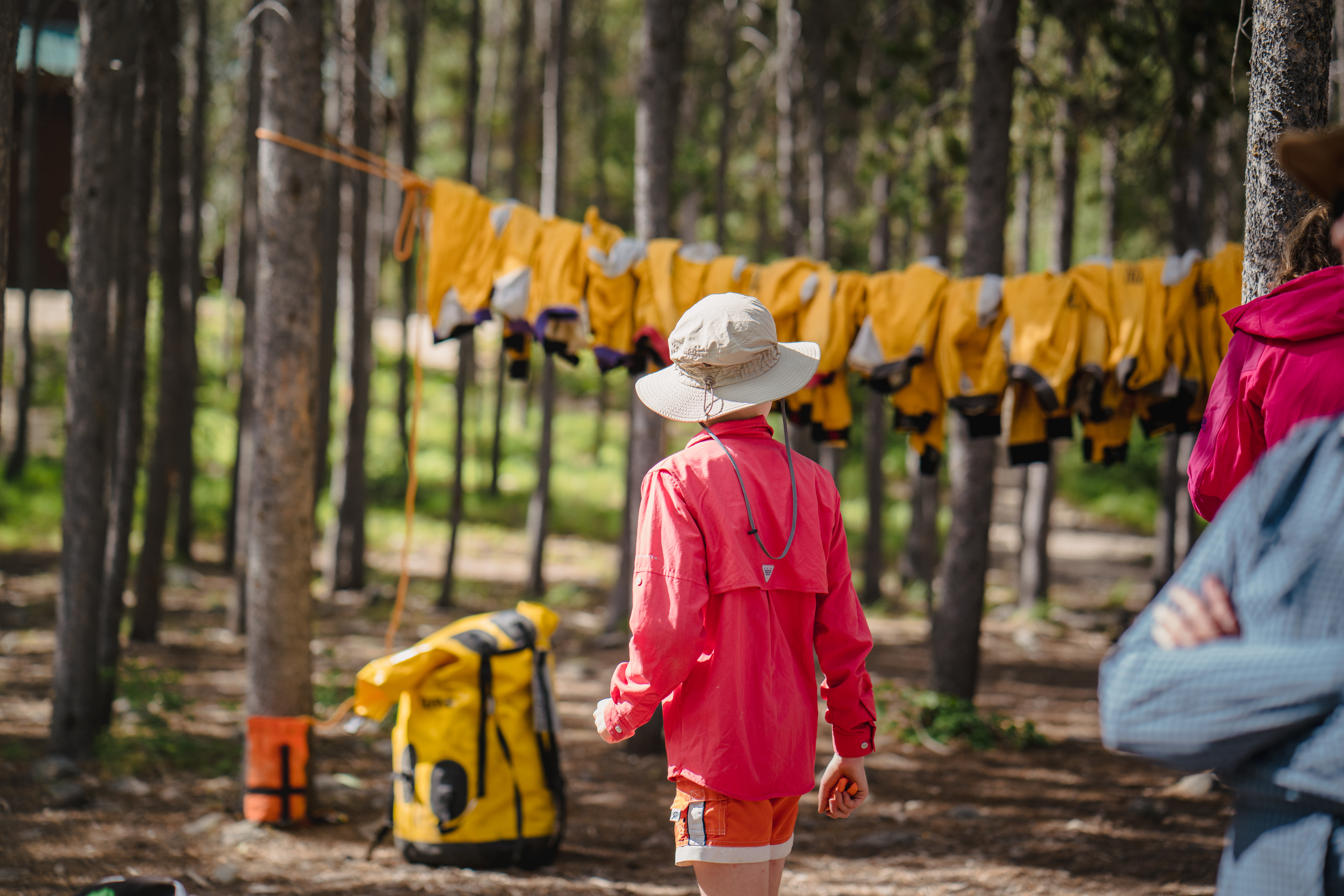
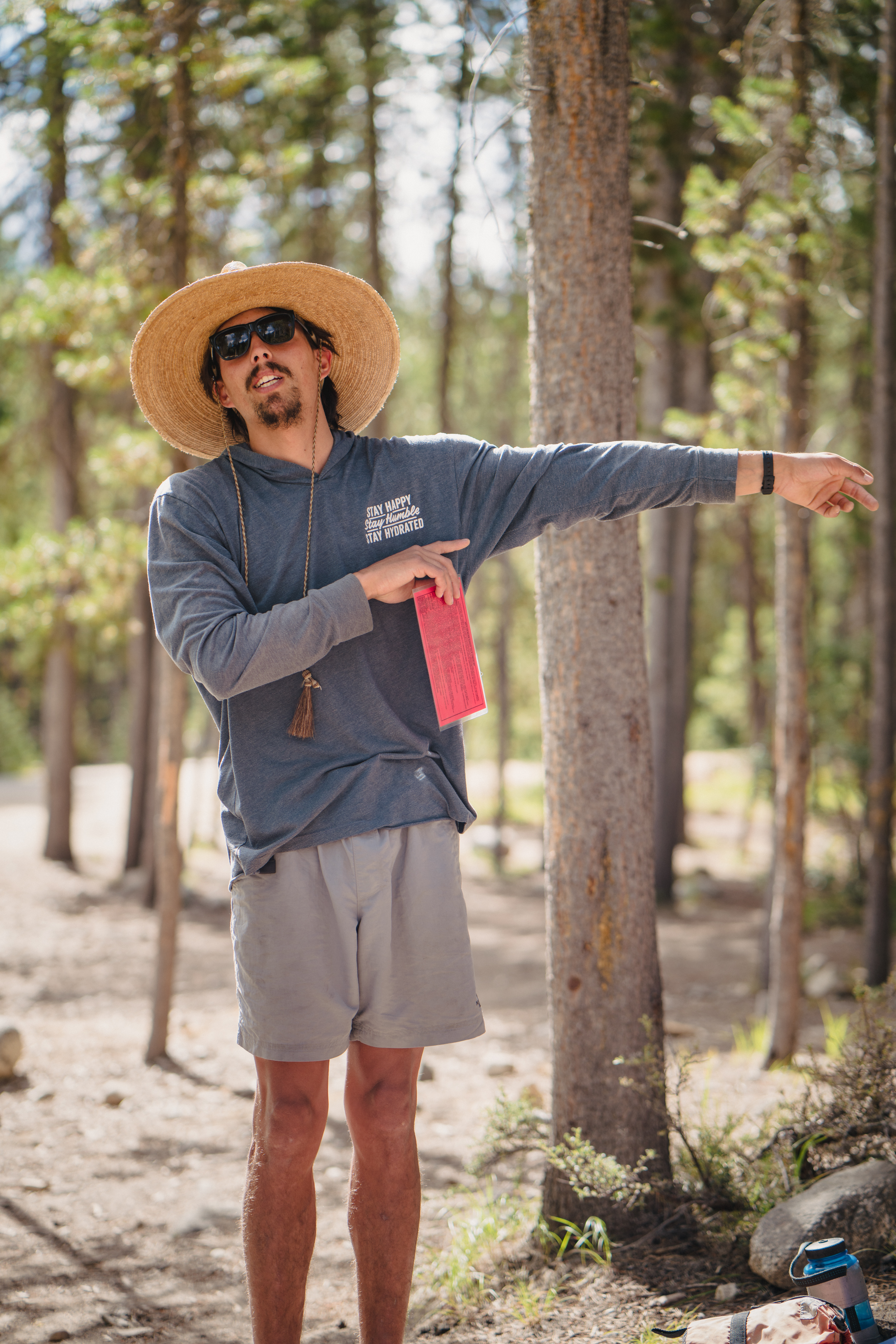
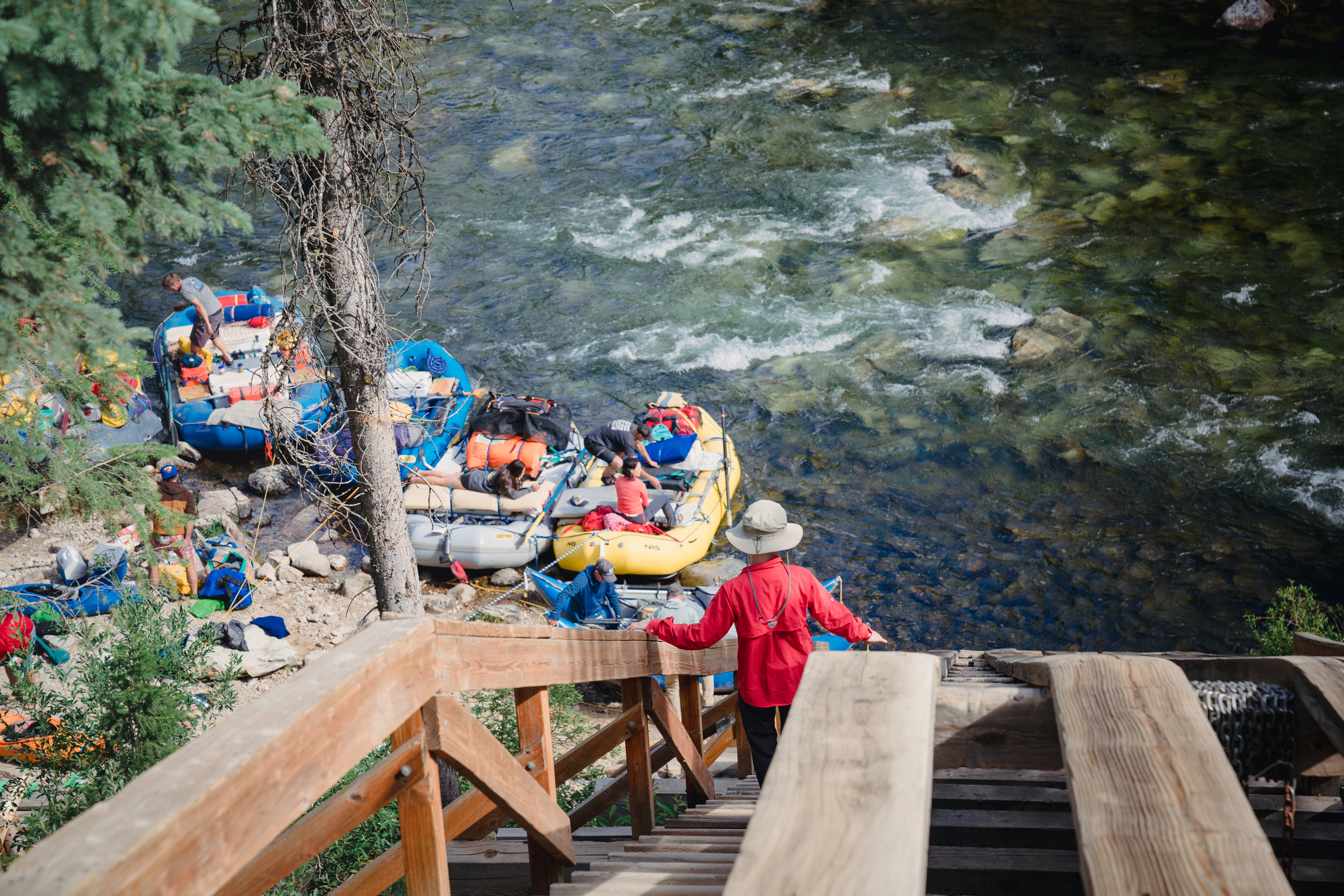
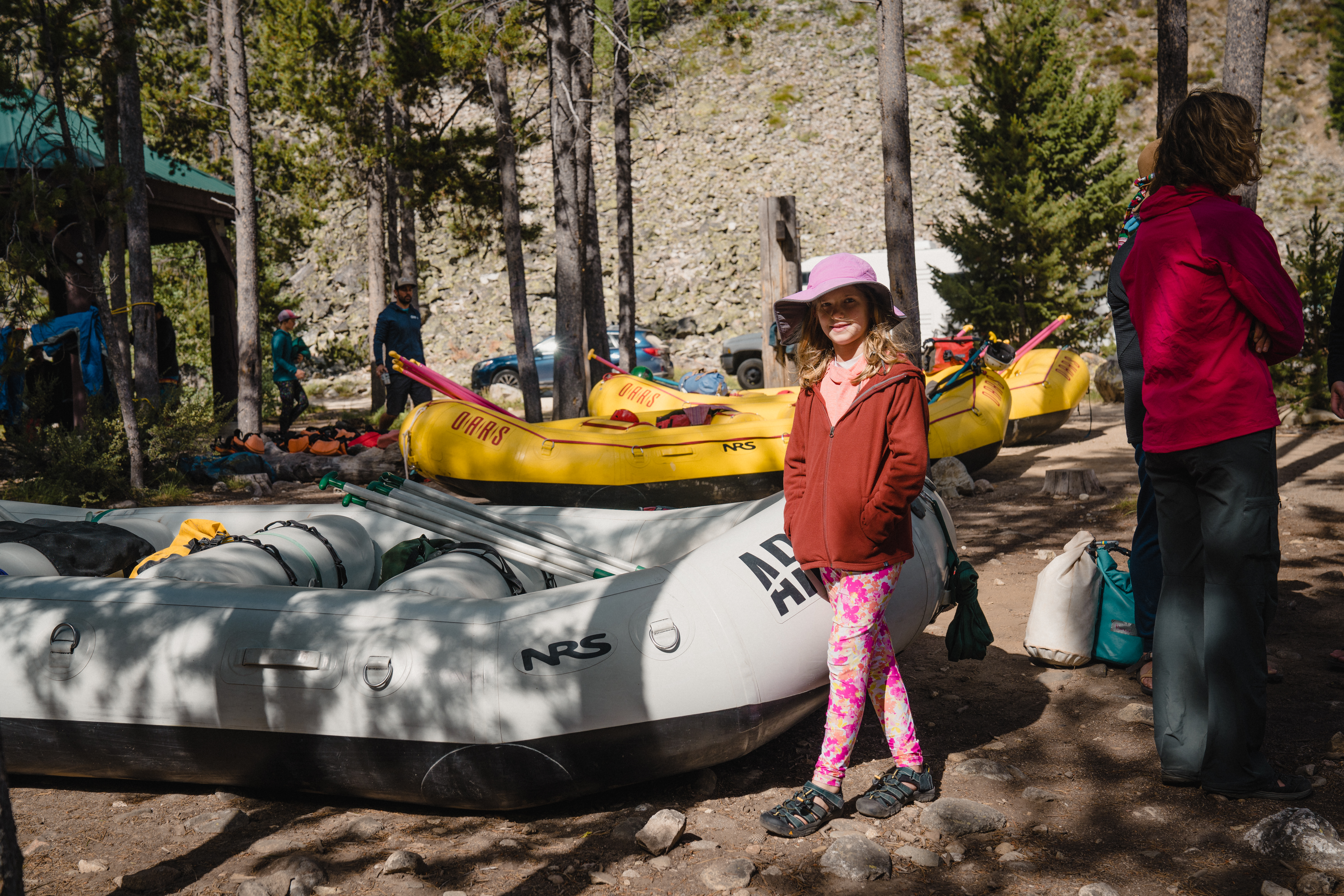
Mile 0 bustles with lots of groups getting ready. You move bags, get your PFD and apply sunscreen. The ARTA safety talk is less scary with repetition but it remains a bit sobering thinking through all the things that can go wrong. To the guides, the river looks like a “mountain creek” but to the less trained eye, it is simply a beautiful river.
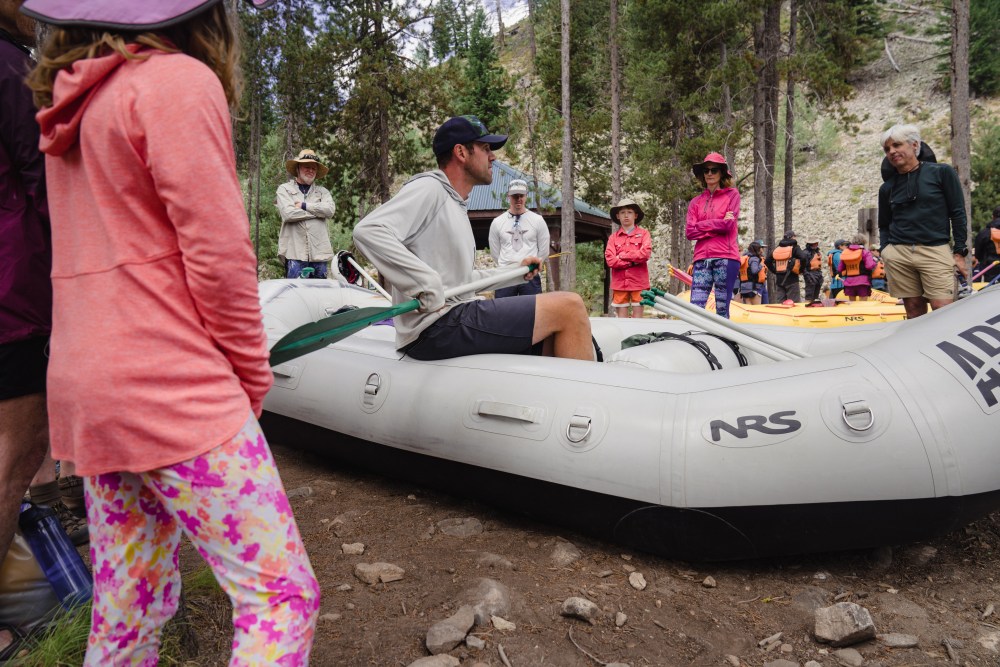
You are reminded that when it comes to paddling, you may be doing it wrong as the guides take you through what to do and expect. The correct – and perhaps unobtainable – technique is shared and it is seldom brought up again during the trip. You are the engine in these paddle boats and that engine does not always need to be perfectly tuned.
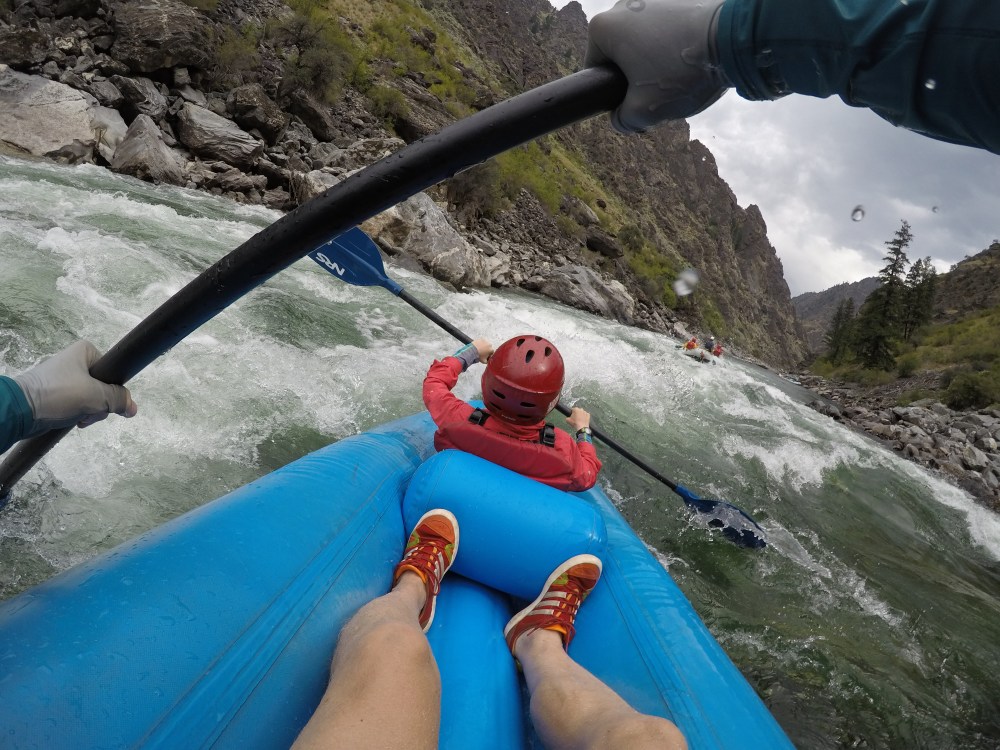
Finally, as on every morning, you need to decide what kind of boat you want to be in for the morning. Is it the oar boat where you can relax and take it all in? The paddle boat where you have a job to do? Or the Duckie where it’s you vs. the river? Each trip, each day, and even each half-day has its own character based on boat selection.
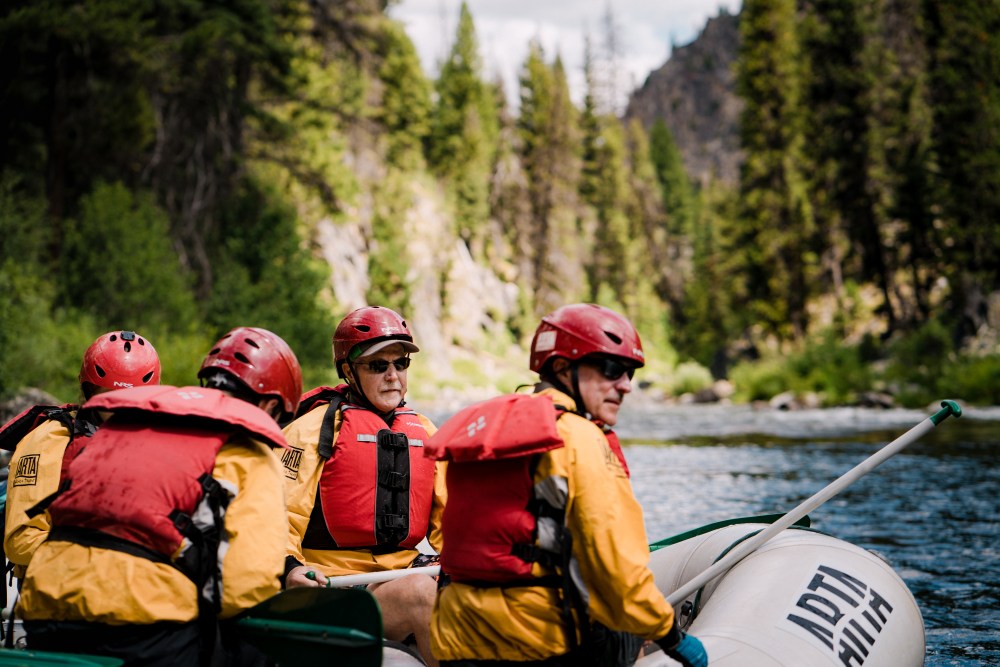
Today, the paddle boats are more popular than they will be the remainder of the trip. It’s not a day for kids in the paddle boat given the low water and there are no Duckies out yet so Jenn and the kids are in an oar boat.
4. On the River
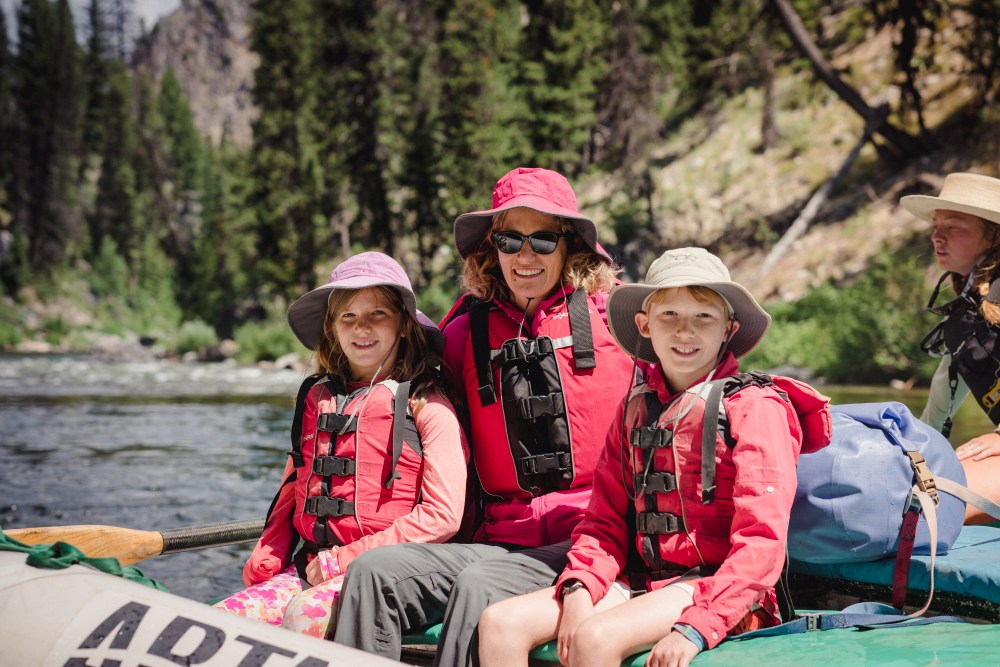
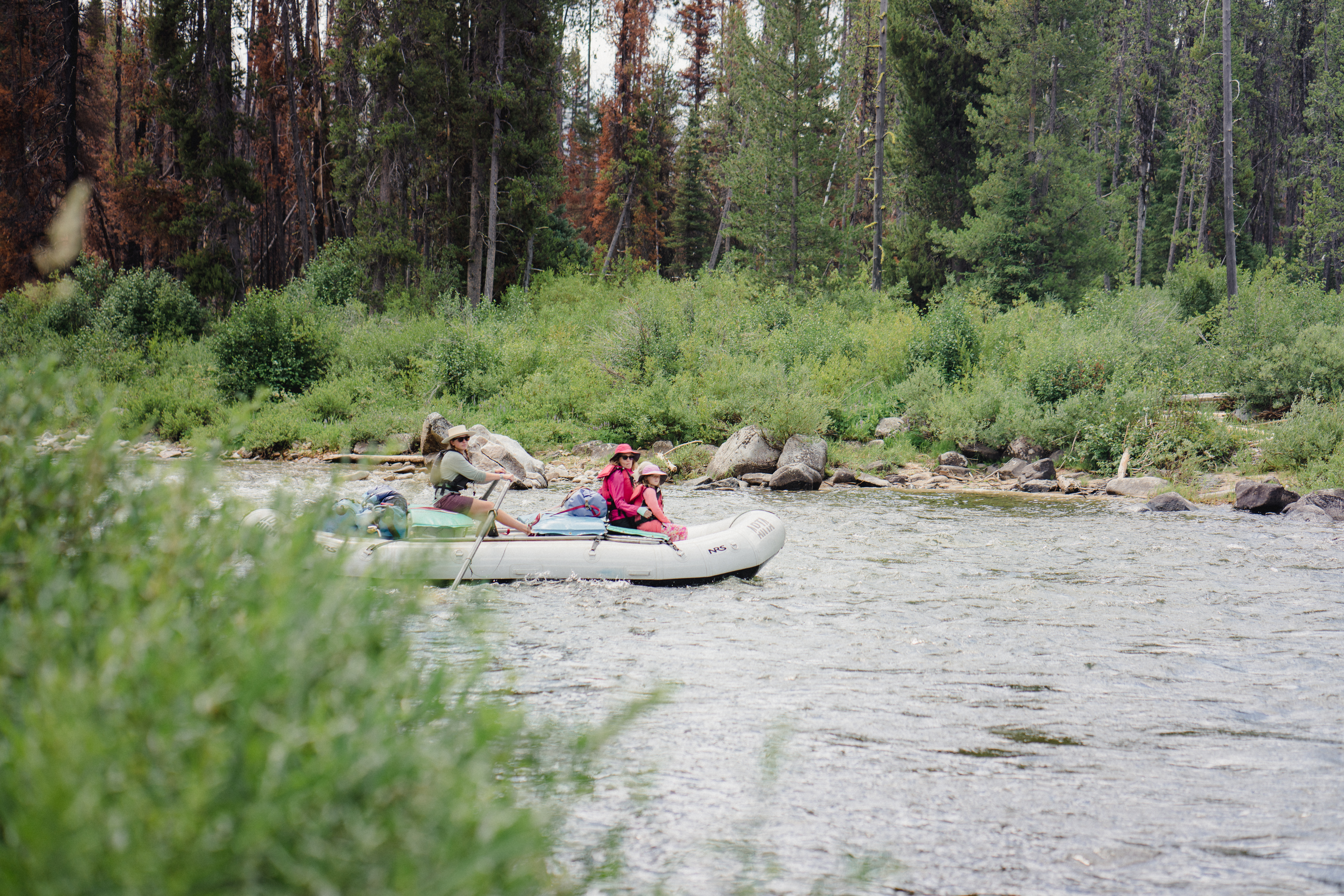
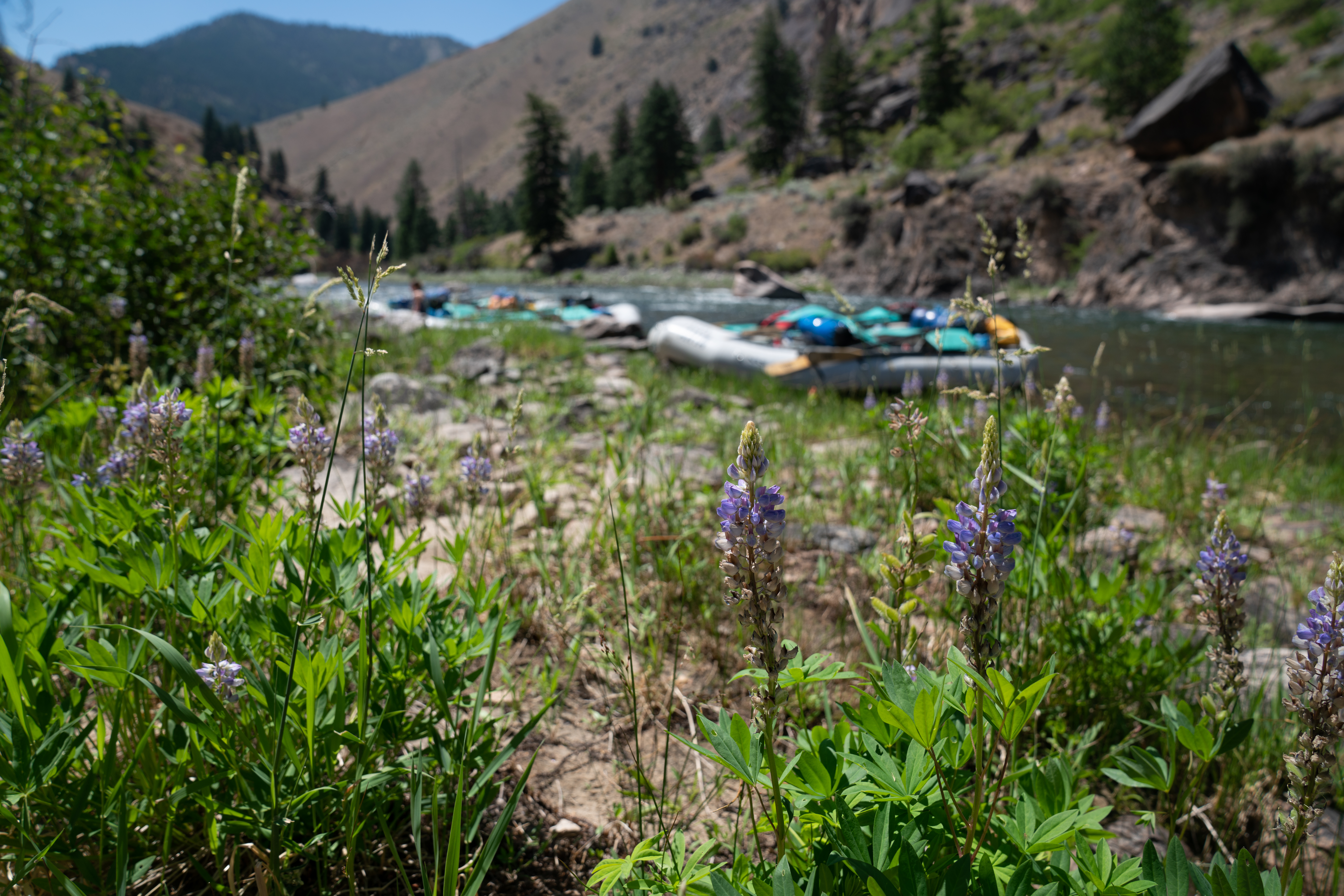
Once you start, the days have a very specific pattern to them: a few hours on the river, a lunch break, a few more hours and you stop for camp.
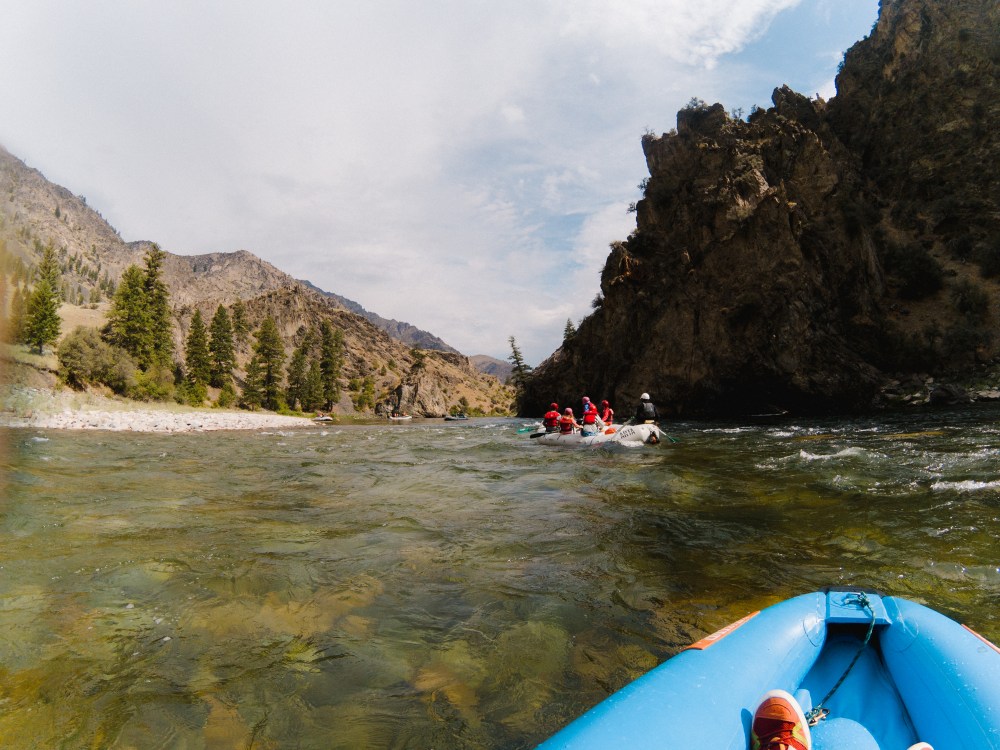
Within that pattern there is plenty of variation. Early in the trip, you need to pass the “Duckie test” where you have to demonstrate your ability to get back into a flipped inflatable kayak. There are many approved techniques for this – none particularly graceful when viewed from the beach – though it’s critical to know how to self-rescue if and when you get flipped.
There are plenty of places to jump into pools from nearby rocks. This is bracing but always a good time – even for Daphne.
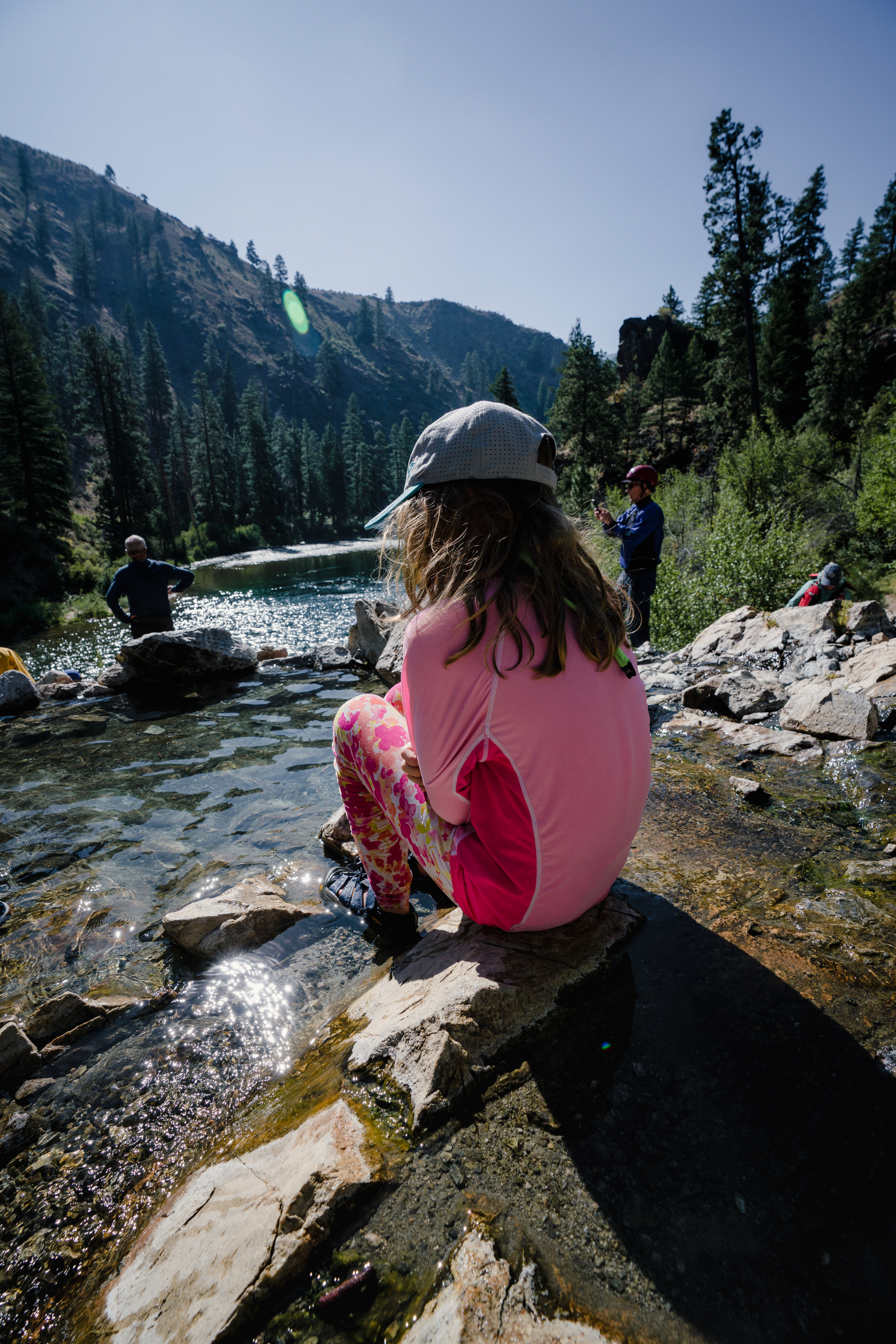
On some trips – this one included – there are various hot springs along the river. Cold mornings and the cold river mean that the the hot water can feel great. Sometimes the hot springs are a special stop during the day and sometimes they are a short hike from camp.
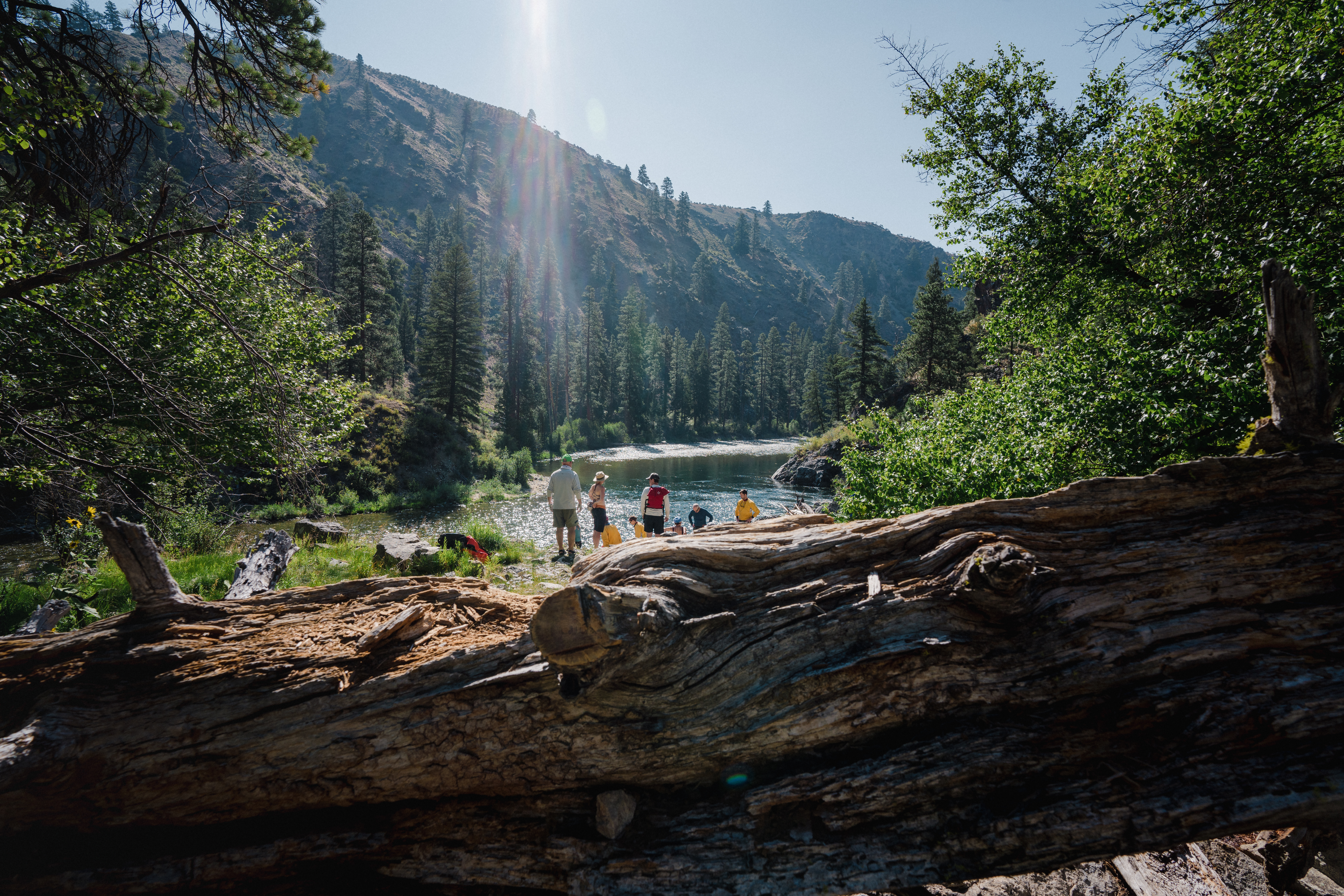
There are pictographs from the Sheepeater peoples to see in caves and rock outcroppings along the way.
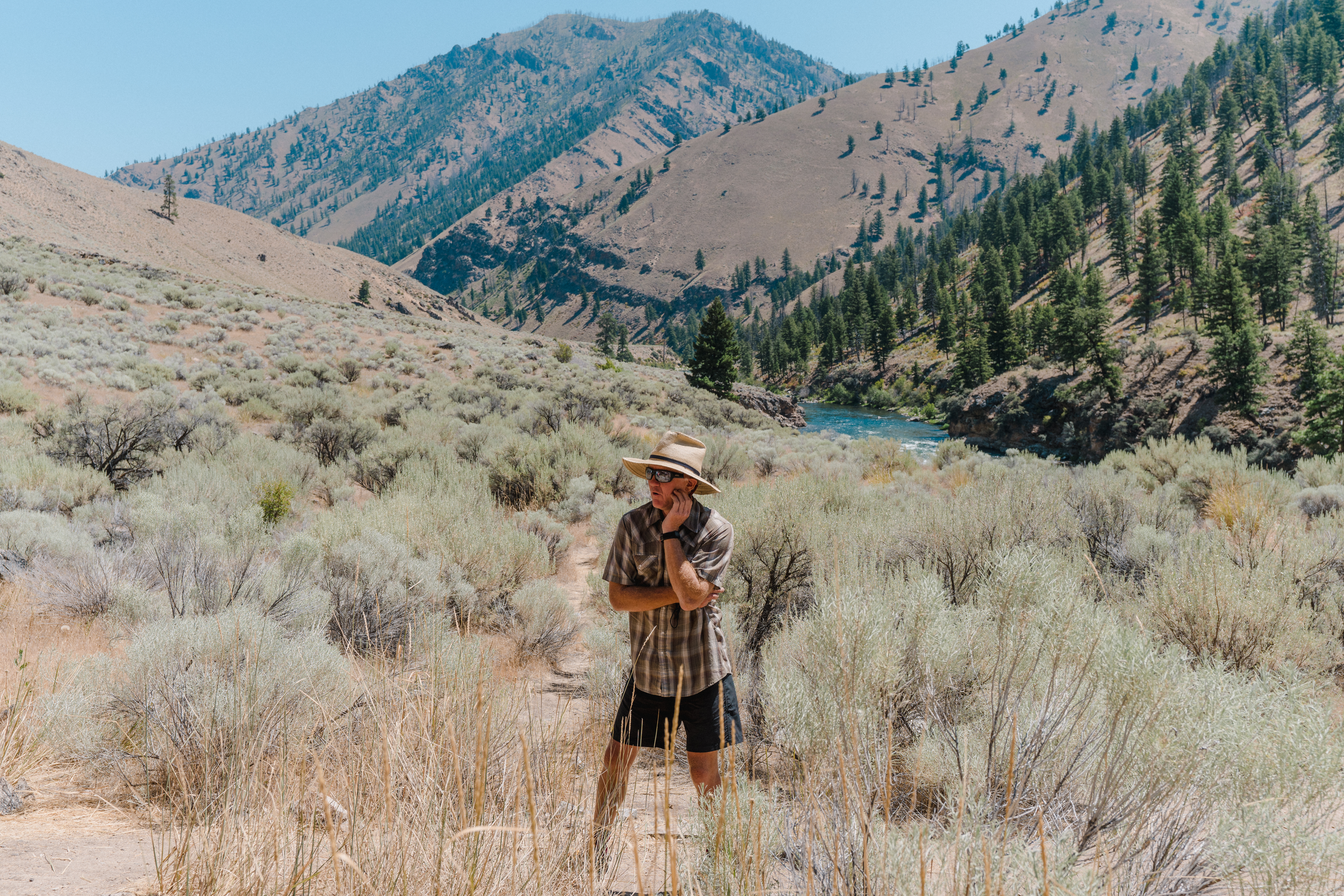
The guides act as educators sharing their knowledge of the history of the place from the fire two weeks ago caused by a lightning strike to the ancient art. This is our fourth ARTA trip and each has a different feel based on the trip leader. Guides find just the right balance between keeping us safe on the river and letting the trip be about us.
There are short hikes along the way to overlooks, cave or waterfalls.
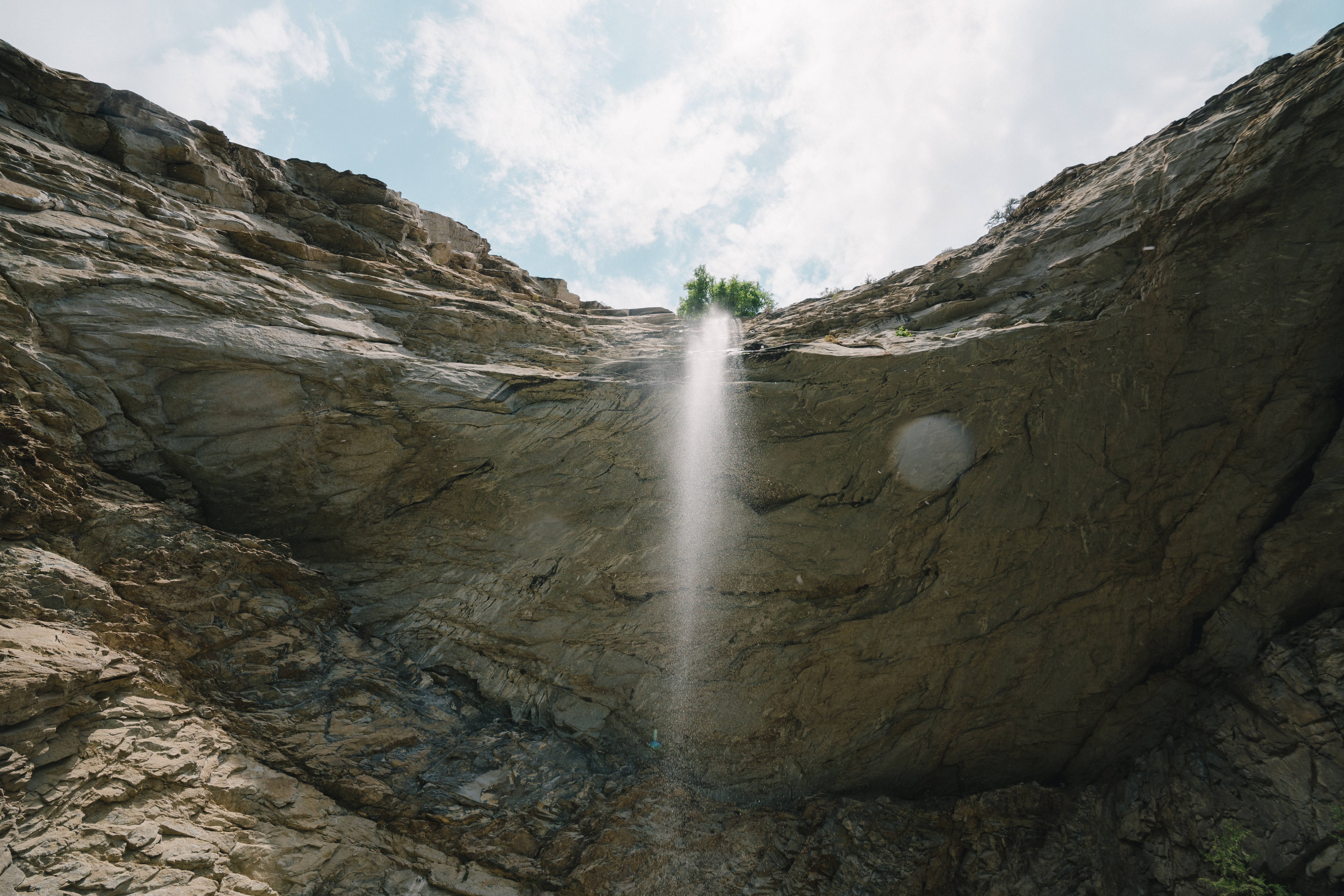
Veil Falls is a particularly spectacular spot on this trip.
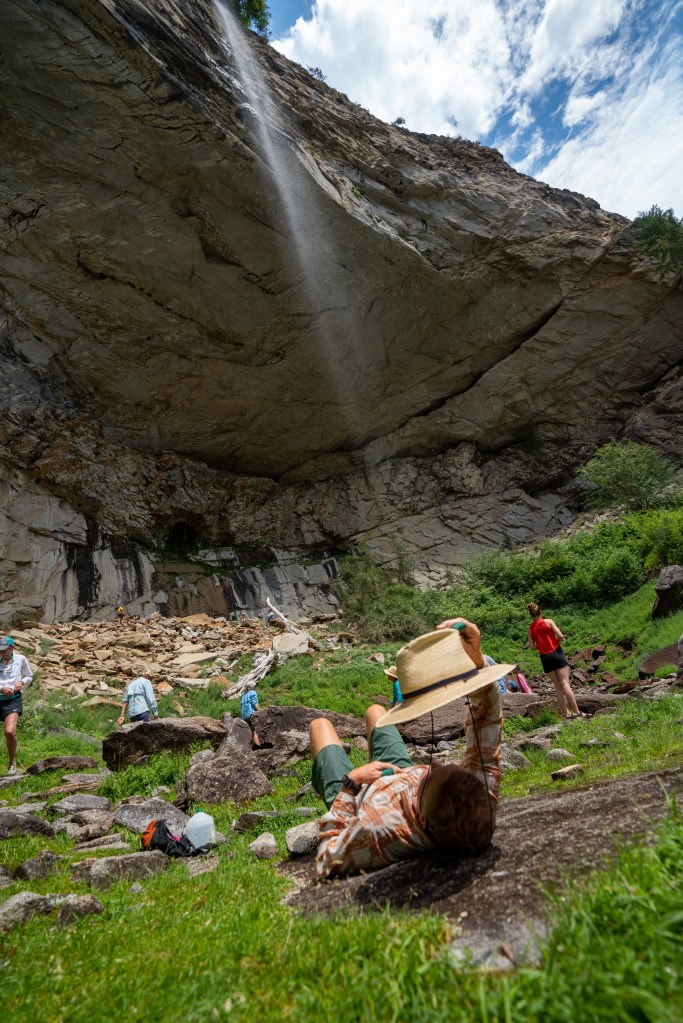
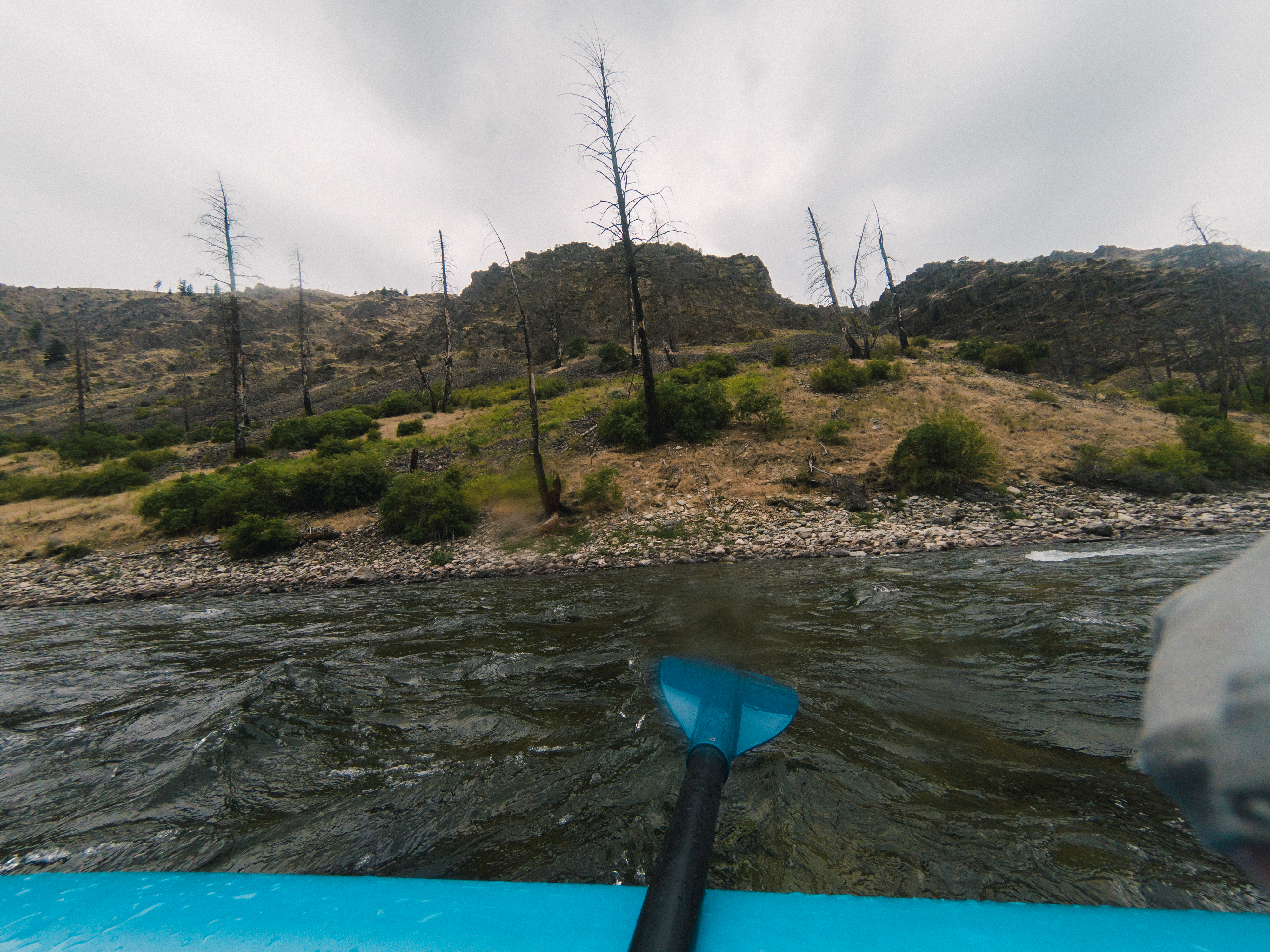
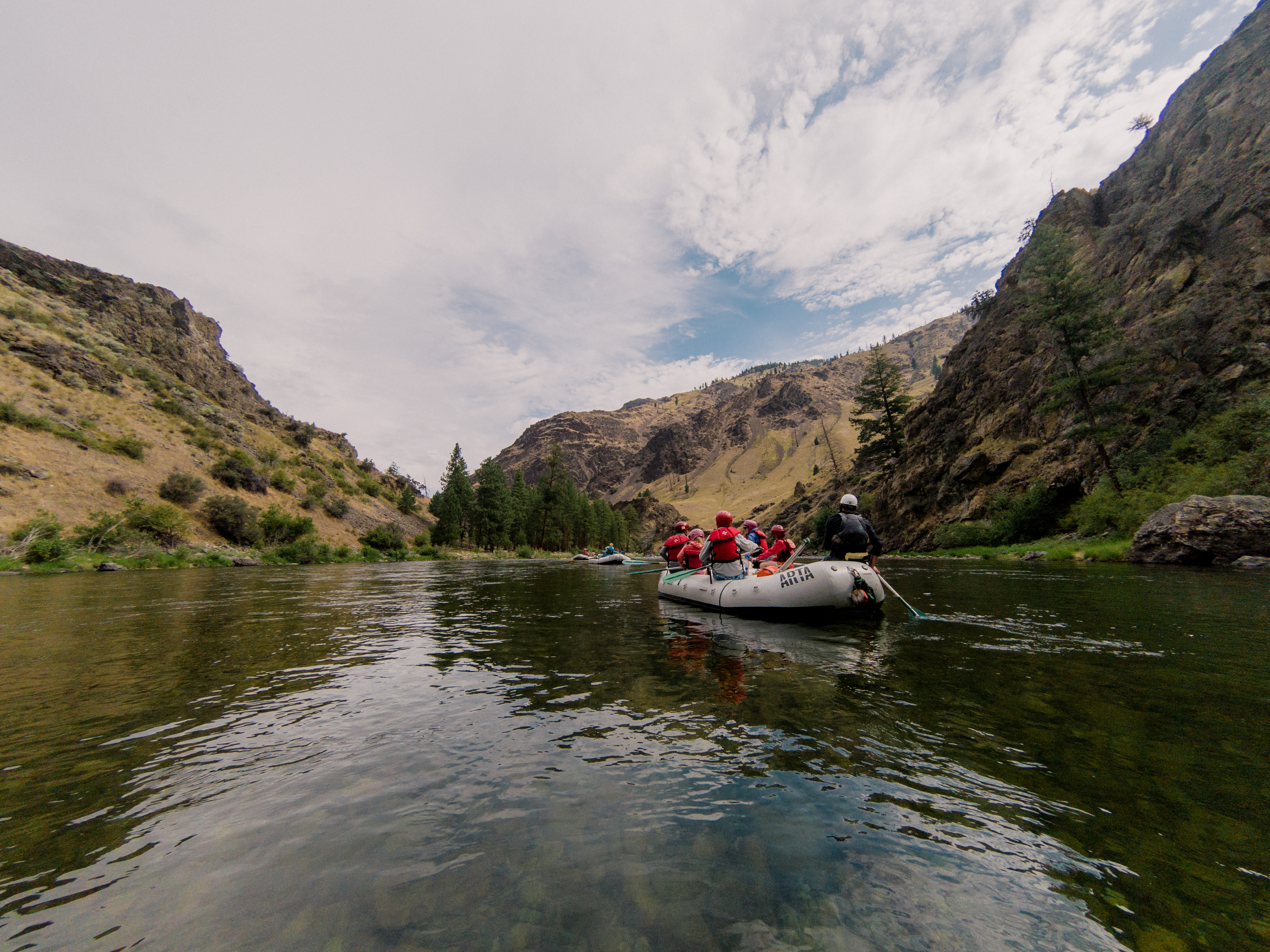
And then of course there is the rafting. This can be meditative, exciting, wet, and exhilarating.
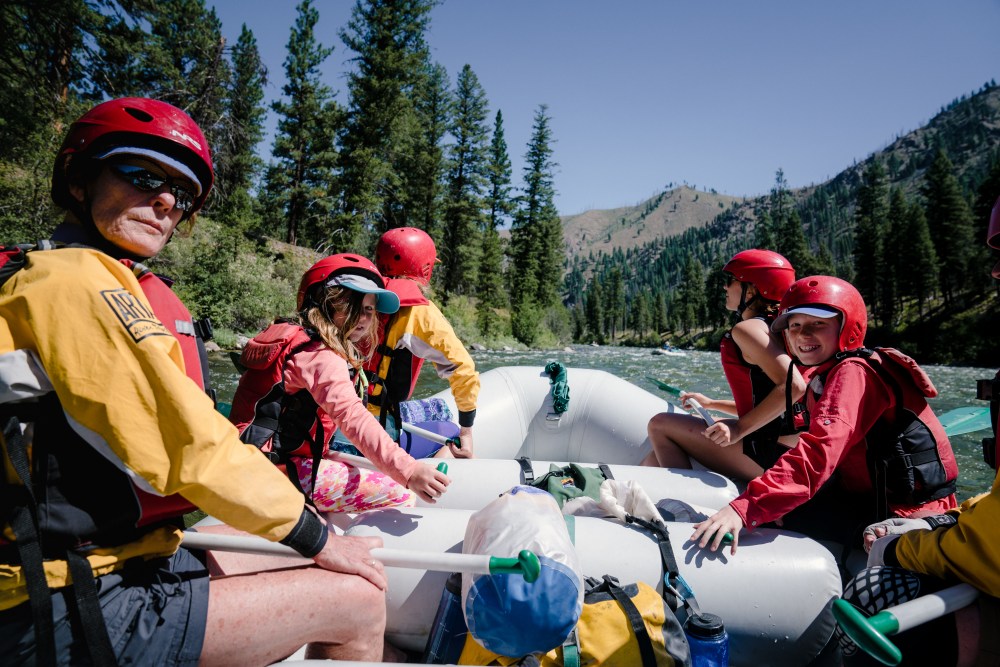
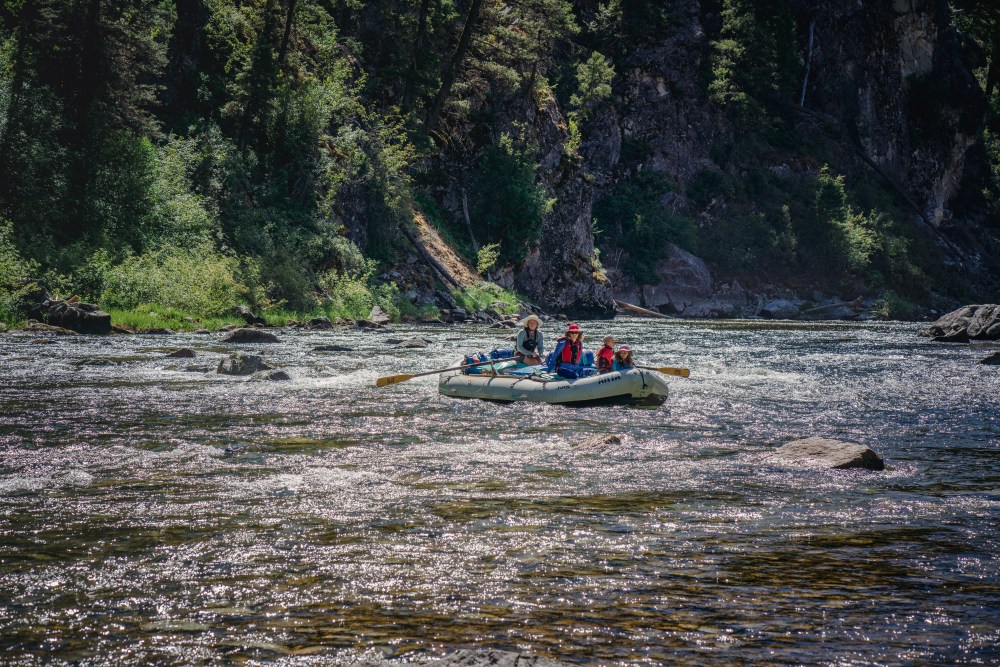
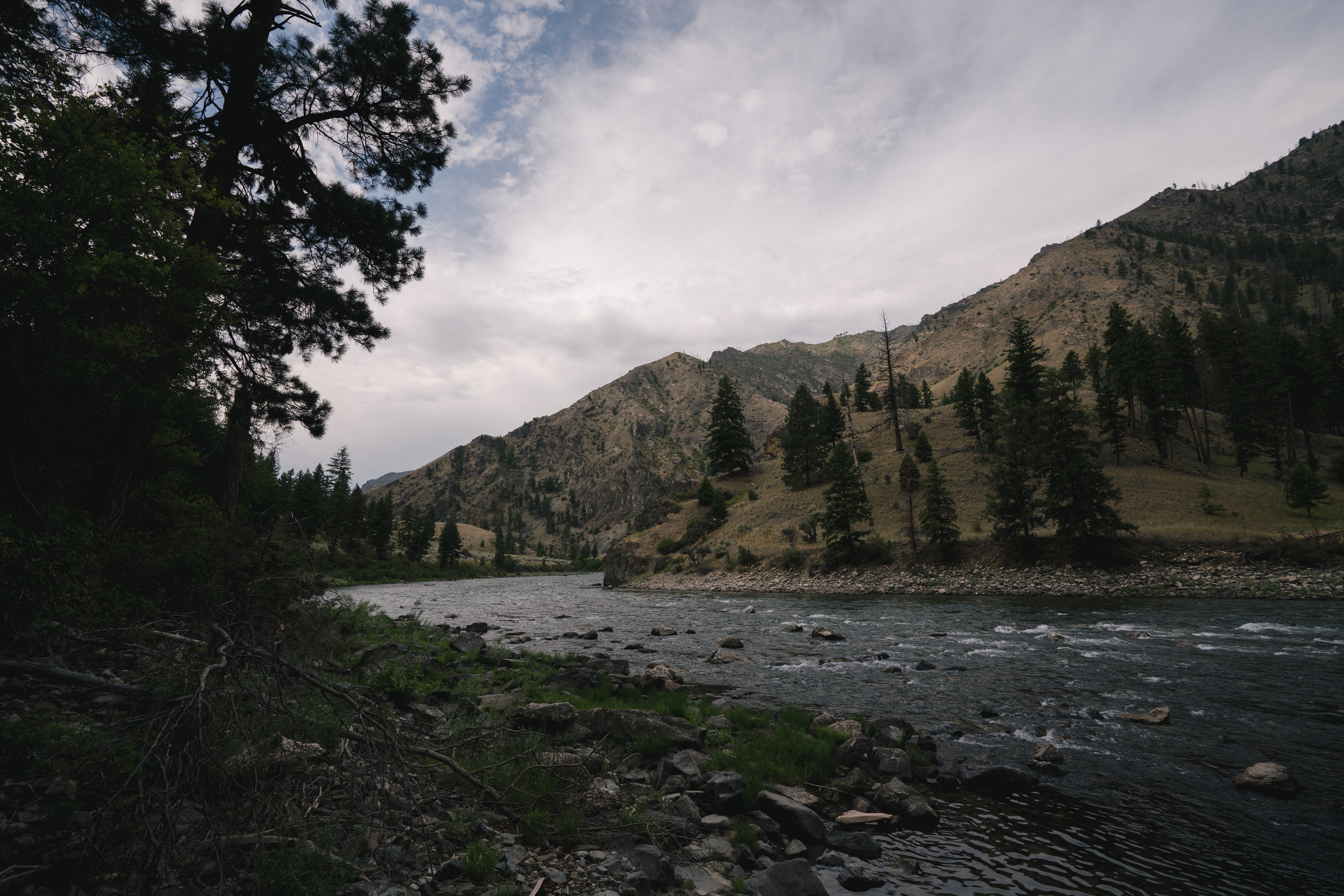
The rafting is nominally why we’re all there but it’s far from one big thrill ride. There are sections of calm. Sections of riffles. Sections of rapids. There are deep pools. There are shallow bars. Sometimes the valley is wide and open with no trees. Sometimes the canyon is narrow with steep cliffs.
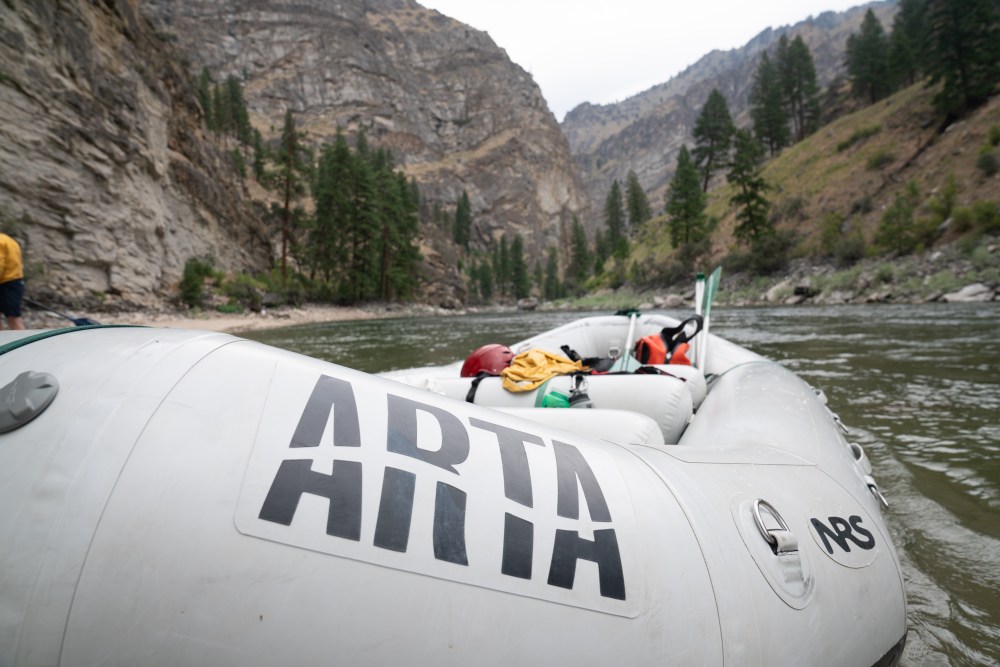
It can be easy to get focused on what class the rapids are but experientially, there are small, medium, and exciting. The class rating system is based not only on the “difficulty” of the rapid but also on the consequences of getting it wrong and ending up in the water. Some days there are many medium and exciting rapids and some days these are few and far between and it’s a mellower ride down the river with singing games or quiet meditation.
Most of the time on the river is about who you’re with. You get to know the others. You chat, swap stories, talk about what you do. There are times you can swim along next to the boat and times where you need to be focused. The river dictates everything.
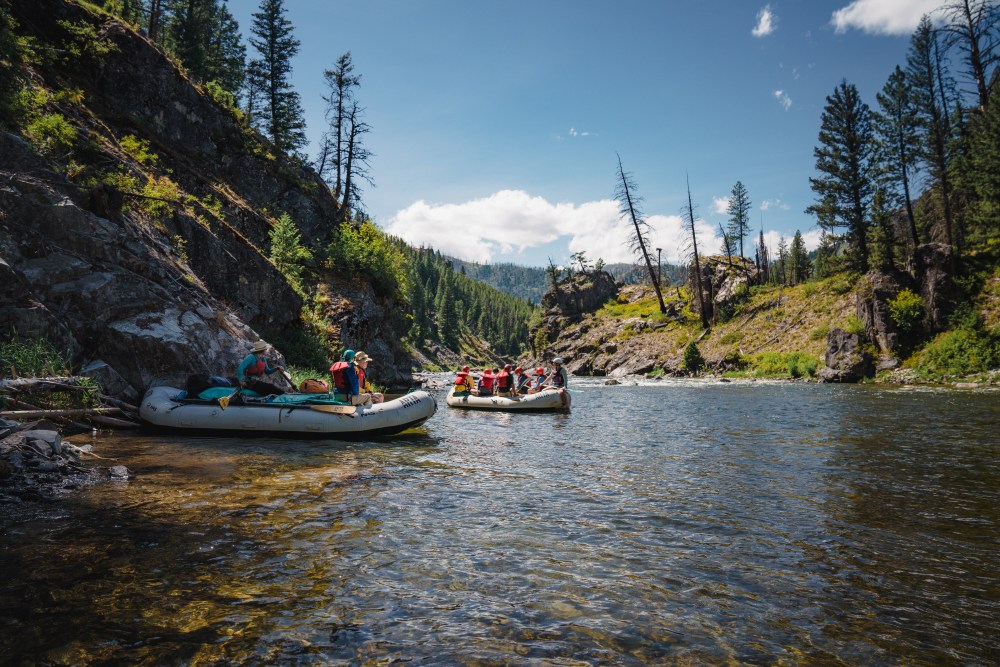
The group travels as such. Boats tend to remain somewhat in sight of one another. The Dukies tucked between the two paddle boats. The trip leader in an oar boat in front. Sweep oar boats at the back. When a Duckie flips and there is a swimmer – in this case Jenn – things go from low key to drama quickly. Calm returns when everyone is back in a boat.
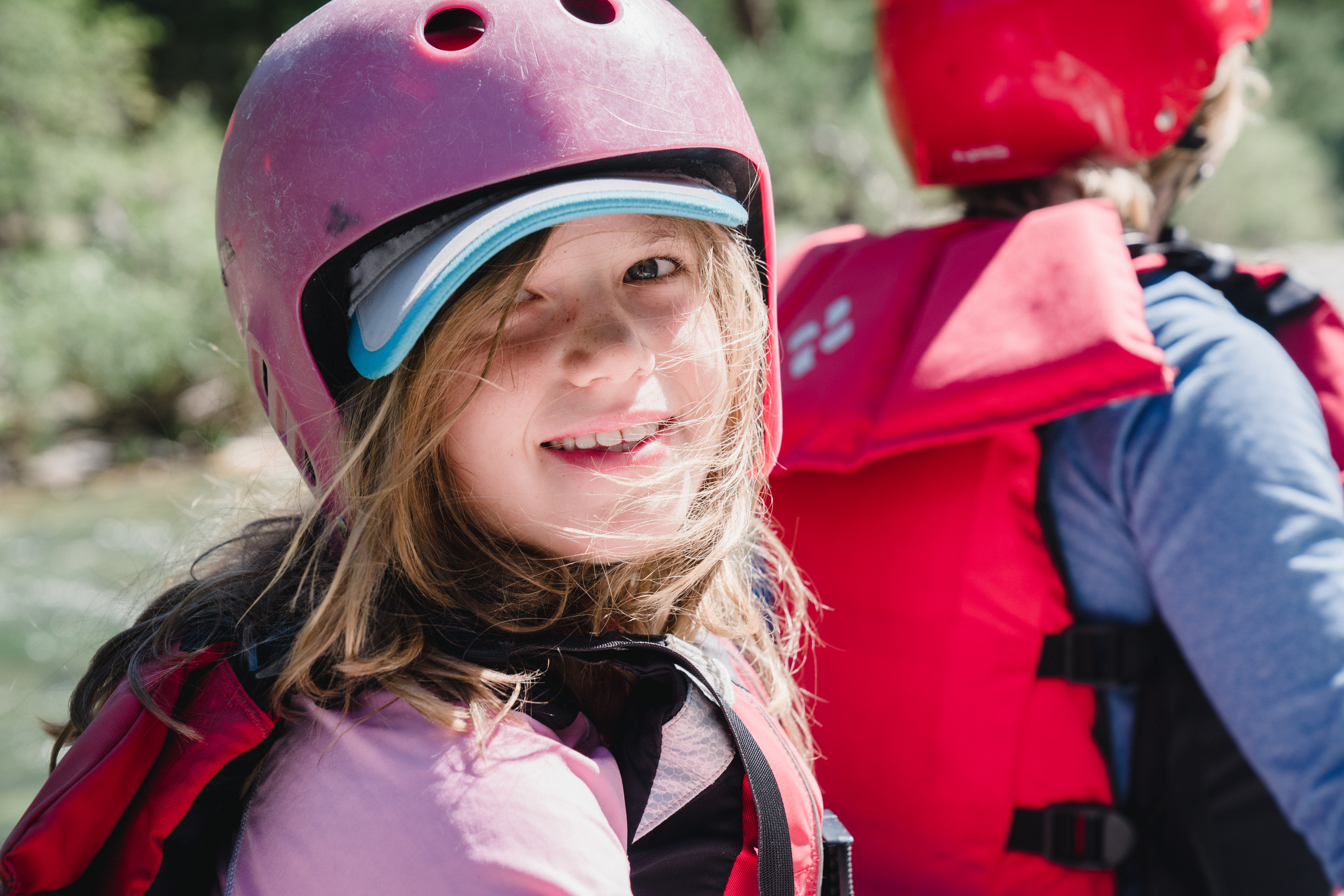
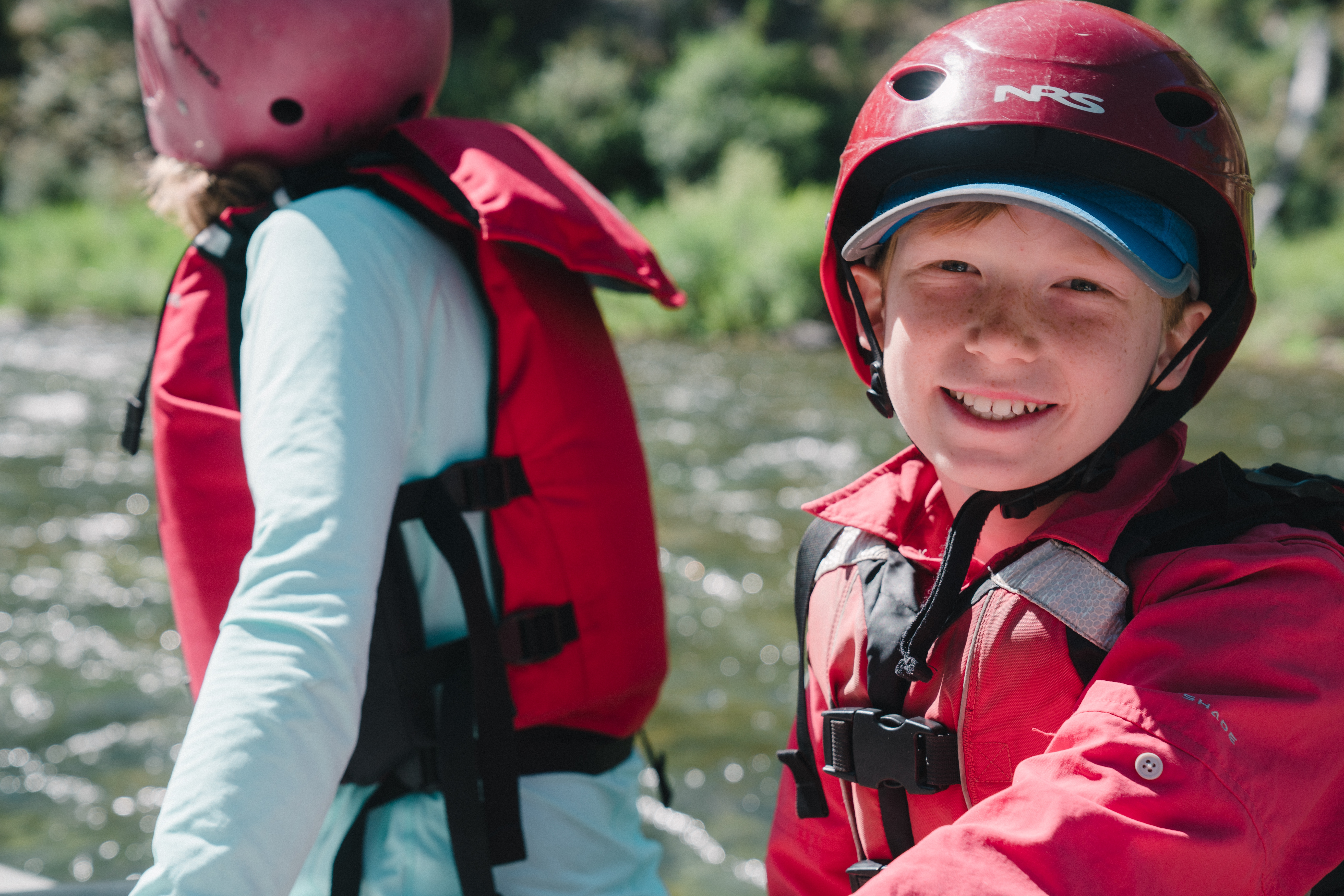
5. Lunch
We become the family that lunches. It’s always a treat when the guides tell you it’s lunch time. This is a time to take off the PFD and helmet. To warm up in the sun or find some shade. To reapply sunscreen. Most importantly, to eat. Even our picky eater will typically find something.
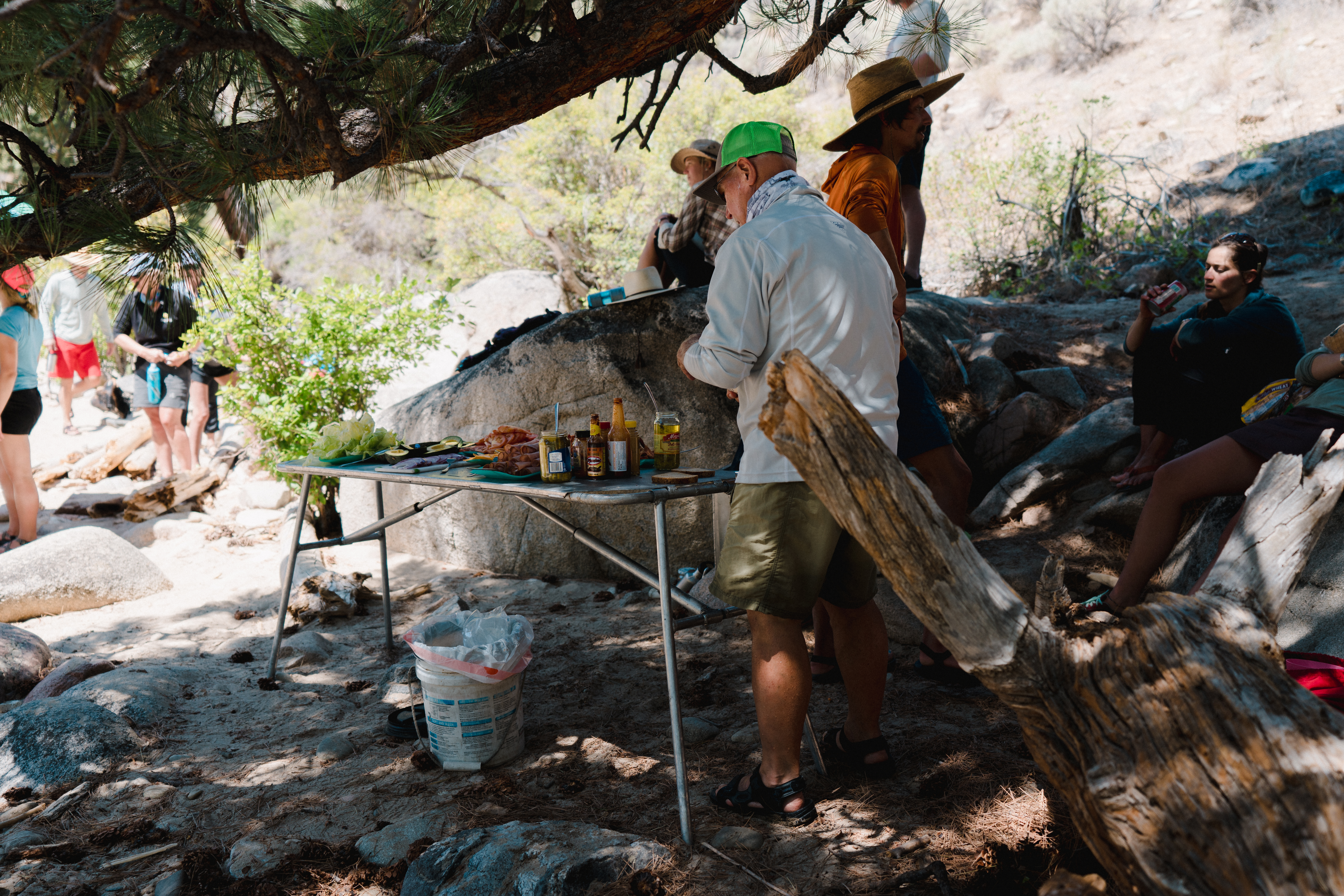
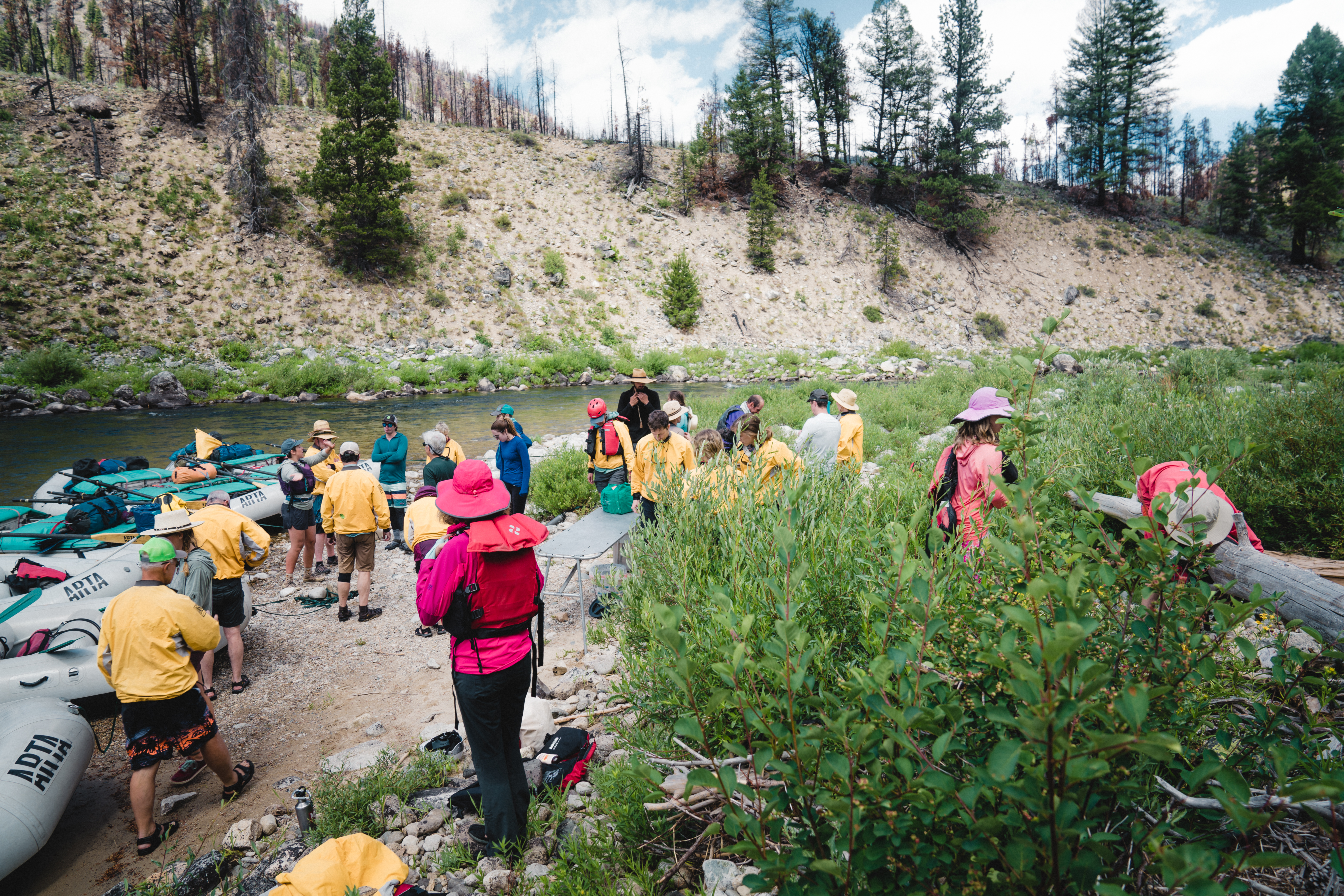
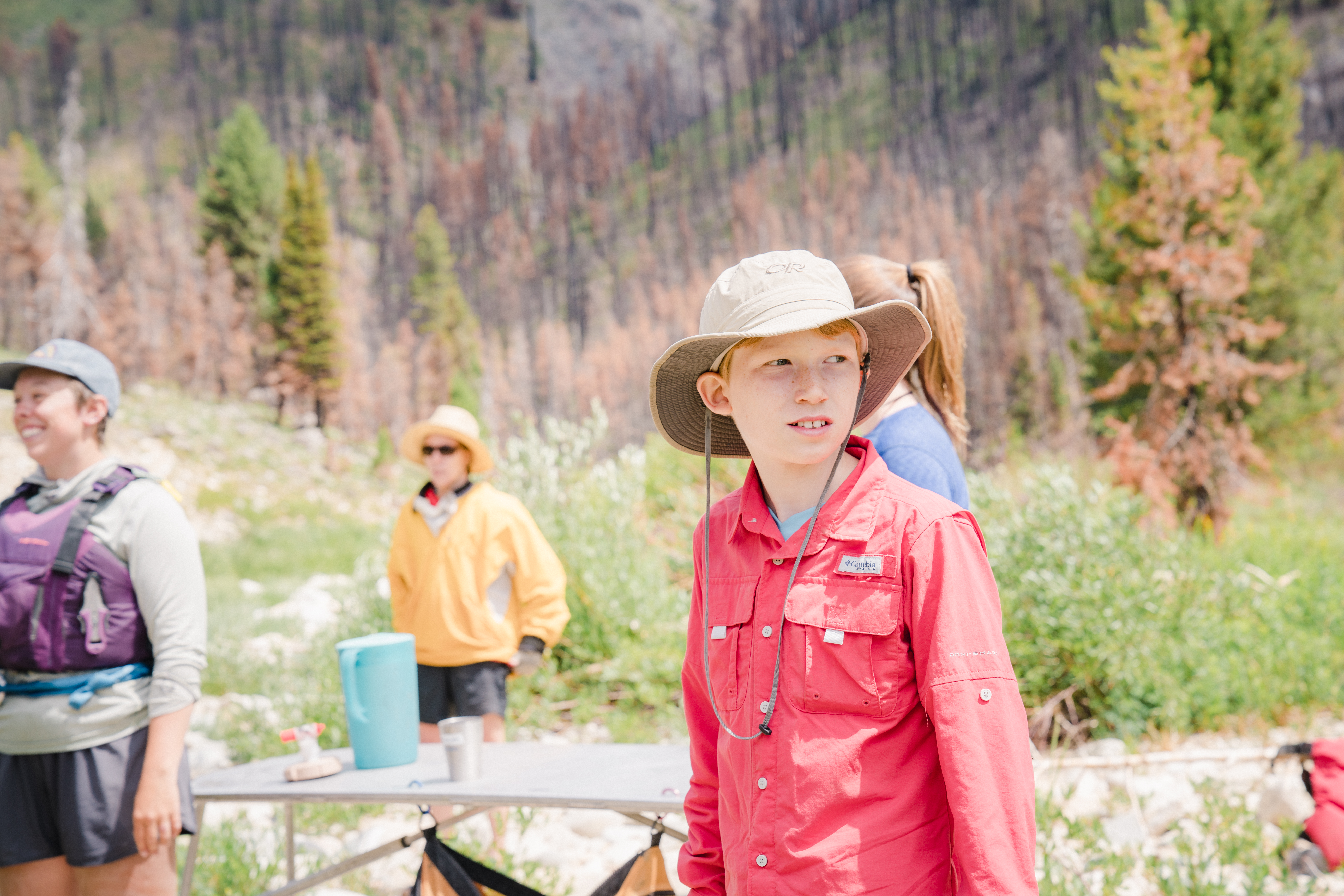
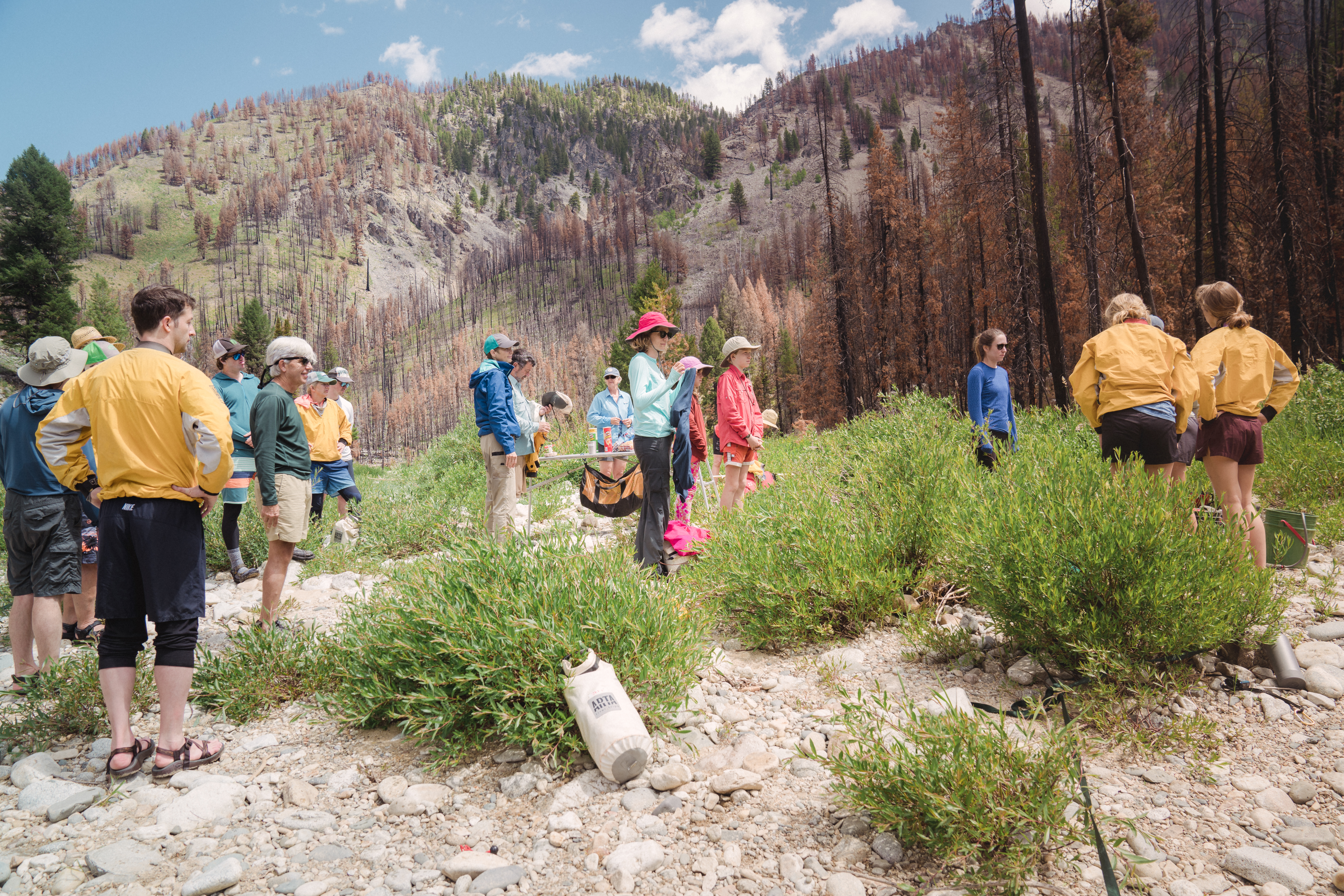
The lunches vary from excellent to outstanding. You tend to get to make your own sandwiches or wraps or ditch the bread and eat from a bowl. There is fruit. Carrots. Oreos – so many Oreos. For our kids, the highlight is the Pringles.
6. Camp
Ostensibly we’re there to raft. This is a raft trip of course. But it’s camp where you get to hang out. No paddling. You’re dry. You can get out of the sun.
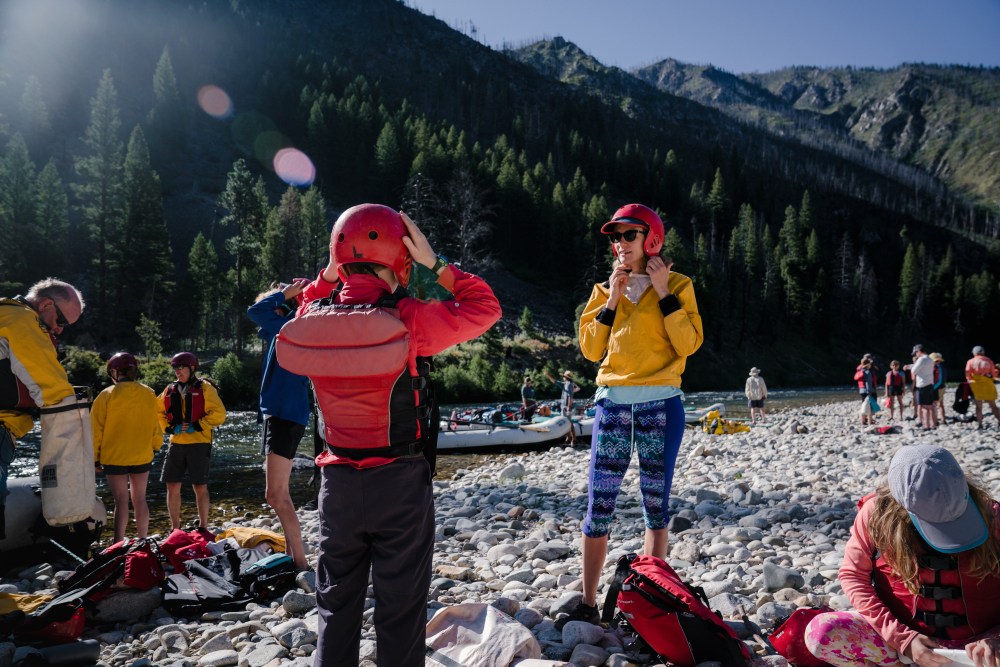
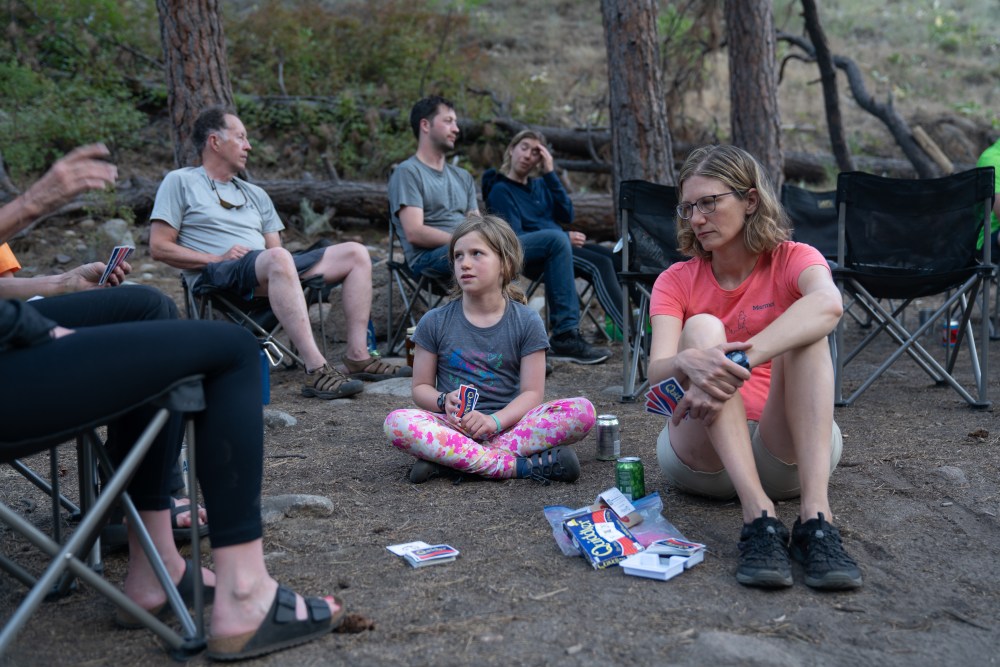
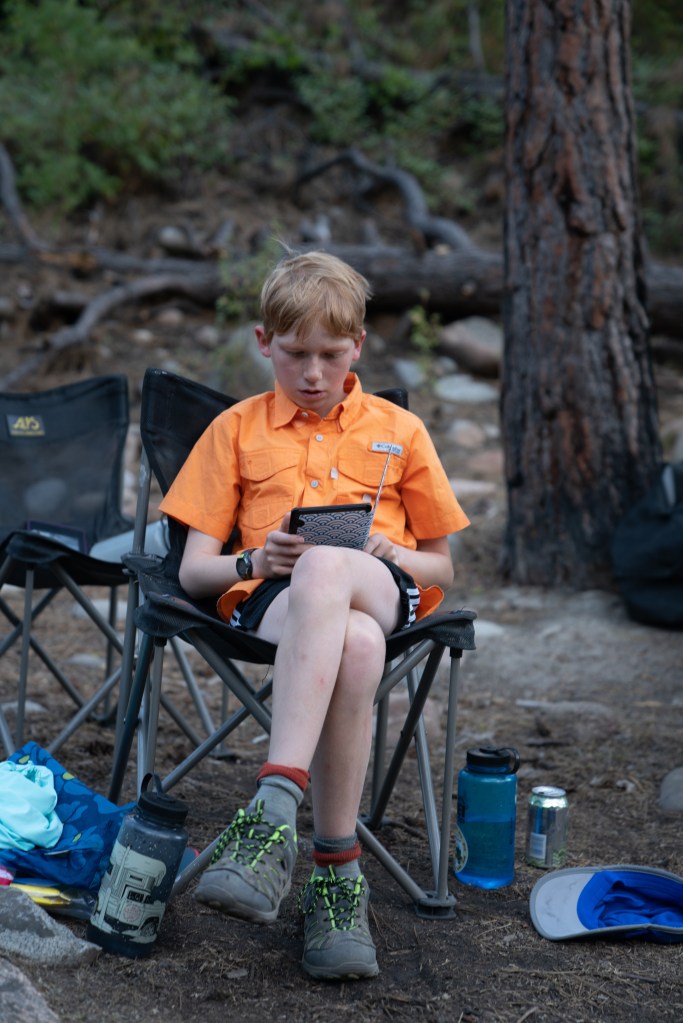
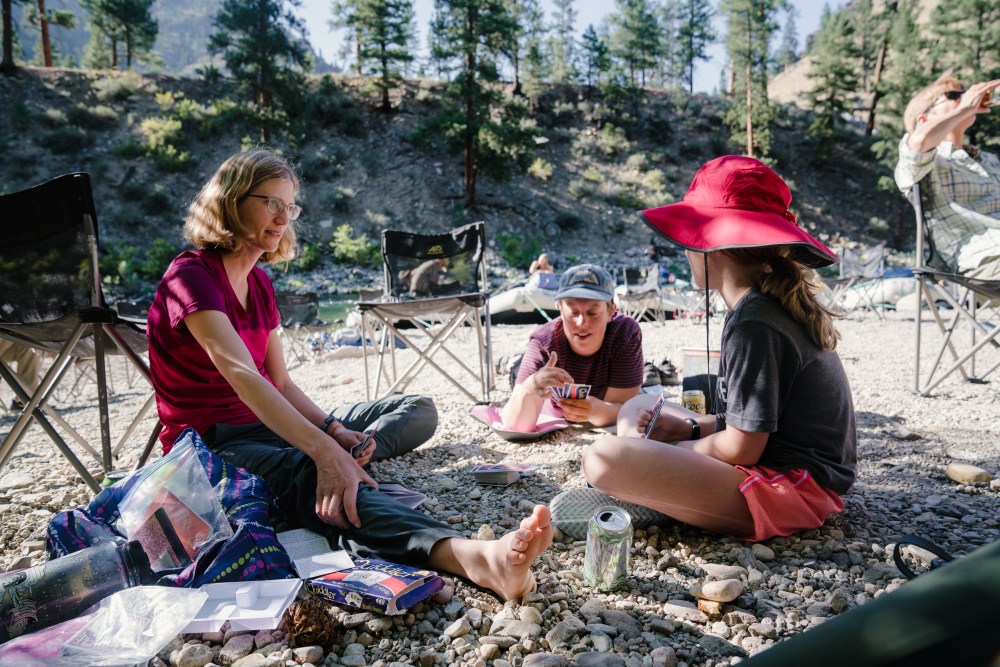
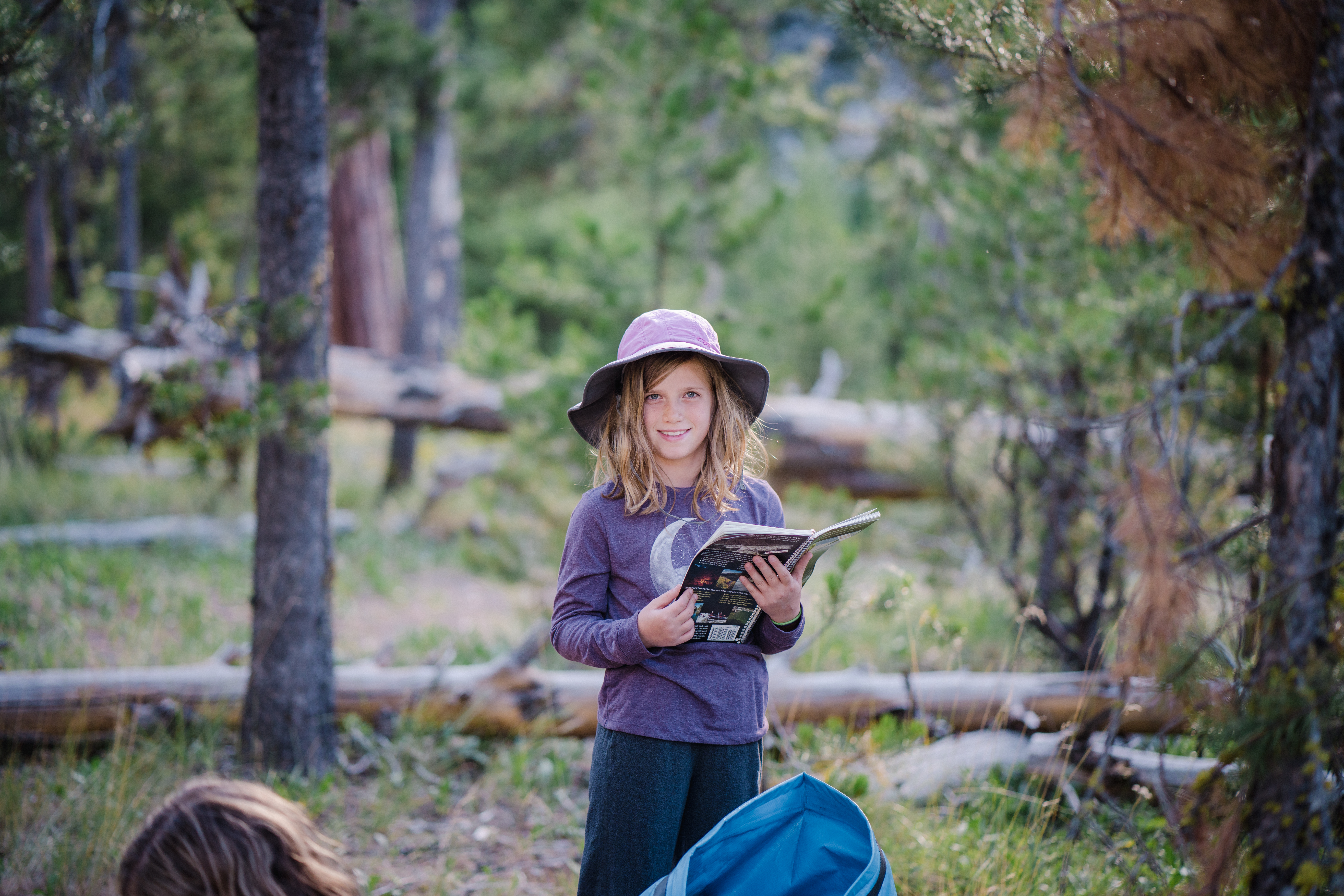
The drink cooler comes out. Cards come out. Books appear.
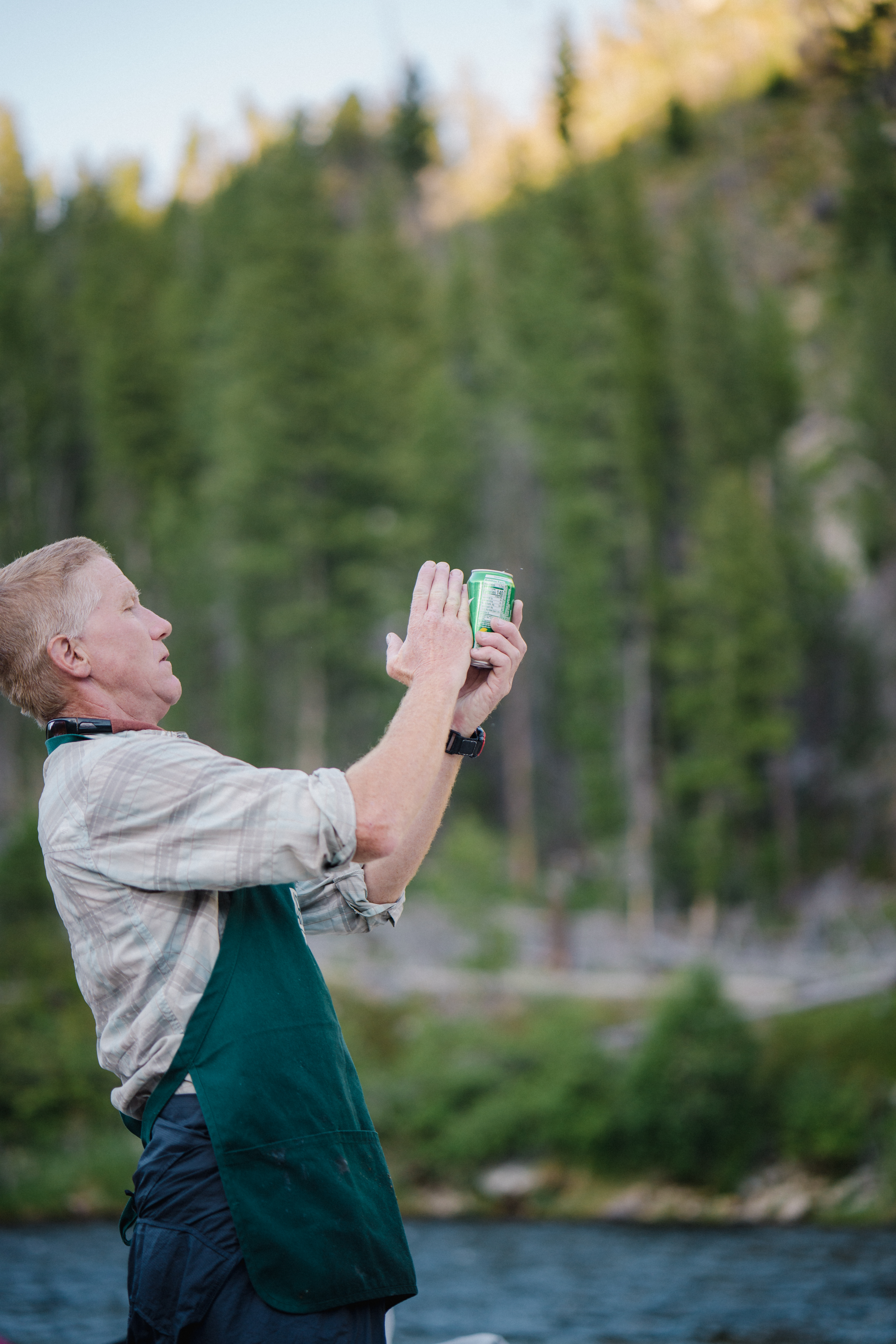
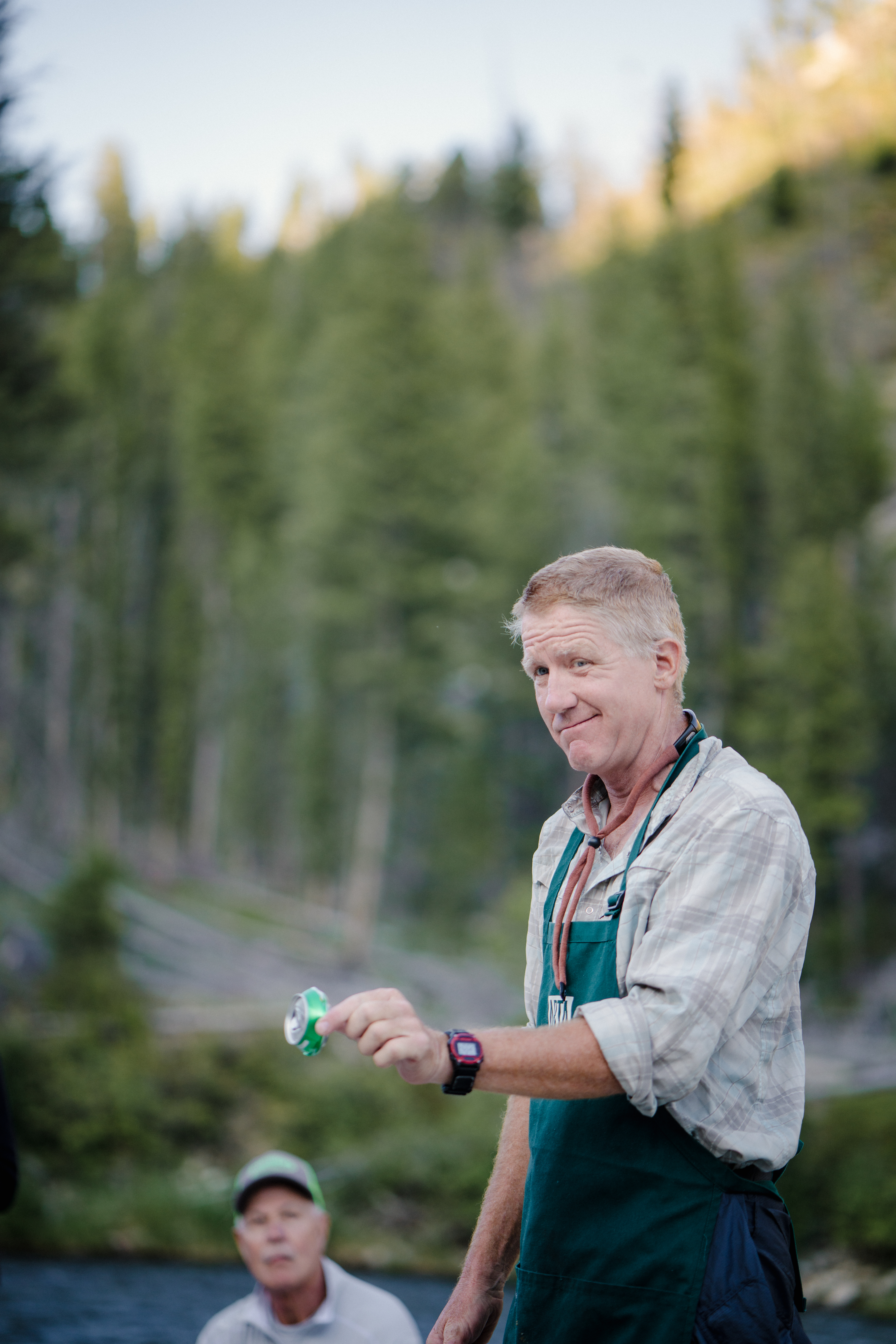
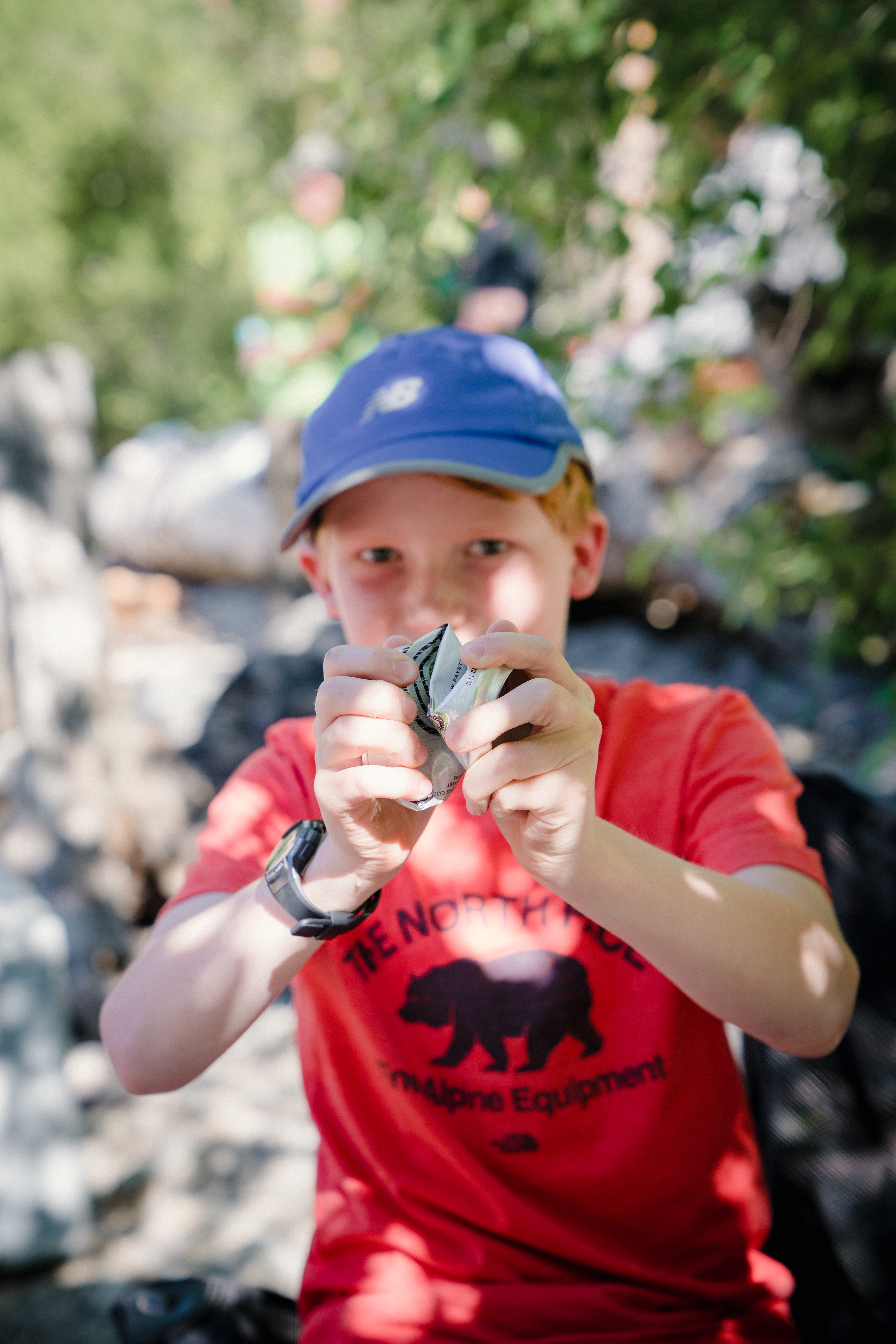
We learn to neatly crush a can with our bare hands.
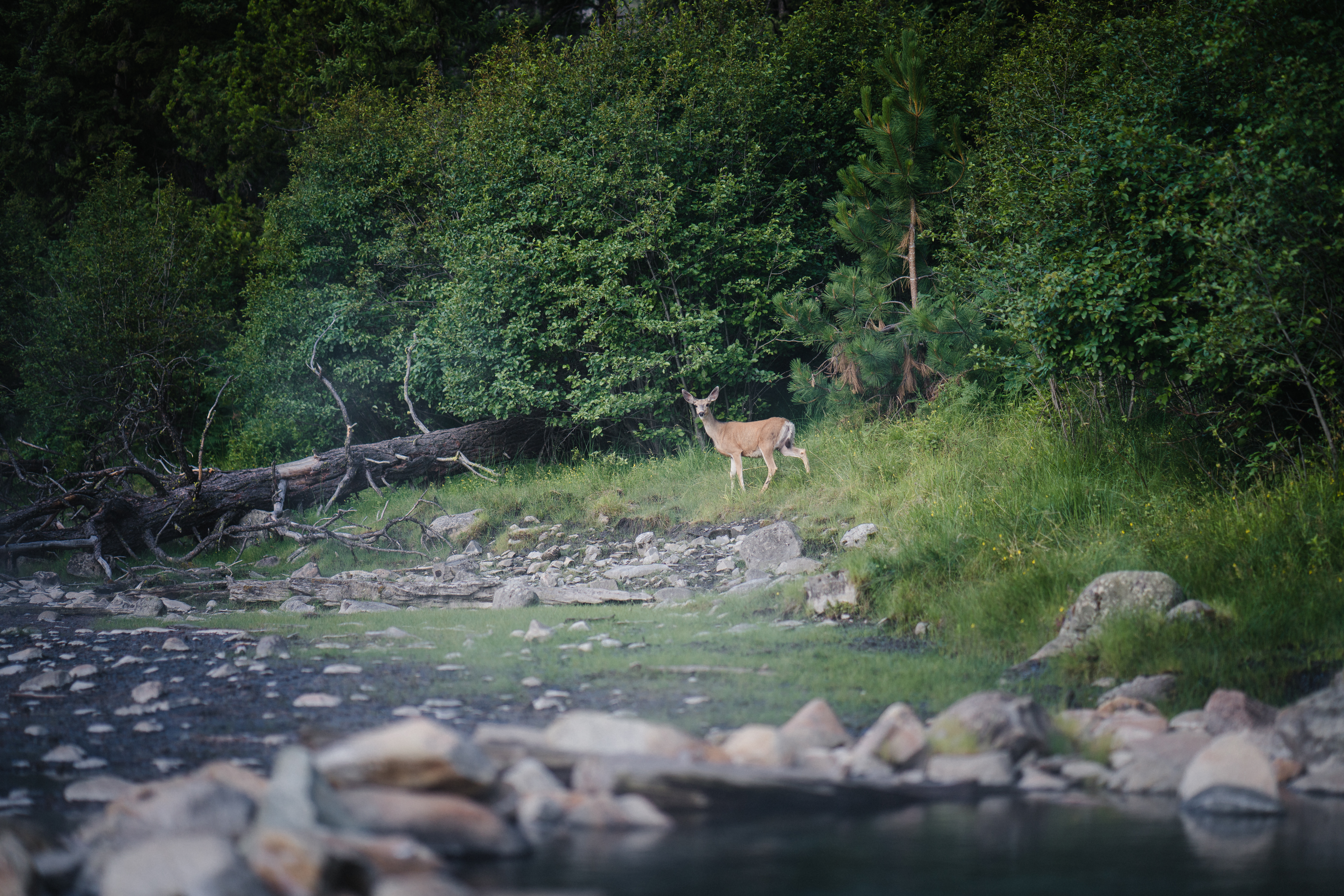
Some camps have hot springs and larger wildlife.
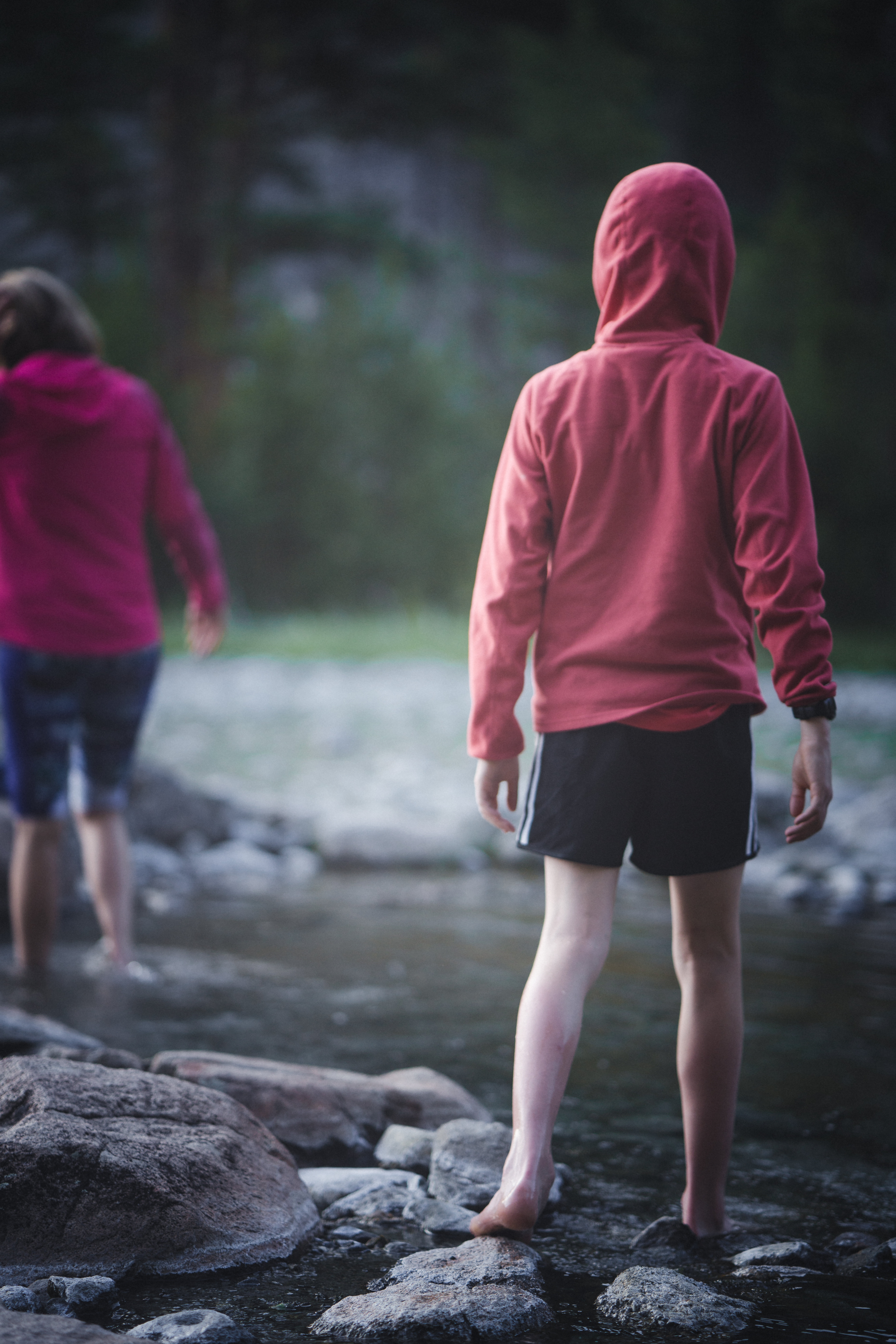
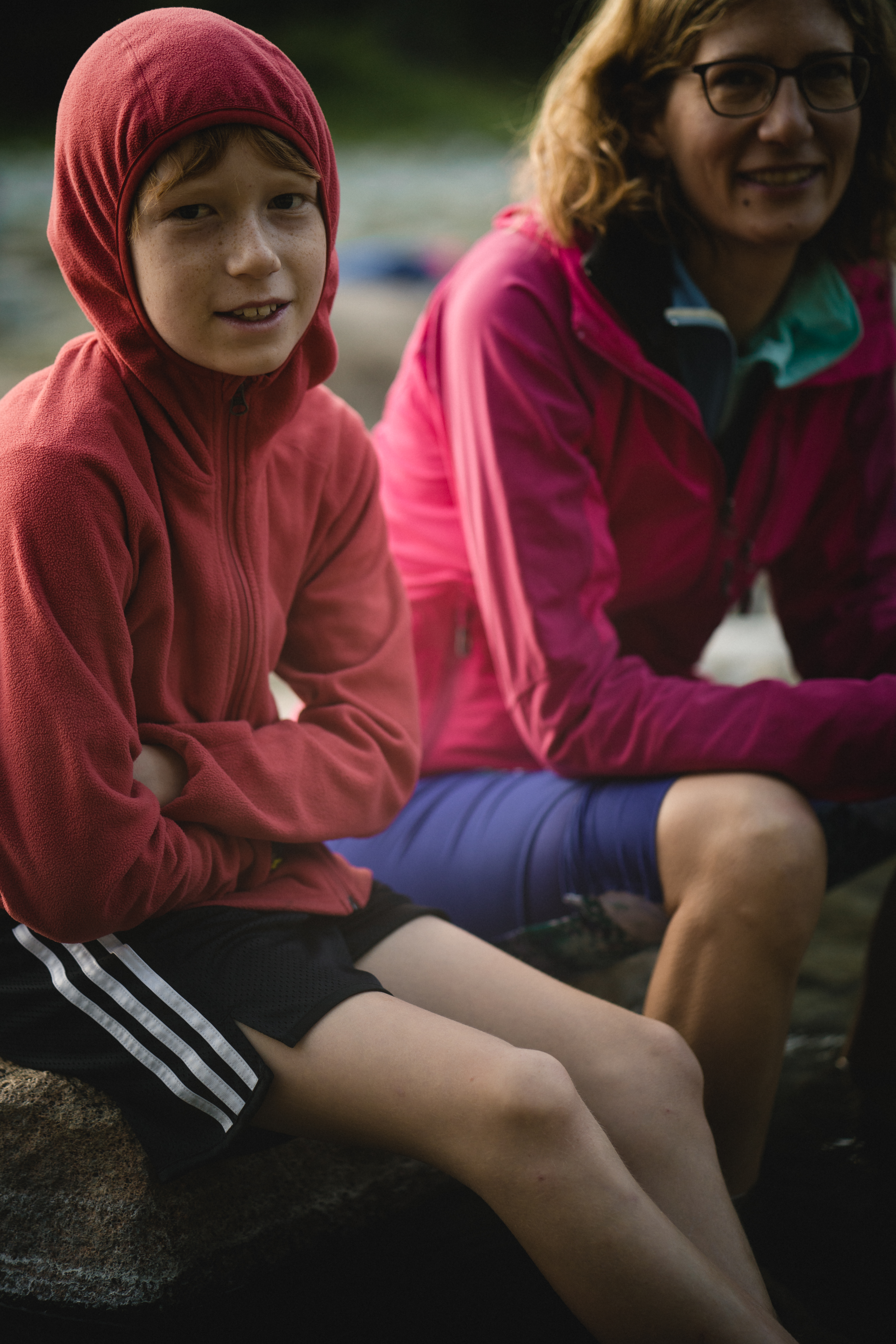
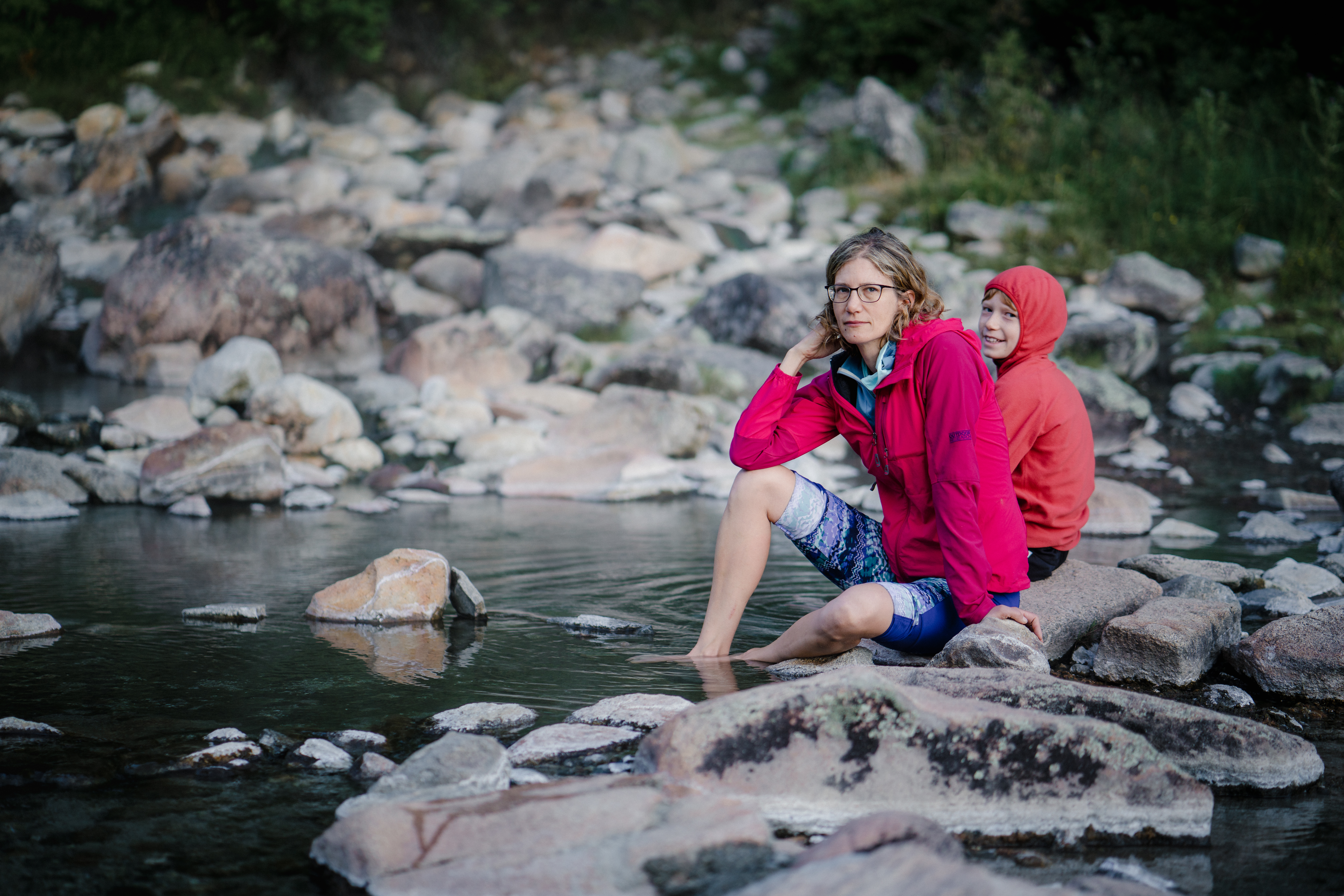
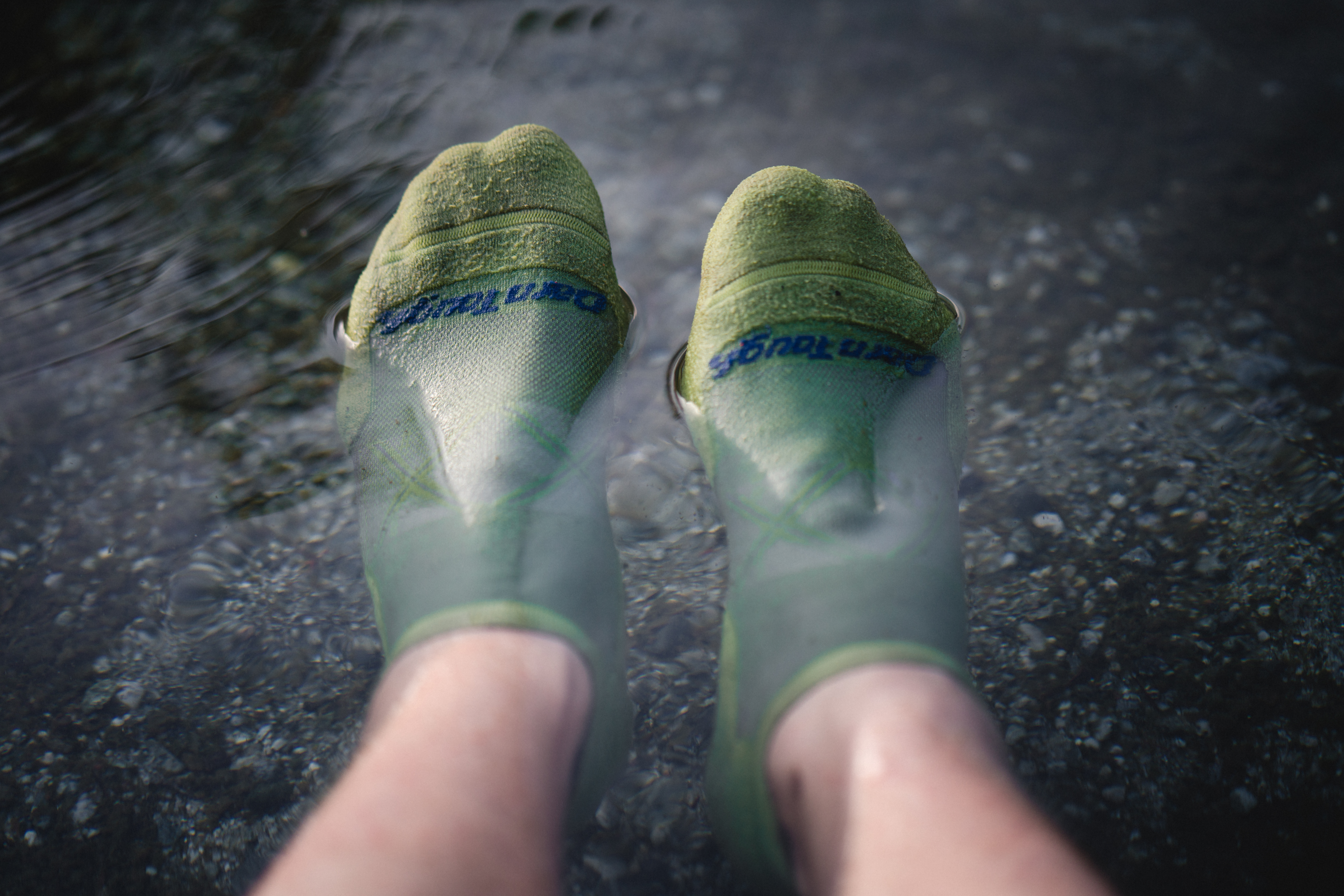
Generally there is time to relax before the guides are busy with dinner prep.
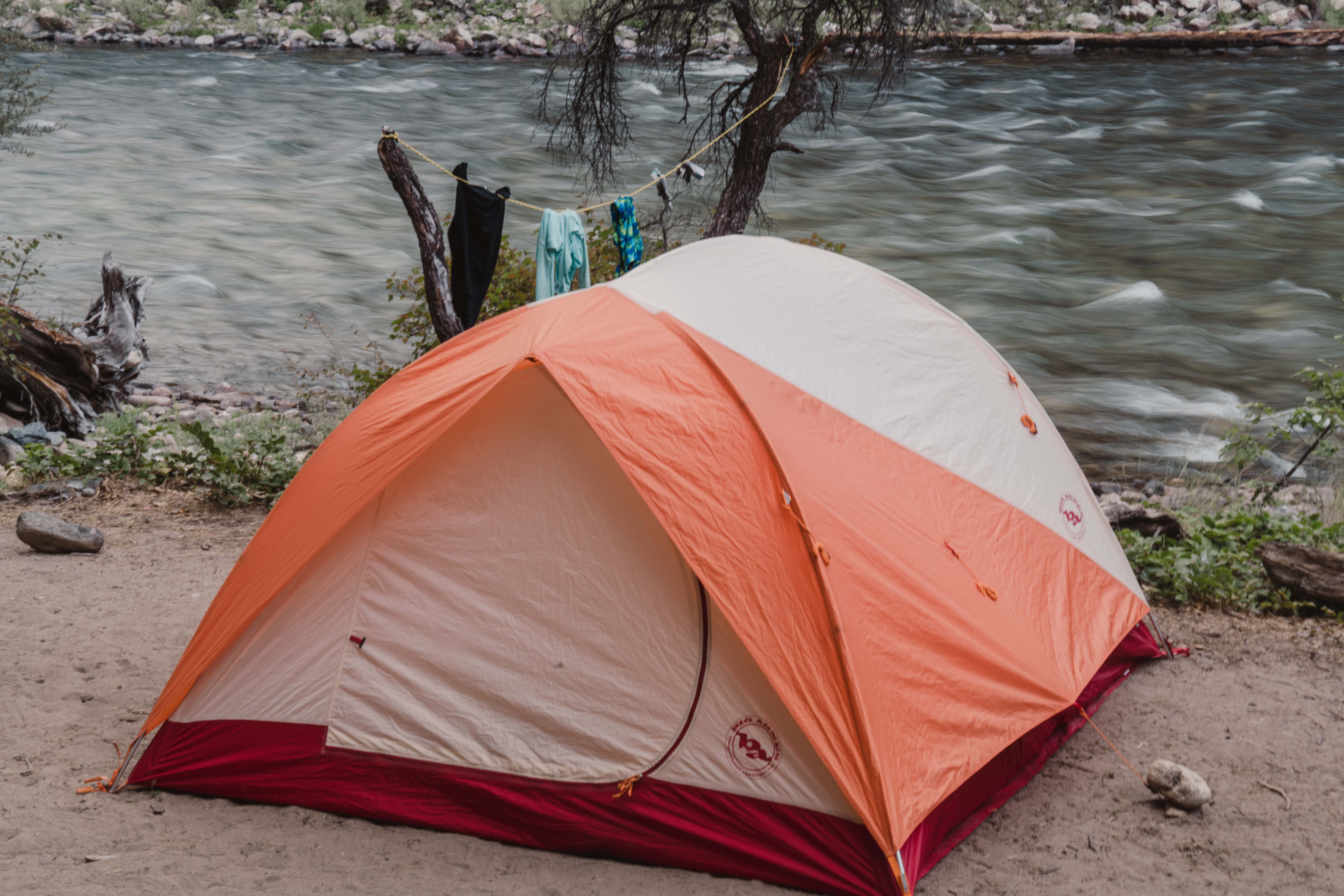
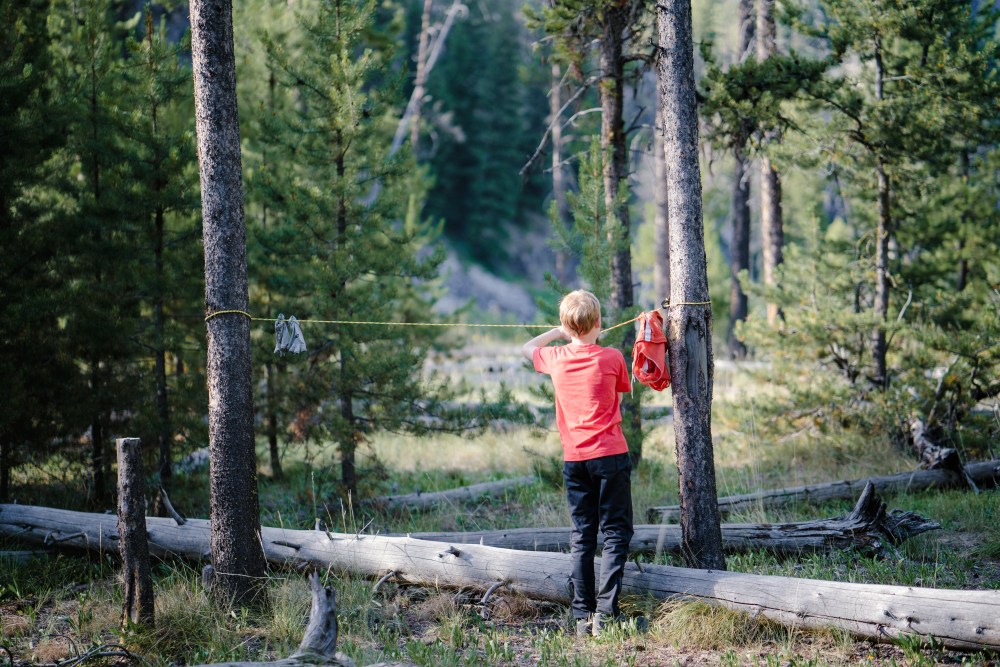
The routine starts with unloading the boats via a “fire line” – guests and guides alike. Tents go up and sleeping pads and bags are arranged. Unsurprisingly, we tend to explode out of the dry bags with packing cubes everywhere. We hang the wet clothes to dry.
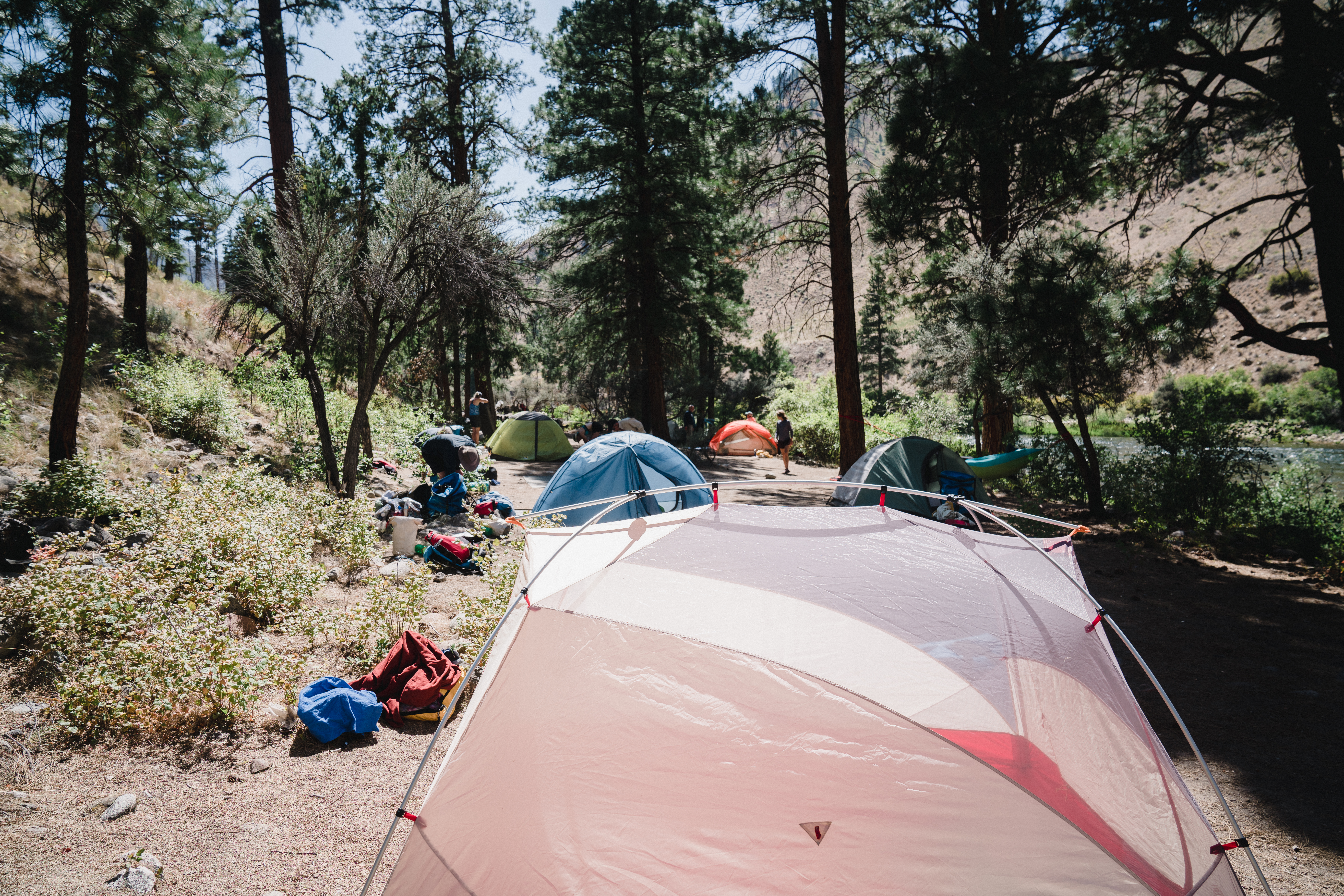
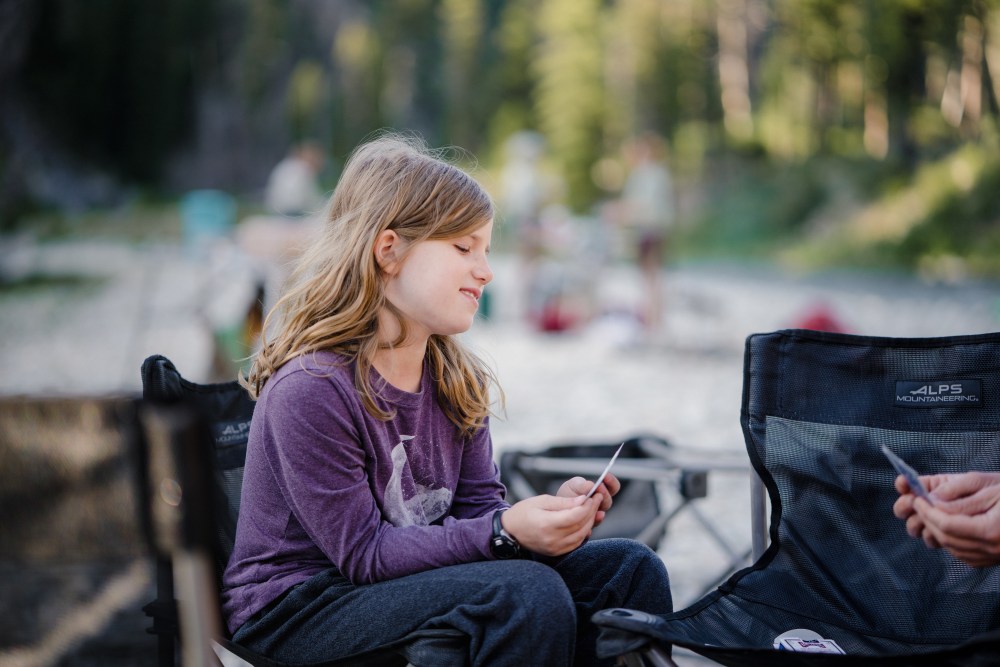
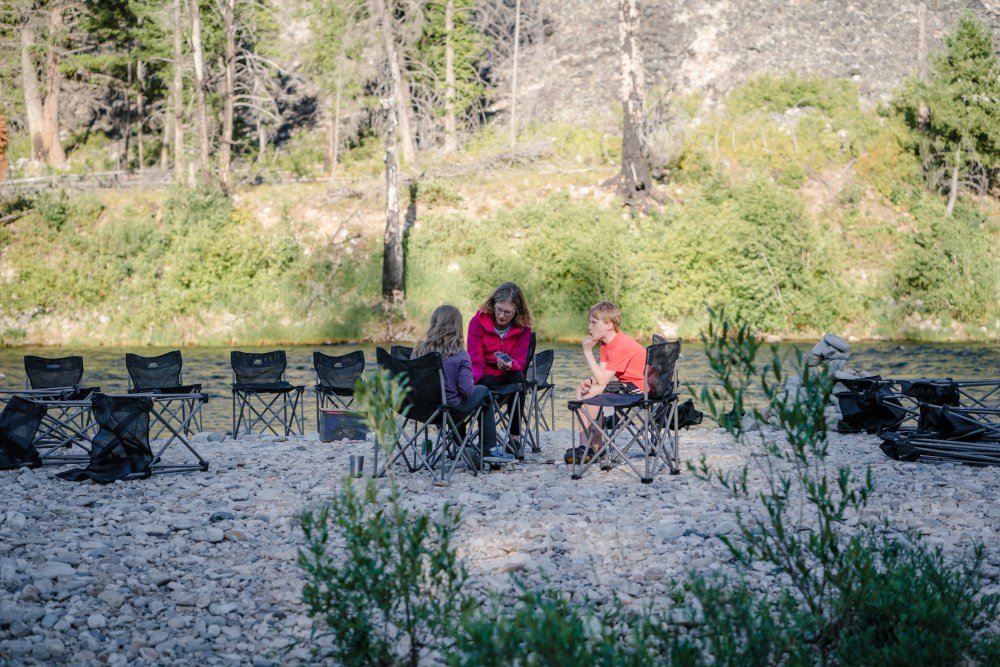
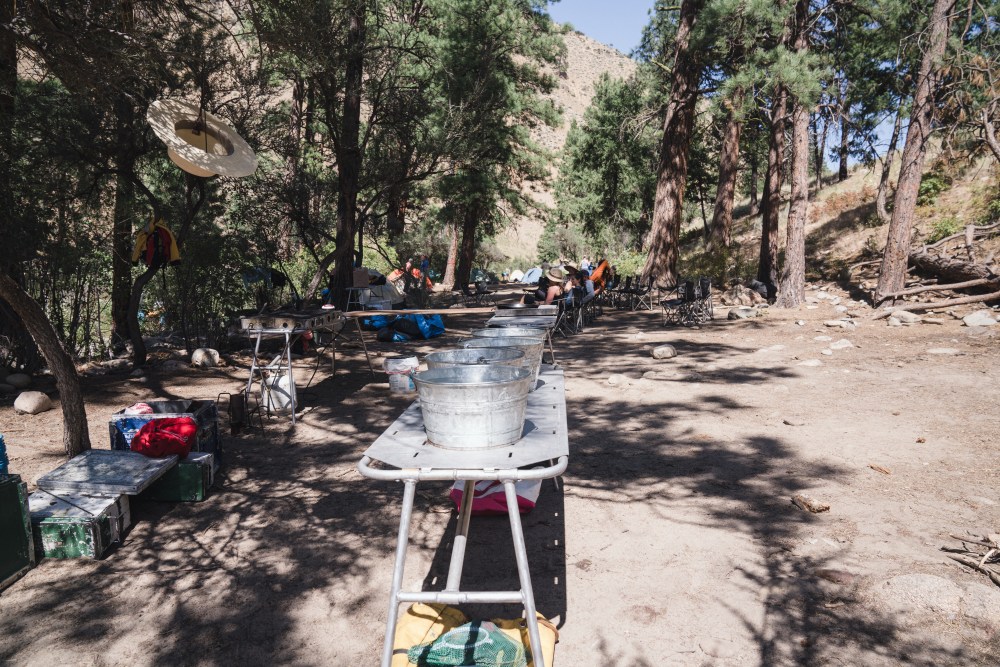
Chairs – yes, real, comfortable chairs – are arranged. Tables are arranged for cooking and cleaning. There is plenty of time to play.
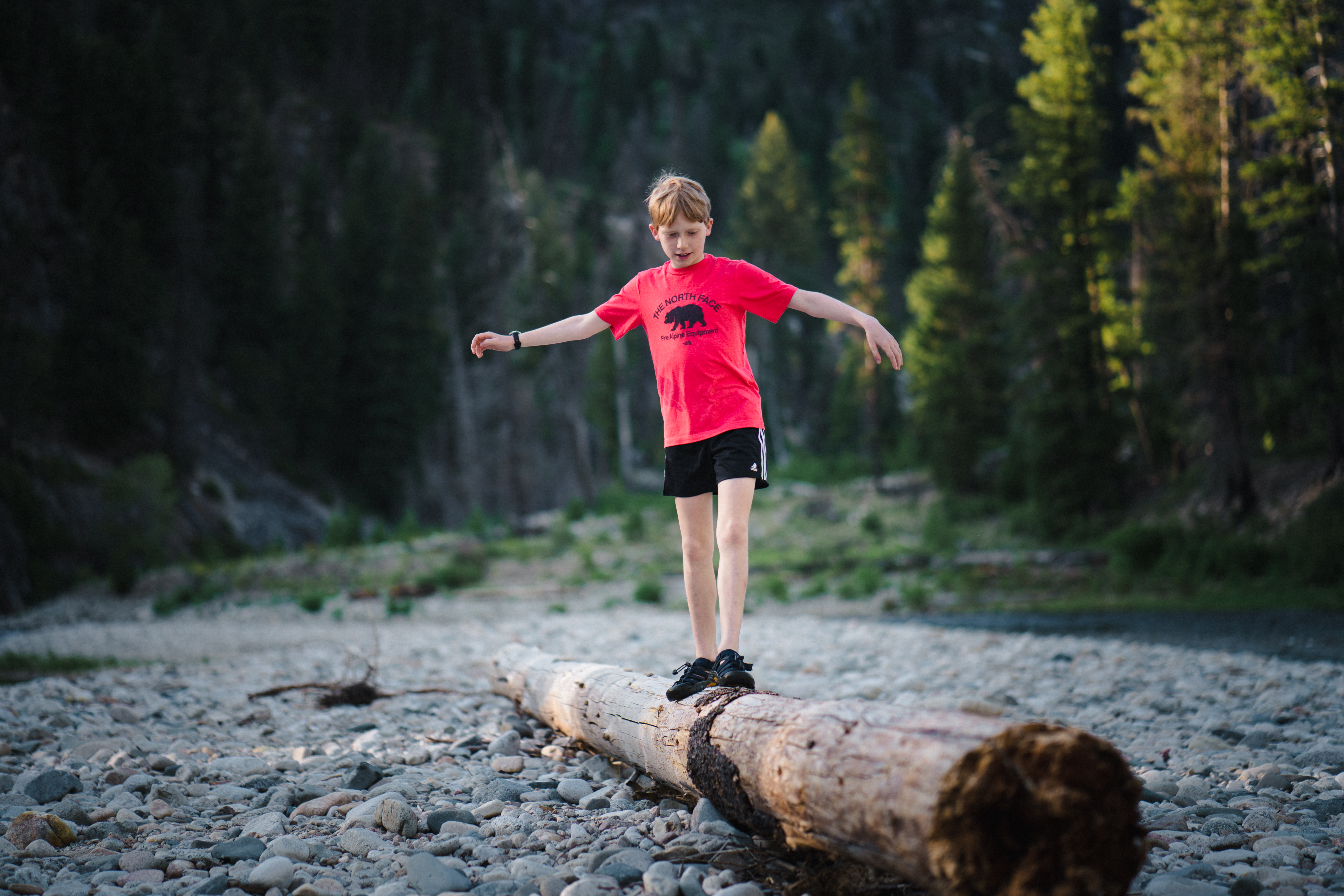
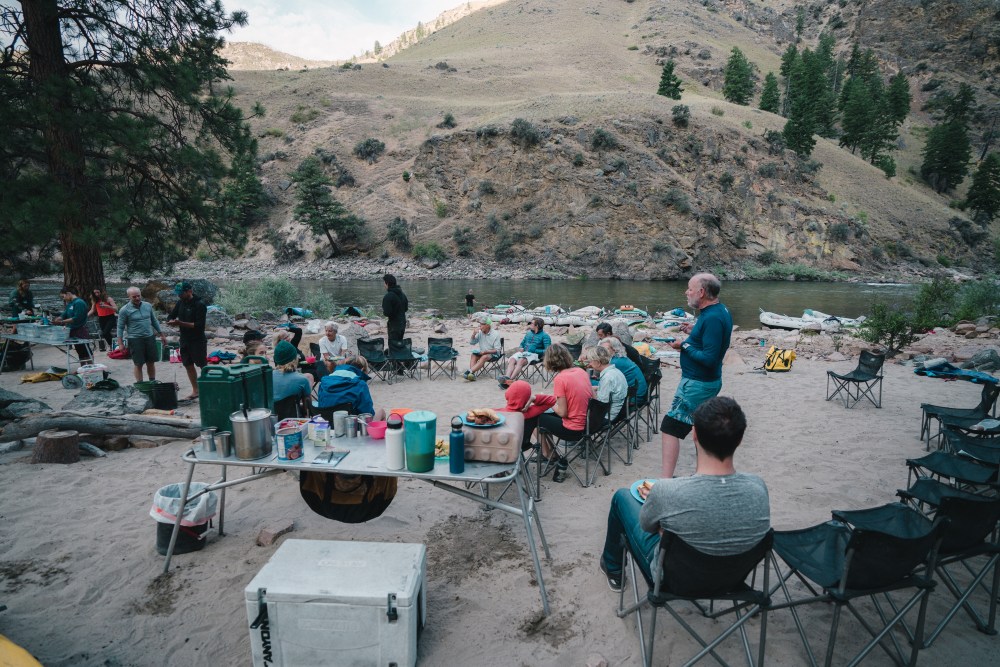
This is far from backpacking.
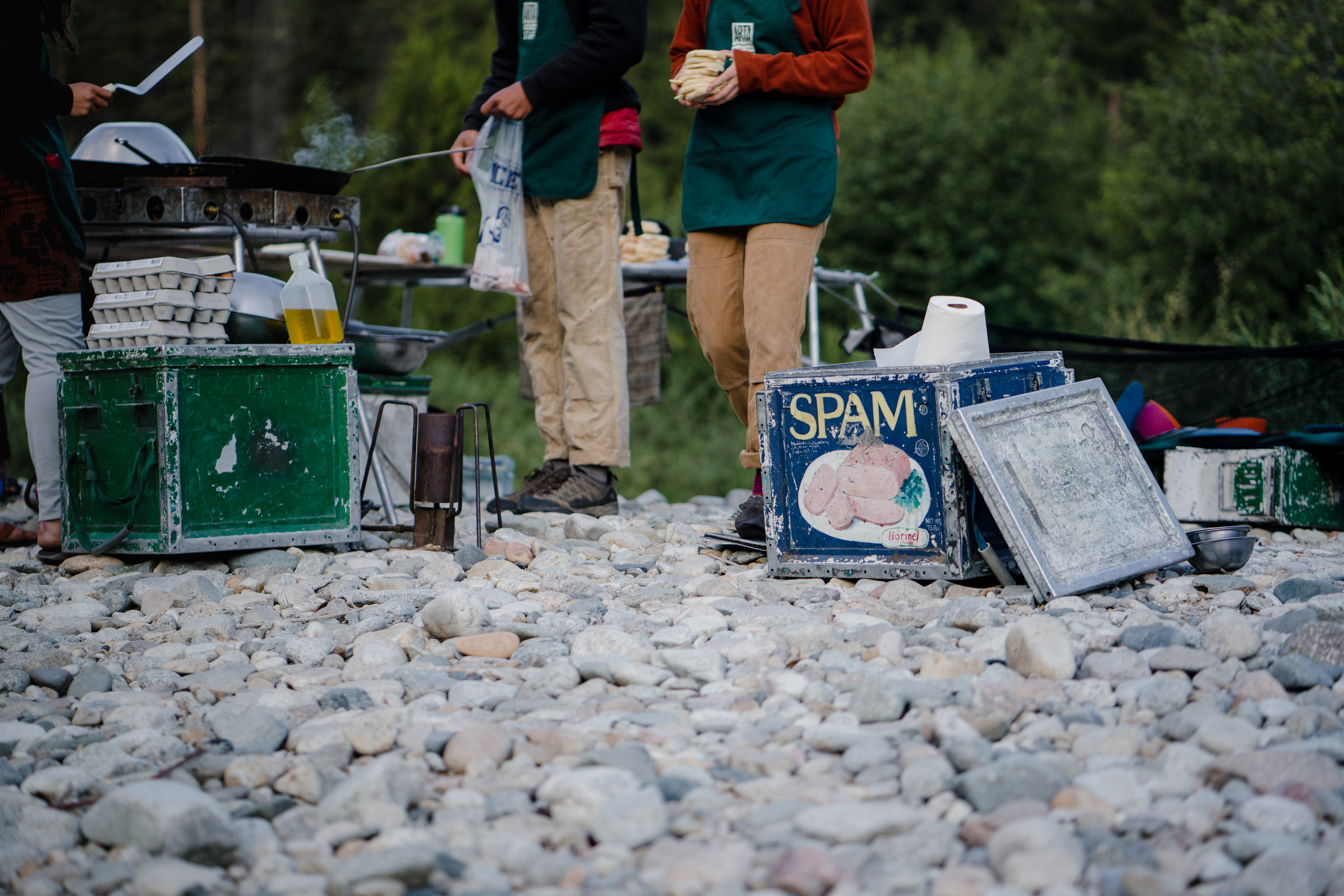
If lunch is outstanding, dinner only tops that. Salmon. Steak. Pesto pasta. Burgers. It’s all slightly over the top for us. Regardless, it’s delicious. Our vegetarian always has something special to eat. The evening starts with appetizers and ends with desert.
After dinner our musical guides strum guitars around the camp fire. The final night is the talent show when we dig deep to find our special talents. In our case, joke-telling.
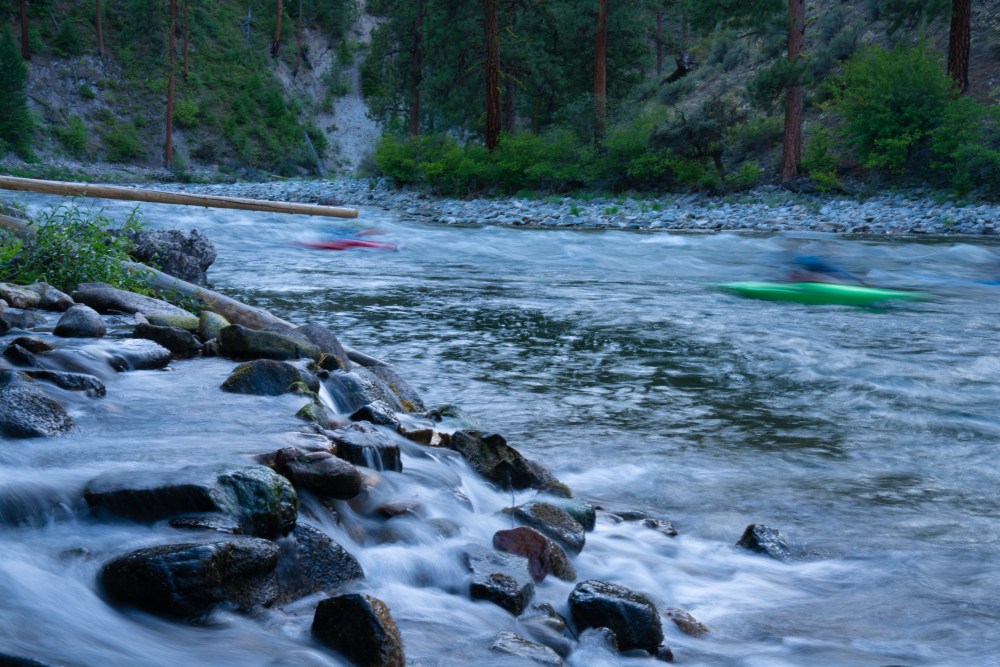
Frosty beverages. Playing. Dinner. Camaraderie. Camp is pretty special.
7. Mornings
When it’s cool, we all tend to sleep well. We bring our own 4-person tent and sardine our growing selves in.
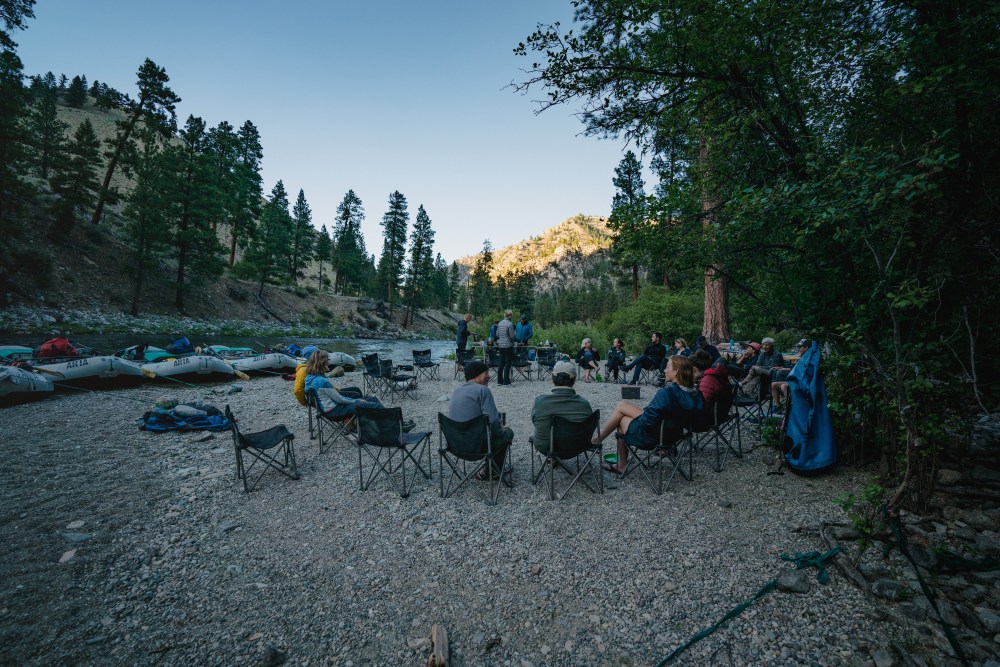
Coffee is ready by 6:30 or 7 and breakfast follows soon after.
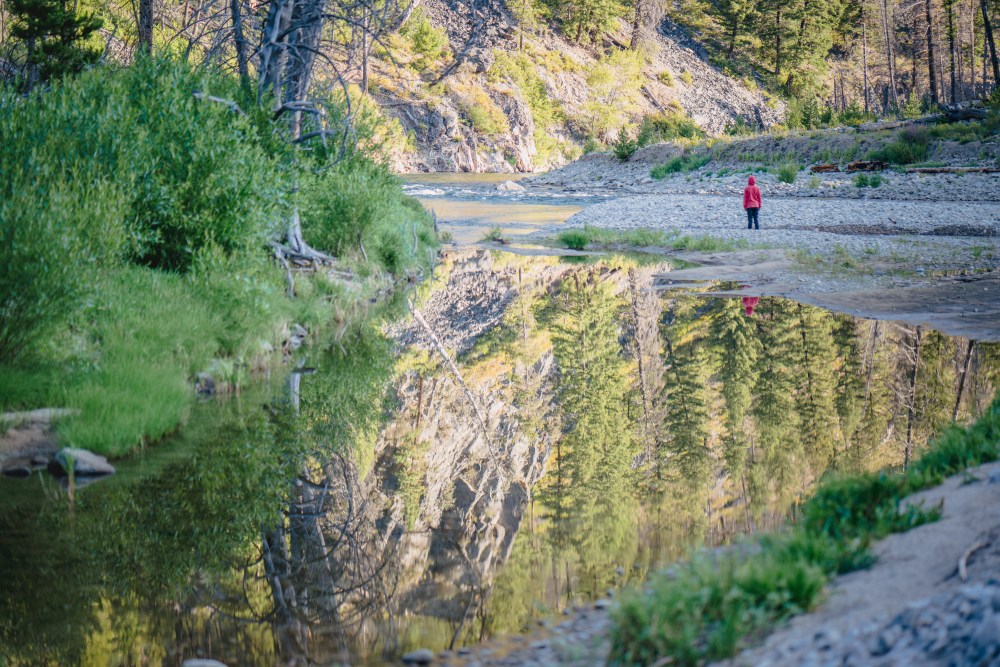
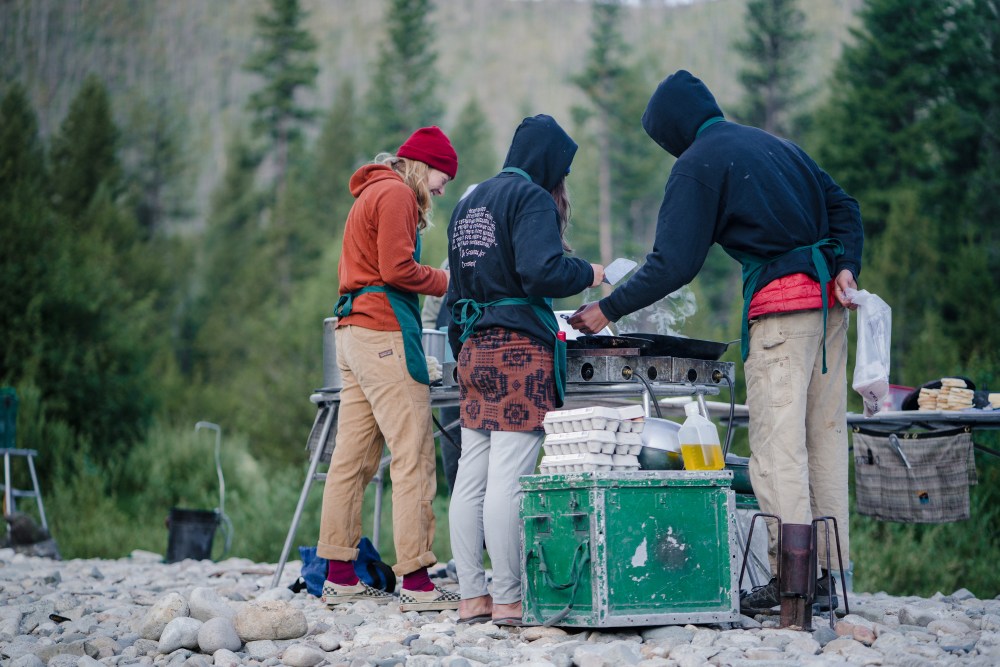
Breakfast once again pampers. Eggs. Pancakes. French toast. Bagels. There is always fruit and yogurt as well.
Ultimately everything needs to get repacked and loaded back onto the boats. By the end, you’re very efficient at repacking everything back into the blue and white dry bags.
8. The end of the trip
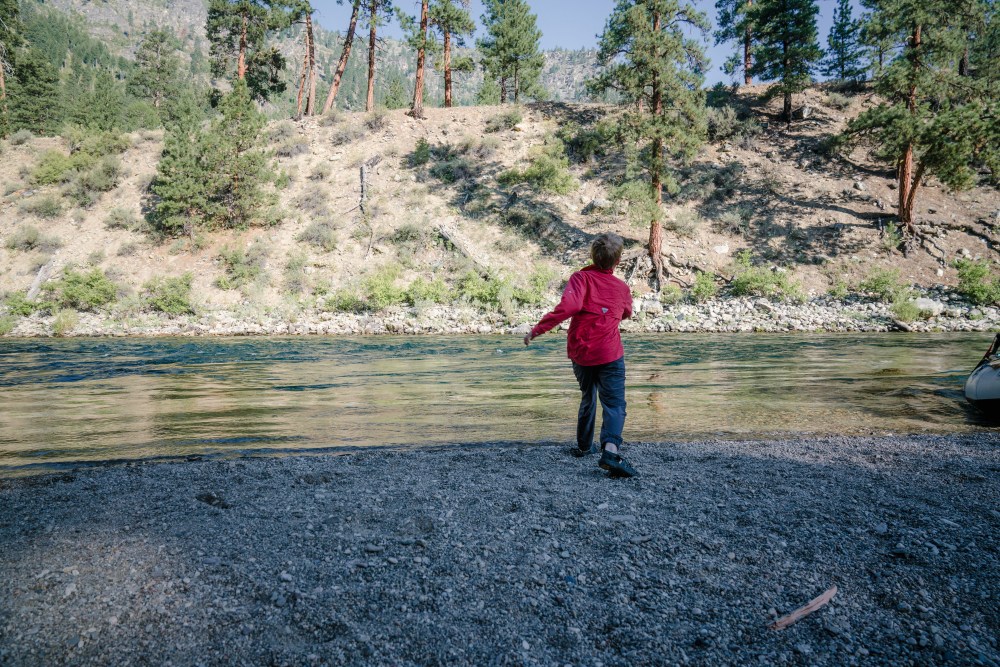
One day, and in this case, quite suddenly, it’s the final day of the trip. The last time you’re packing up the blue bags. Final time collapsing the tent and stuffing sleeping bags.
The good news is that’s bagels for breakfast – with last night’s salmon mixed in with cream cheese. You make your lunch sandwich at breakfast. What are we going to do for dinner?
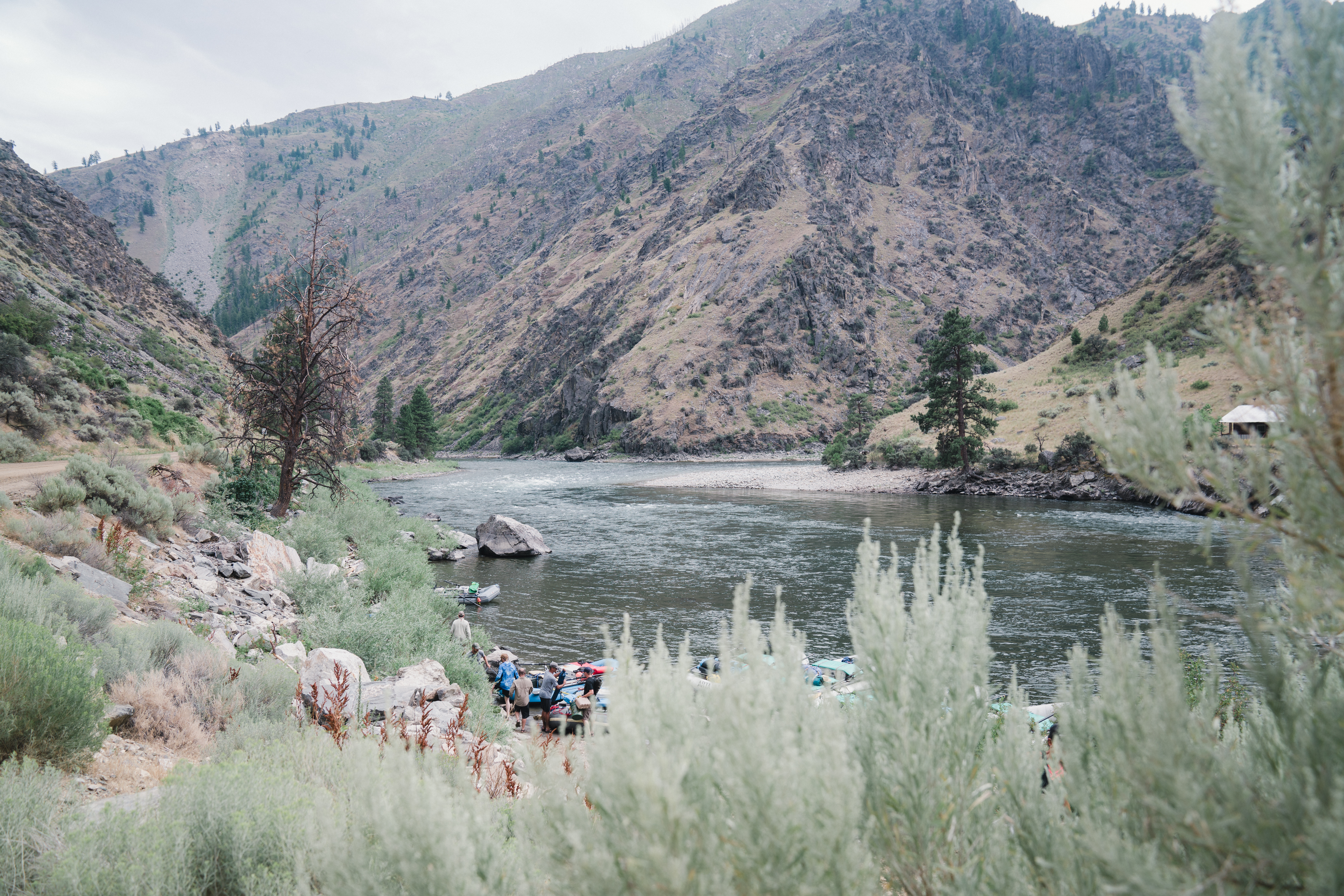
Our final day on the river is punctuated by some excitement with a flipped Duckie, a broken oar, a passenger overboard and many big rapids. There are big horn sheep to watch. Final vistas to memorize. Poison ivy to avoid. It all starts to feel urgent.
And then the confluence with the Main Salmon and the take out.
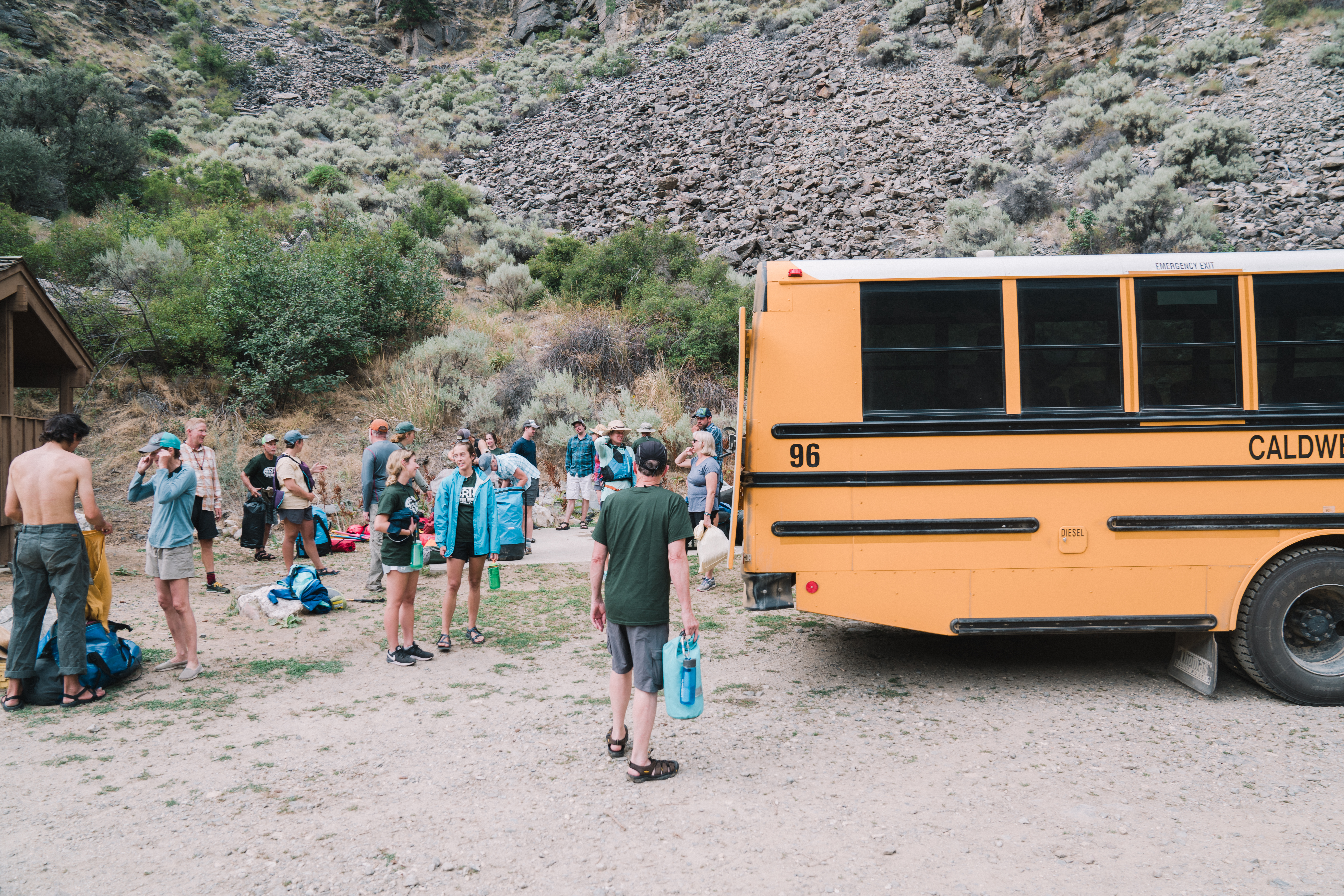
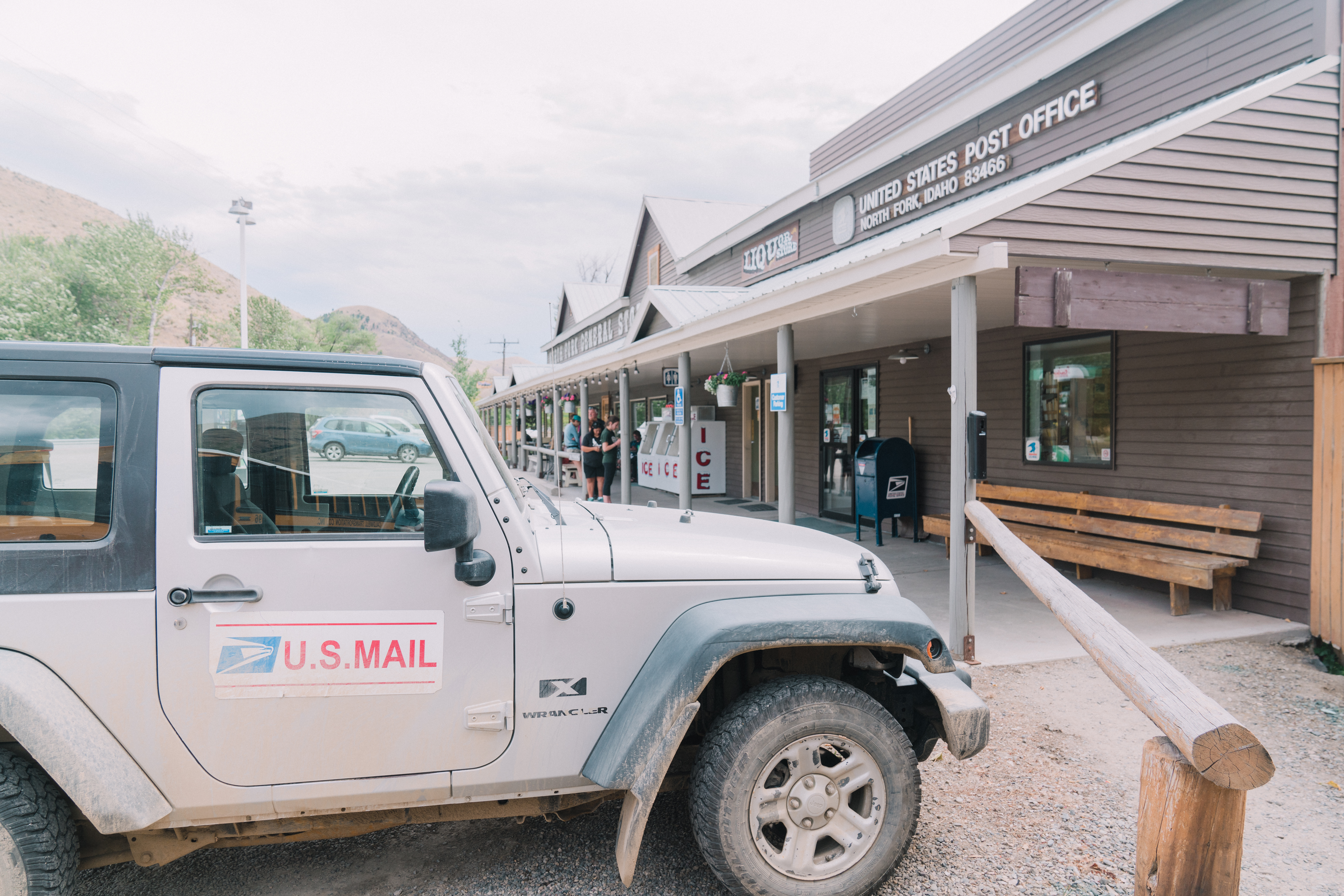
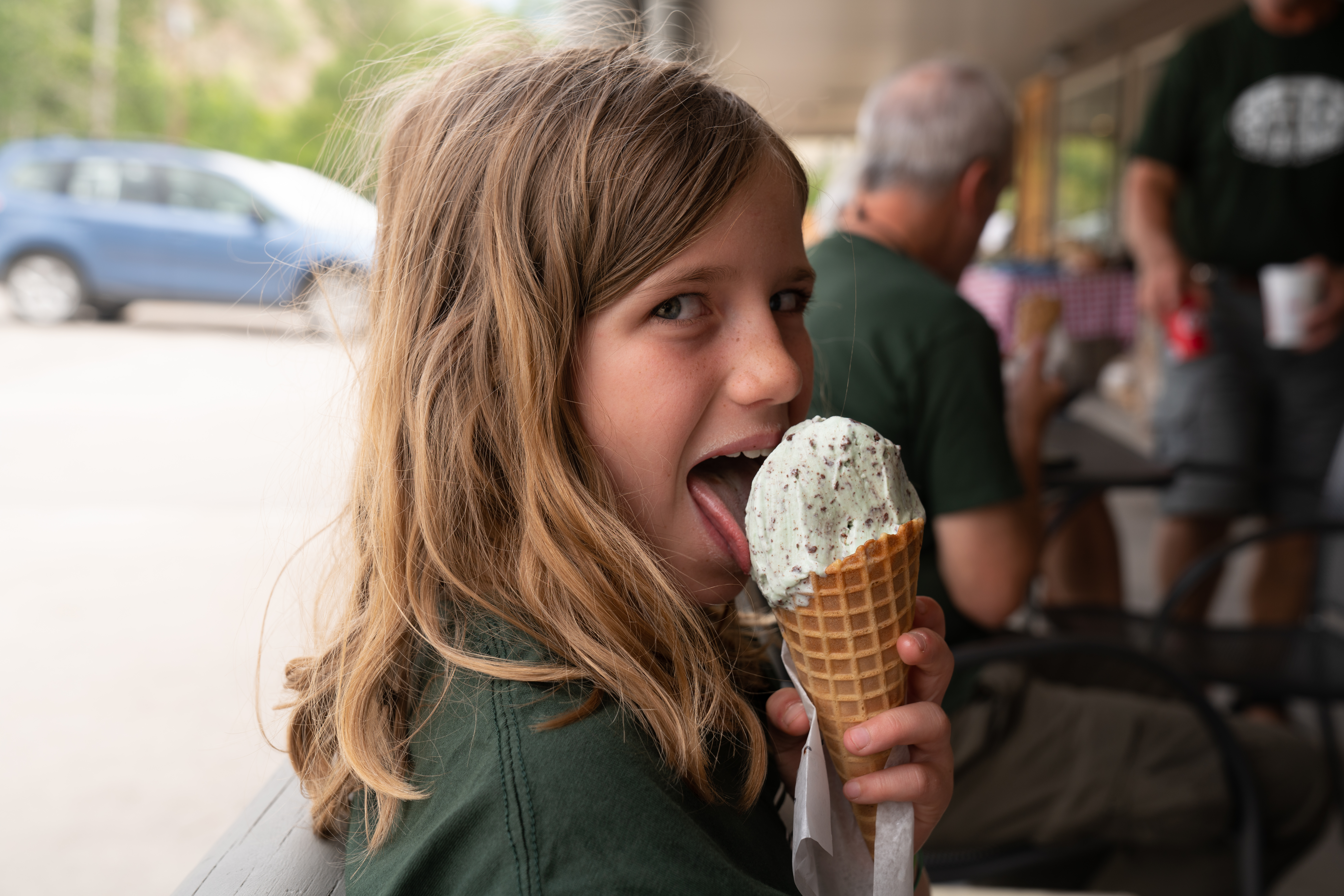
The bus to Stanley is a rapid reintroduction to the world. First an ice cream stop (with real bathrooms!). Then cell service. Then larger towns. Everything starts to move quickly – quickly like regular life.
9. Why rafting, why ARTA?
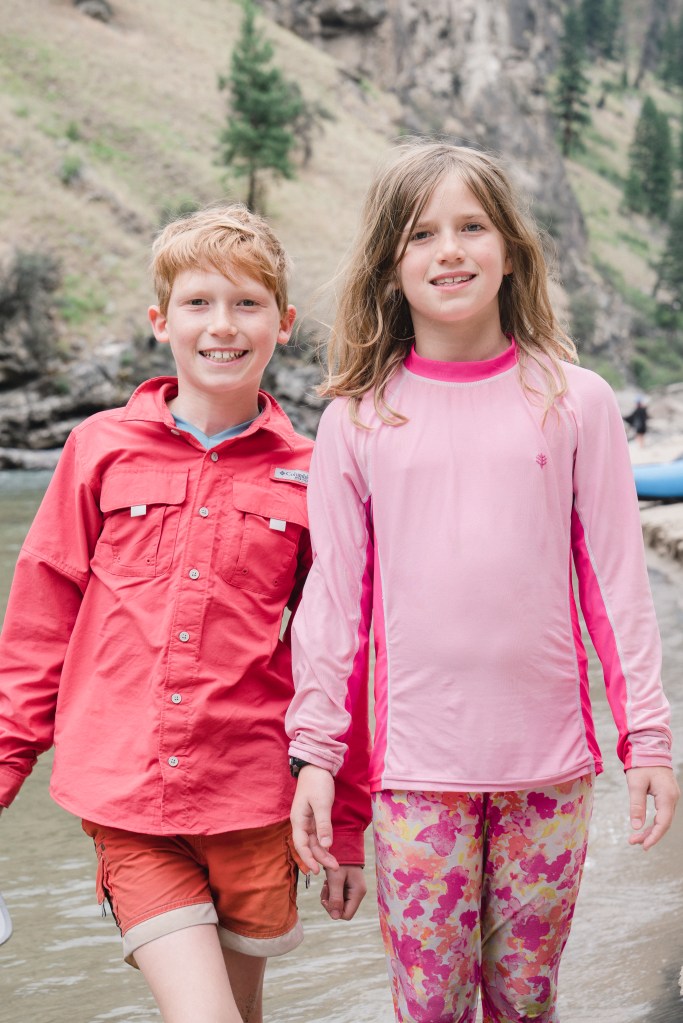
Why rafting. One only knows what one knows. I rafted a few times as a kid and thought it would be an easy way to bring my family closer to the west and nature of my childhood. It was all that plus a stress-free way to come together as a family. There are very few decisions to be made on a rafting trip. What boat you are going to go in. Which swimsuit you will wear today. What you will have on your sandwich.
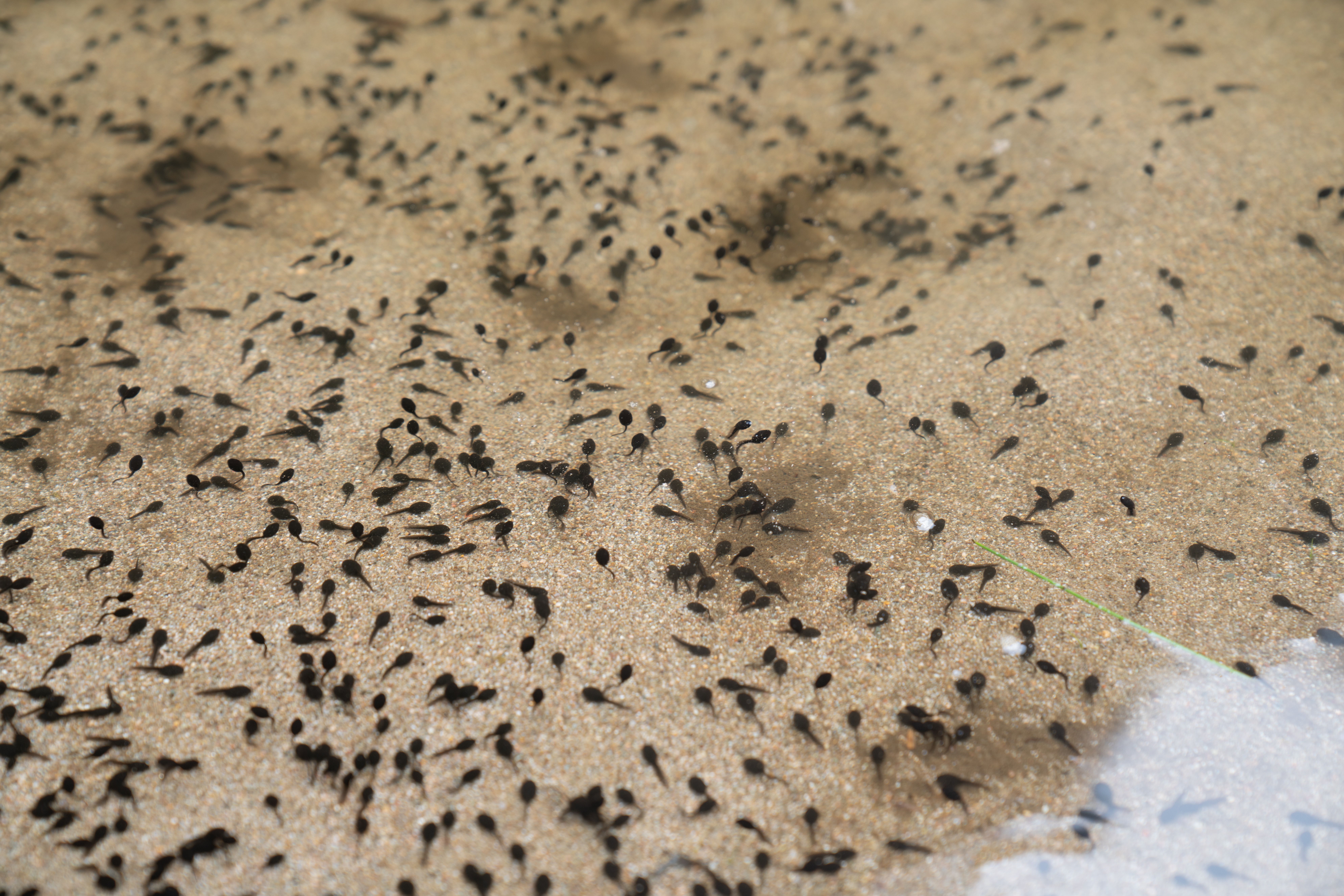
There are unlimited things to do when you’re not rafting. Whether it’s explore the tadpole pond, play in the water, read a book, or go for a hike. When you are rafting, that’s all you’re doing. At the same time, you’re not taking on all the responsibility of organizing as you would backpacking or camping. No cooking. Few logistics. And with no cell service there is no intrusion from the outside world.
We happened into a rafting trip a few years ago and picked ARTA because of their non-profit status. We have been on the water with another company but ARTA feels like the best fit. Friendly, experienced guides with a deep respect for the river and desire to protect it for generations to come. Laid back. The right level of “glamping”. This post is titled Martins x ARTA – with the “x” being “by”. That’s how it feels – our family in the presence of ARTA. Never the opposite. This is about us.
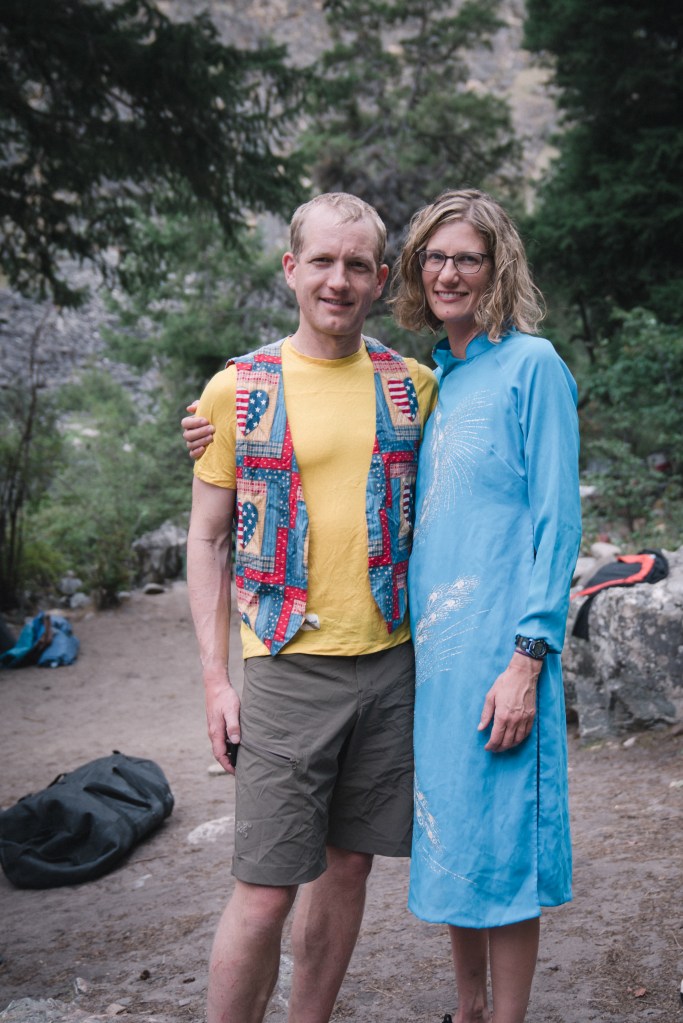
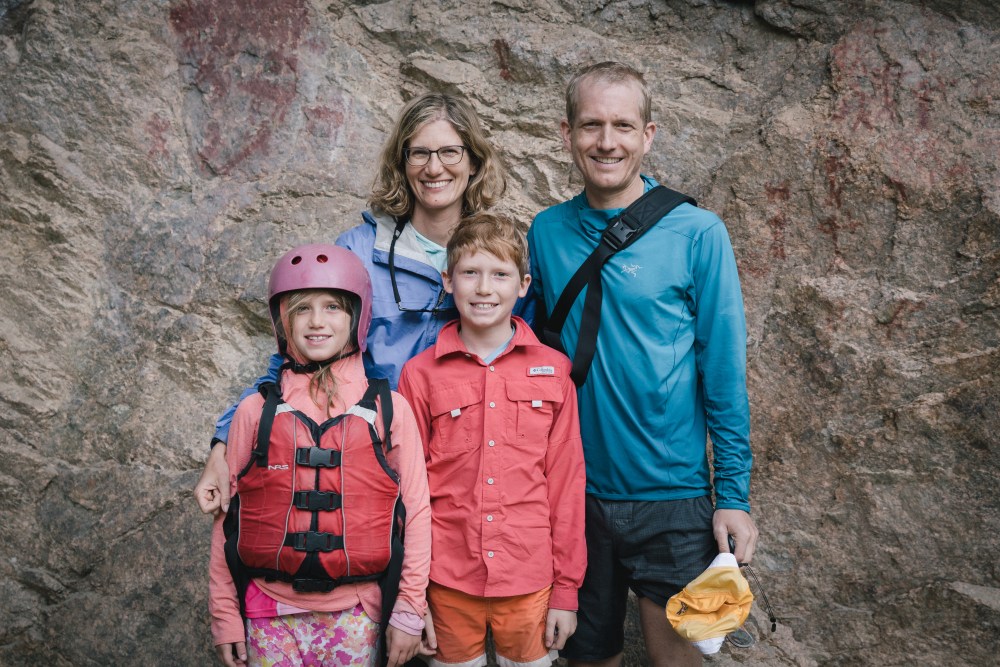
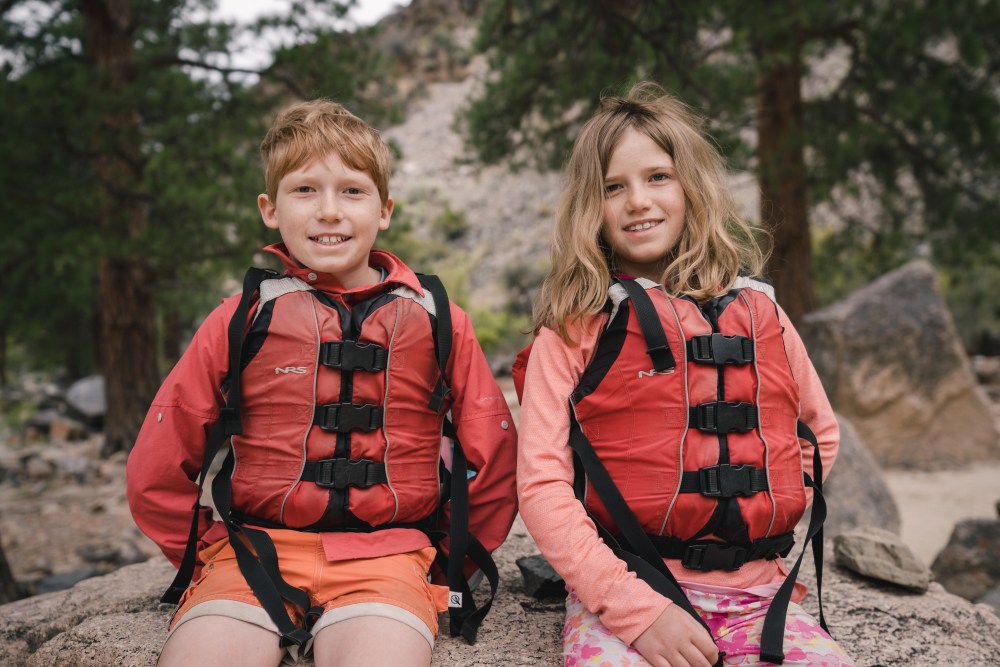
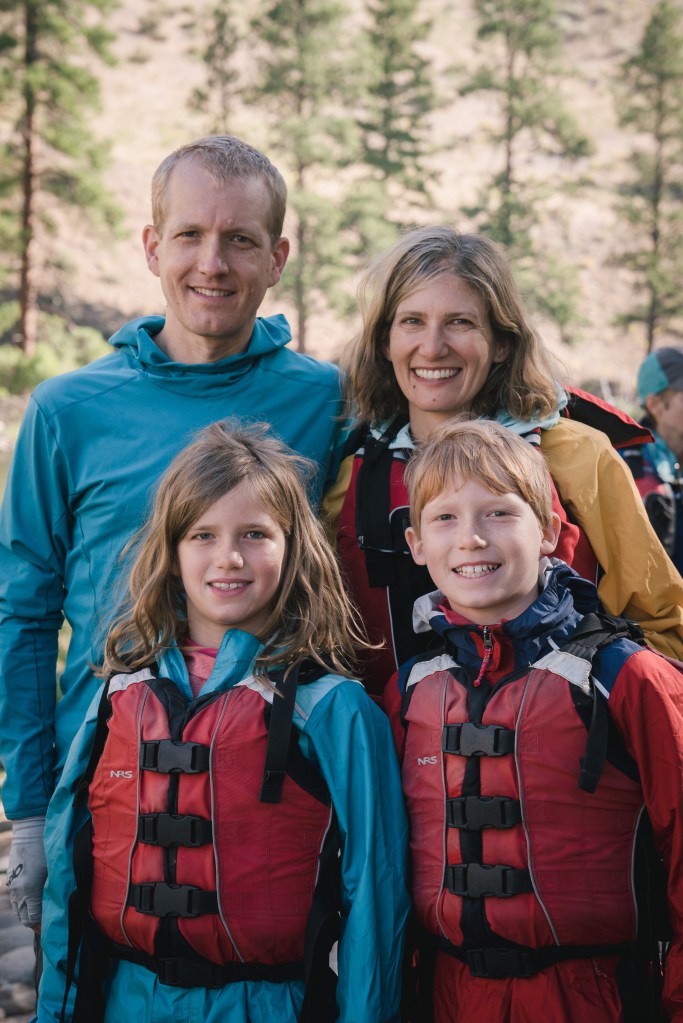
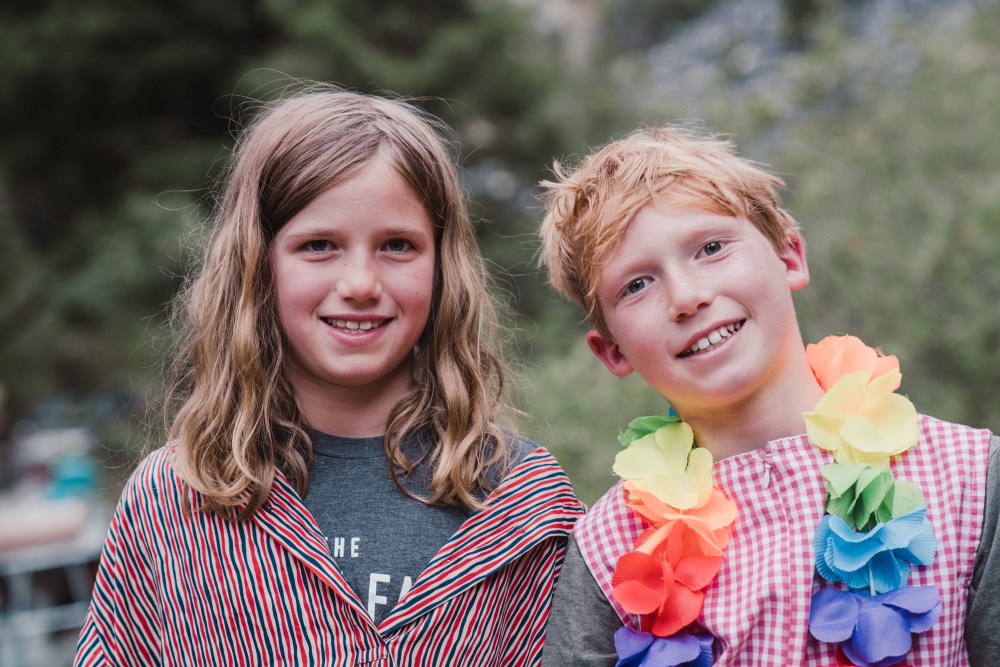
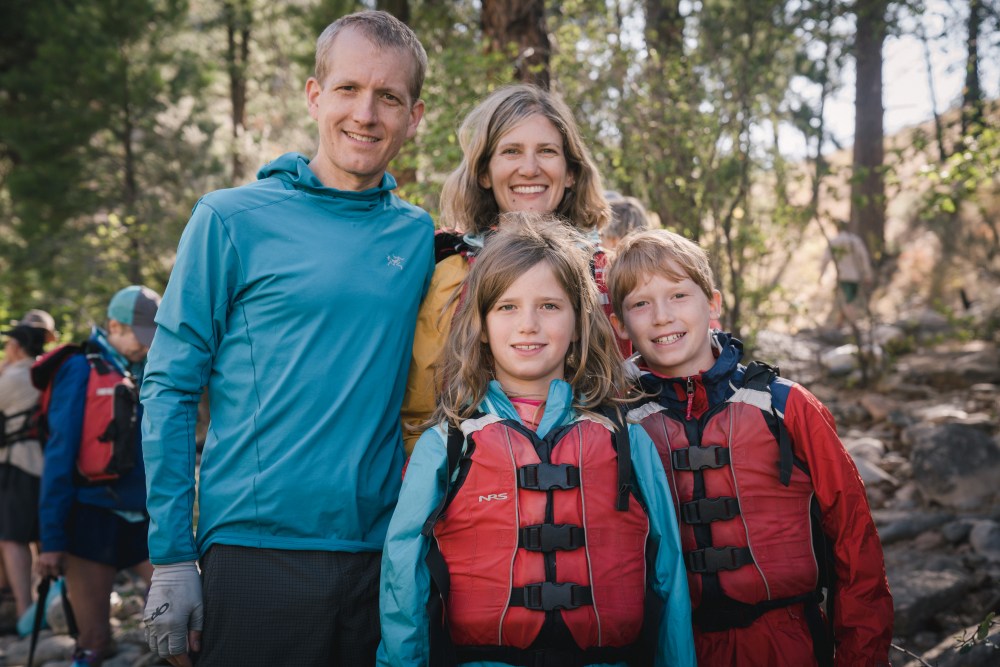
As usual, the trip brought a lot of joy. The days flew by and we’re already counting down to next summer and whatever adventure awaits.
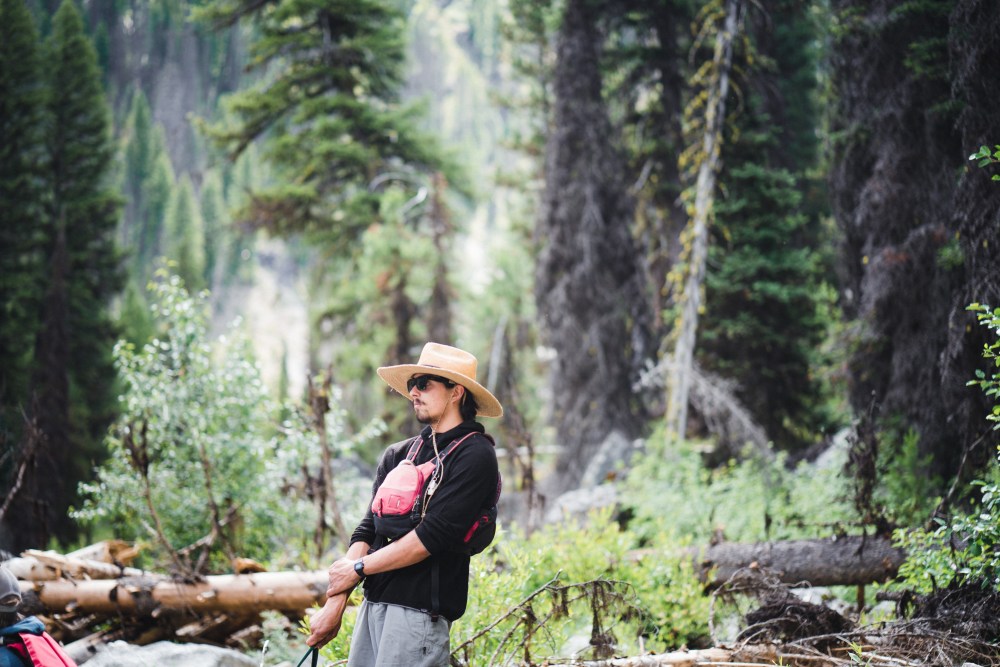
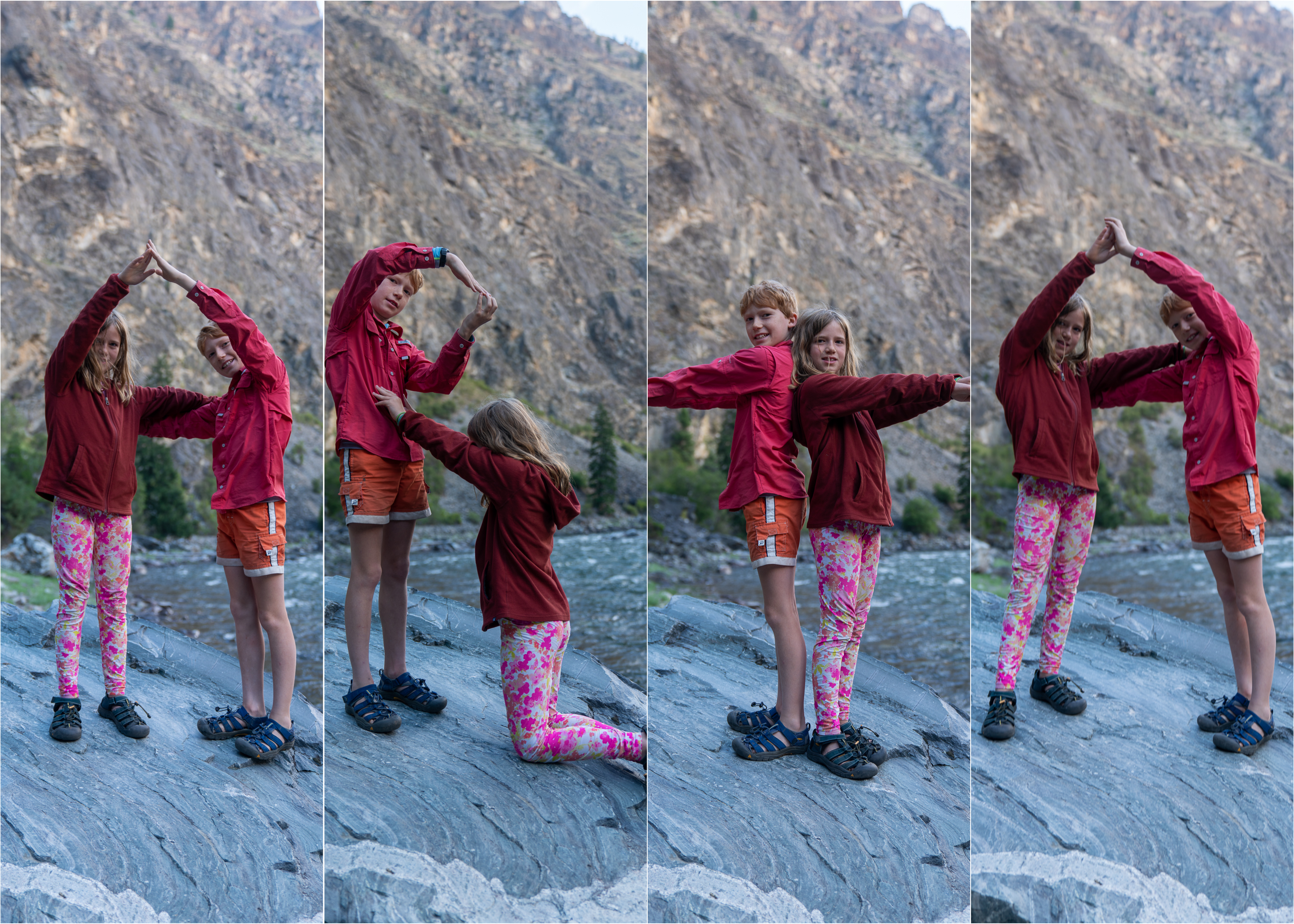
10. After
Stepping out of our busy lives and heading to the wilderness is a challenge and we’ve found it important to tag on more travel around our ARTA trips. We went to the Redwoods before the Rogue, to Moab after the Yampa. This time we head west to Oregon.
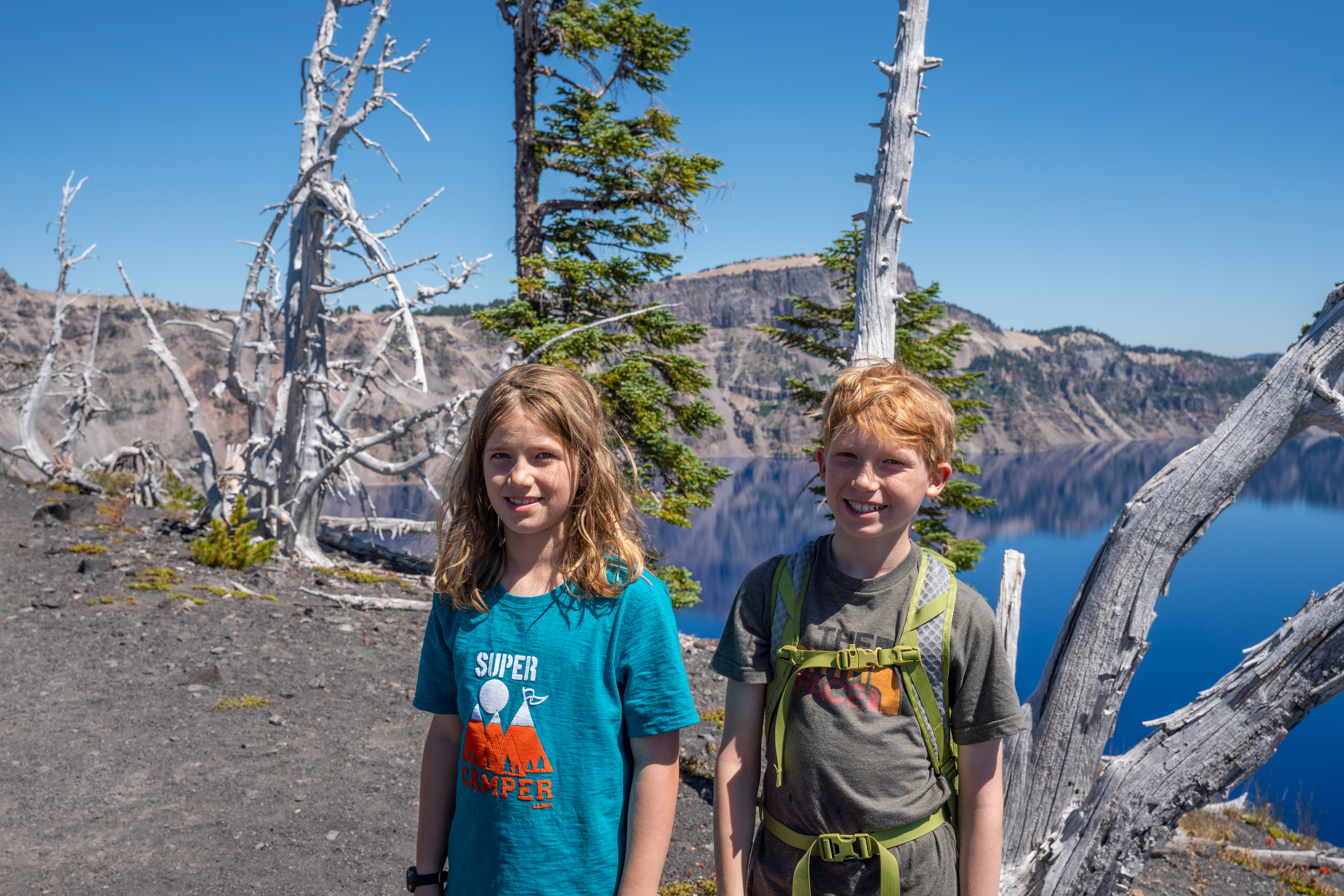
After camping and hiking at Crater Lake, it’s off to Bend.
Finally it’s on to Portland to meet up with extended family and fly home.
These “add ons” to rafting have become something of a tradition as well. A time to linger with the feeling of being away. To time to explore.